中文简体
中文简体 Français
 Deutsch
 italiano
Cotton Blend Fabric Guide: Types, Benefits & How to Choose
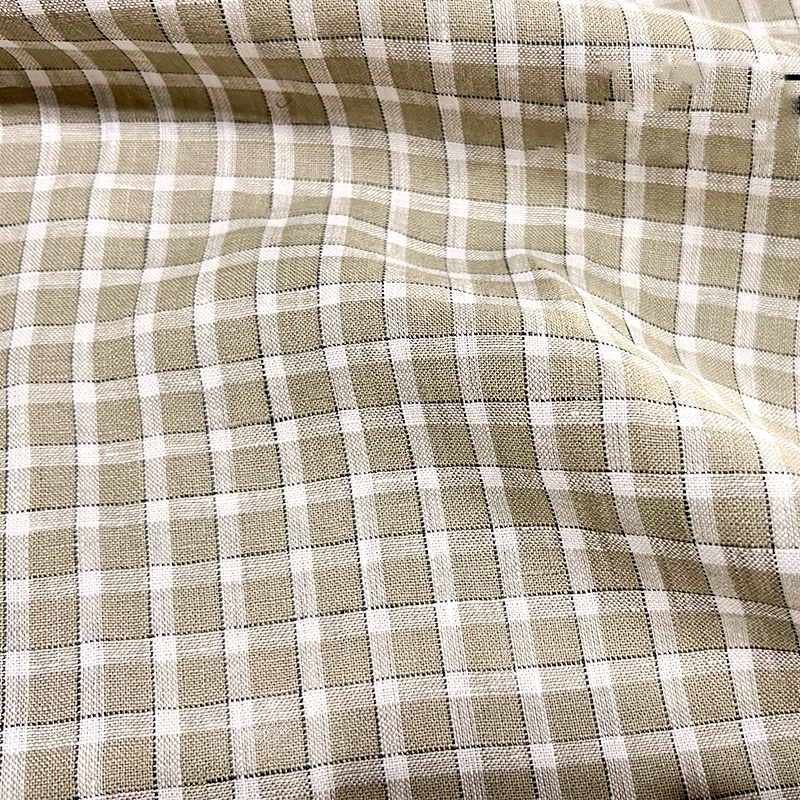
Cotton blend fabric combines cotton fibers with one or more synthetic or natural fibers to create a material that strategically balances the breathability of cotton with the durability, stretch, or wrinkle resistance of its counterpart. The result is almost always a fabric that is more functional than 100% cotton alone. The specific performance of the blend depends entirely on the ratio and the secondary fiber type, but as a general rule, a cotton-polyester blend in a 60/40 or 50/50 ratio offers the best all-around balance of comfort, shape retention, and easy care for everyday apparel.
Content
- 1 Why Pure Cotton Isn't Always the Best Choice
- 2 The Most Common Cotton Blend Types and Their Ratios
- 3 Cotton-Polyester: The Workhorse of the Textile Industry
- 4 Cotton-Spandex and the Stretch Revolution
- 5 Natural Blends: Cotton-Linen and Cotton-Hemp
- 6 Identifying Quality in a Cotton Blend Before You Buy
- 7 Care and Longevity of Cotton Blends
- 8 Environmental Considerations and Microfiber Pollution
Why Pure Cotton Isn't Always the Best Choice
Pure cotton is celebrated for its softness, hypoallergenic properties, and breathability, making it an excellent choice for sensitive skin and hot climates. However, it comes with significant structural weaknesses. Cotton fibers lack natural elasticity, which causes garments to lose their shape with wear. They also absorb moisture readily but release it slowly, meaning a 100% cotton t-shirt can take hours to line-dry and is prone to mildew if left damp. Perhaps most frustrating for consumers, the hydrogen bonds in cellulose break when wet, leading to intense wrinkling that requires ironing.
The introduction of a secondary fiber directly counteracts these flaws. A structural polyester fiber locked inside a cotton yarn prevents the cotton from shrinking and creasing by providing a memory effect, while spandex adds snap-back recovery to knees and elbows that pure cotton simply cannot provide.
The Most Common Cotton Blend Types and Their Ratios
The blend ratio is not arbitrary; it is a precise formula that determines which fiber dominates the fabric's behavior. A fabric that is 90% cotton and 10% polyester will feel, wrinkle, and shrink almost identically to pure cotton, while a 50/50 split marks a distinct shift toward synthetic performance. Understanding these ratios allows you to predict exactly how a garment will behave over years of washing and wearing.
| Blend Composition | Dominant Trait | Best Suited For |
|---|---|---|
| Cotton-Polyester (50/50) | Durable, minimal shrinkage | Work uniforms, budget activewear |
| Cotton-Polyester (80/20) | Soft hand feel, less pilling | Premium sweatshirts, casual tees |
| Cotton-Spandex (95/5) | Stretch with recovery | Skinny jeans, fitted shirts |
| Cotton-Linen (55/45) | Textured breathability | Summer suits, lightweight curtains |
| Cotton-Nylon (70/30) | Abrasion resistance | Tactical pants, work socks |
Cotton-Polyester: The Workhorse of the Textile Industry
The cotton-polyester blend is by far the most widespread, representing a significant share of the global apparel market. The polyester component is a thermoplastic, meaning it can be heat-set. This is what gives a cotton-polyester shirt its wrinkle-free quality after a tumble dry cycle, as the polyester filaments stiffen and hold the fabric in a smooth configuration as they cool. This blend also significantly reduces the energy consumption of the wearer because it eliminates the need for ironing.
However, the trade-off is pilling. The short staple fibers of cotton break during wear, but instead of falling away, they become entangled with the non-biodegradable, high-tenacity polyester strands. This creates the hard little balls of fiber on the garment surface. To mitigate this, manufacturers often use ring-spun cotton with longer staple lengths to minimize broken fiber ends, or chemically singe the fabric surface to remove protruding micro-fibers before they can tangle.
Moisture Management and Breathability Myths
A common misconception is that adding polyester destroys breathability. In reality, a 50/50 blend can be engineered for superior moisture management through capillary action. The hydrophobic polyester fibers do not absorb moisture internally; instead, they wick it along their surface to the outer face of the fabric where it can evaporate. This is why a cotton-polyester t-shirt often dries nearly twice as fast as a 100% cotton garment of the same weight. For heavy sweaters, a 50/50 blend will feel drier against the skin than soaking wet pure cotton.
Cotton-Spandex and the Stretch Revolution
Adding as little as 2% to 5% spandex (elastane) to cotton fundamentally changes the mechanical behavior of the yarn. Pure cotton woven fabric has virtually zero stretch on the straight grain; it tears rather than deforms. The spandex core-spun yarn, where a cotton sheath wraps a spandex filament under tension, allows the fabric to stretch horizontally and then recoil back to its original shape. This is not just about comfort in tight clothing; it is a durability feature. The elasticity prevents the cotton from permanently bagging out at the elbows of shirts and the knees of trousers.
The failure point for this blend is always chlorine bleach and high dryer heat. Spandex is a polyurethane polymer that is aggressively degraded by hypochlorite bleach, causing it to lose its recovery power and break, which appears as white horizontal threads snapping in the waistband of jeans. To preserve the elasticity, cotton-spandex garments must be washed in cold water and never treated with chlorine-based stain removers.
Natural Blends: Cotton-Linen and Cotton-Hemp
Synthetic fibers are not the only option for blending. Combining cotton with bast fibers like linen or hemp creates a fabric that leverages the sustainability and texture of plant-based materials while solving cotton's structural monotony. Pure linen conducts heat away from the body five times faster than cotton but is stiff and creases so deeply that it frays at the fold points. A cotton-linen blend softens the drape considerably, reducing the scratchy hand feel of pure linen while retaining much of the thermal conductivity that makes it invaluable for summer suiting.
Cotton-hemp blends follow a similar philosophy but with a focus on longevity. Hemp fibers are naturally resistant to microbial growth and UV degradation. A 55% hemp and 45% cotton jersey will resist yellowing and thinning after years of sun exposure far better than pure cotton. The aesthetic trade-off is a slubbed, slightly uneven surface texture that softens incrementally with every wash, a characteristic highly sought after in the premium casual wear market.
Identifying Quality in a Cotton Blend Before You Buy
The fiber content label legally required on garments only tells part of the story. A 60% cotton, 40% polyester blend can be luxurious or rough depending on the manufacturing process, not just the ratio. High-quality blends use combed cotton, where short fibers and impurities are physically removed before spinning, reducing the loose fiber ends that cause pilling. The yarn count is another indicator: a higher count (finer yarn) in a blend indicates a denser, smoother weave that will drape better and resist piling for longer.
To assess quality at the point of purchase, perform the "light test" on light-colored fabrics. Hold the fabric up to a bright light source. A tight, uniform weave in a well-made blend will show minimal pinholes of light. Large, inconsistent gaps between yarns indicate a low twist and loose construction that will warp, pill, and lose shape within the first dozen laundry cycles, regardless of how attractive the blend ratio sounds on paper.
Care and Longevity of Cotton Blends
Proper laundering directly extends the life of a blended fabric. The polyester in a cotton-polyester blend softens at approximately 230°F (110°C), but sustained high-heat drying above 150°F can relax the heat-set finish, causing the garment to gradually lose its wrinkle-resistant property. Drying on a medium heat setting and removing the garment while slightly damp preserves the internal tension of the synthetic fibers.
Fabric Softener Contradiction
Liquid fabric softeners and dryer sheets are particularly damaging to cotton-polyester and cotton-spandex blends. These products deposit a waxy cationic surfactant coating on the fibers to reduce static. While this initially feels soft, the coating builds up over time, sealing the fabric surface and trapping body oils and bacteria inside. This is the primary cause of the "perma-stink" odor in performance cotton-blend activewear that does not wash out. A solution of white vinegar used periodically in the rinse cycle strips this coating and restores the moisture-wicking property of the polyester component.
Environmental Considerations and Microfiber Pollution
Cotton-polyester and cotton-nylon blends present a specific end-of-life environmental problem. The cotton component will biodegrade under the right conditions, but the synthetic fibers will not. Even worse, during laundering, the mechanical action loosens and releases microplastic fibers from the polyester component that pass through wastewater treatment plants into waterways. Research indicates that a single load of blended garments can release over 700,000 microscopic synthetic particles. Using a washing bag designed to capture microfibers, like a Guppyfriend, is currently one of the most practical mitigation steps available to the consumer to address the shedding problem inherent to these blends.
 previous post