中文简体
中文简体 Français
 Deutsch
 italiano
Lotus Silk Fabric: Complete Guide to Properties, Cost, and Applications
Lotus silk is produced from the stems of the Nelumbo nucifera lotus plant, and a single scarf can require tens of thousands of stems. It is one of the rarest textiles in the world, with production concentrated in Myanmar, Cambodia, and Vietnam. Consider a brand that wants to launch a "vegan luxury" capsule. Lotus silk fits the aesthetic perfectly, but the sample order alone can cost as much as a small collection's entire fabric budget.
Core conclusion
Lotus silk delivers a genuinely differentiated, plant-based luxury feel with outstanding breathability and hypoallergenic properties. However, its price per meter typically exceeds conventional mulberry silk by 10 to 20 times, and available yardage is limited. Brands should treat it as a niche accent fiber for capsule collections or statement pieces, and confirm that the intended dyeing and finishing route preserves the fiber's natural integrity.
Content
How Lotus Silk Is Made and What Makes It Different
The production process is entirely manual and non-mechanized. Laborers snap lotus stems by hand, reveal fine filaments, and pull them into a continuous thread. A skilled weaver then works the yarn on a simple handloom, producing only a few meters per day. The fiber extraction step is what drives the cost: a single kilogram of lotus silk yarn needs roughly one million lotus stems, and each stem yields only a few centimeters of fiber.
Lotus silk was first woven in Myanmar, where artisans used the fiber for ceremonial garments. Production has since expanded to Cambodia and Vietnam, but the craft remains small-scale and regionally concentrated. The work is often passed down within families, and each lot has slightly different fiber quality because the hands of the weaver determine the yarn's consistency.
Vegan and chemical-free
No silkworms are involved. The fiber is 100% plant-based and is extracted without chemical degumming, which preserves a natural matte hand and earthy tone.
Thermo-regulating
The hollow structure of lotus fibers allows air circulation and moisture absorption, making the fabric cool in hot weather and warm in cooler conditions.
Hypoallergenic and antibacterial
The fiber contains natural compounds that discourage bacterial growth. This makes it a strong choice for sensitive-skin garments and activewear adjacent products.
Zero-waste by design
The lotus is a self-regenerating aquatic crop. After the fibers are removed, the remaining stem material returns to the pond, and no industrial effluent is generated.
To understand where lotus silk sits among other silks, it helps to compare the main types of silk currently available to apparel manufacturers. Lotus silk is not a traditional silkworm product; it belongs to a separate botanical category altogether.
Lotus Silk vs. Conventional Silk: A Practical Comparison
The table below compares average purchasing metrics for lotus silk, mulberry silk, and certified organic cotton. Values reflect industry-quoted ranges and should be used only for initial budgeting, not final sourcing decisions.
Note: Prices vary by weave weight, width, and finishing. Lotus silk costs are based on artisanal production from Myanmar and Cambodia.
For designers who need a more accessible silk with consistent supply, a certified mulberry silk alternative offers comparable drape and breathability with a much larger production volume.
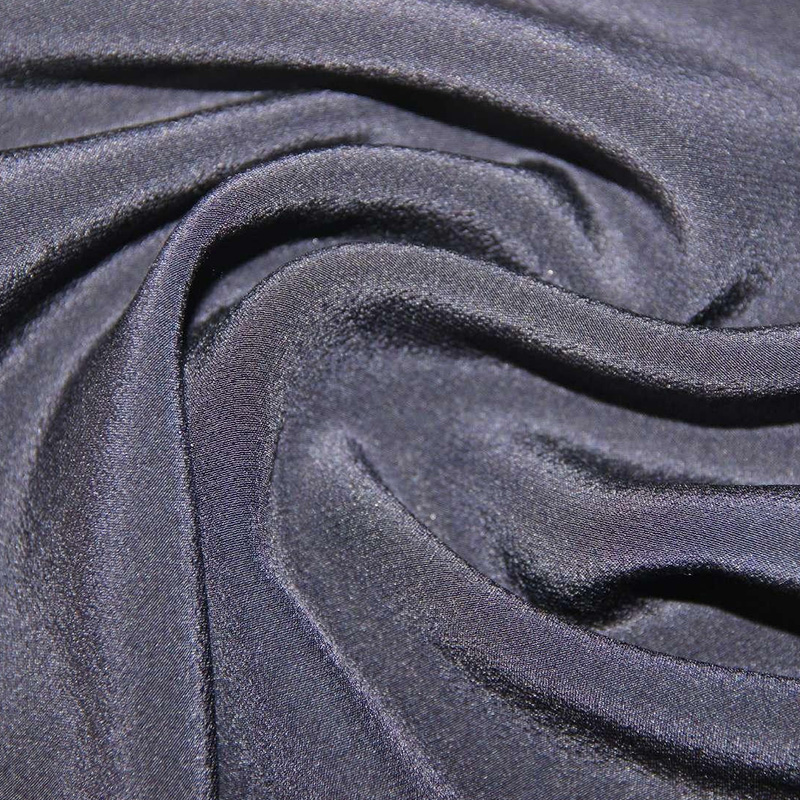
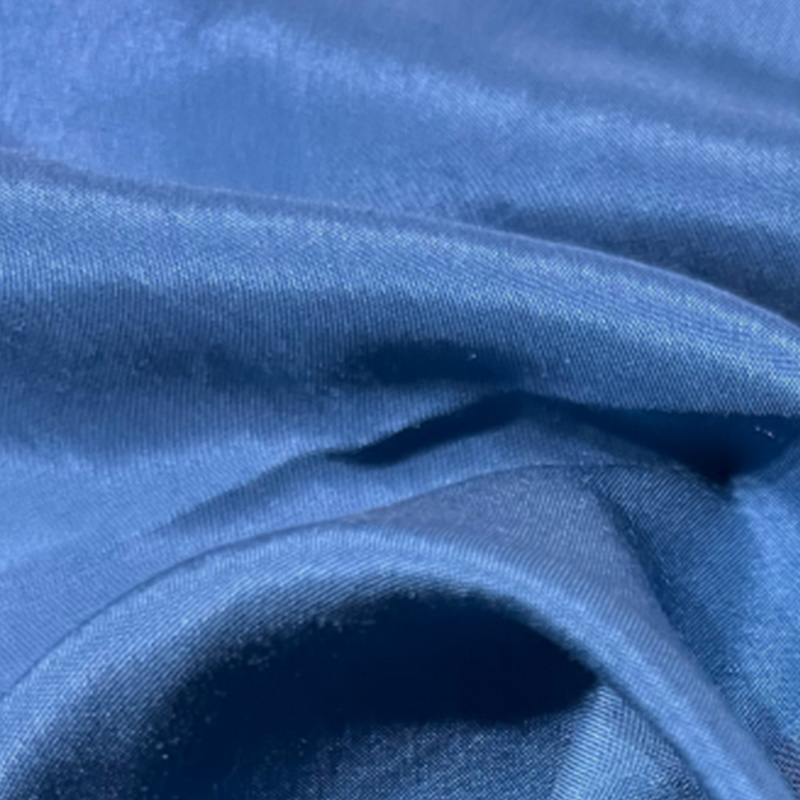
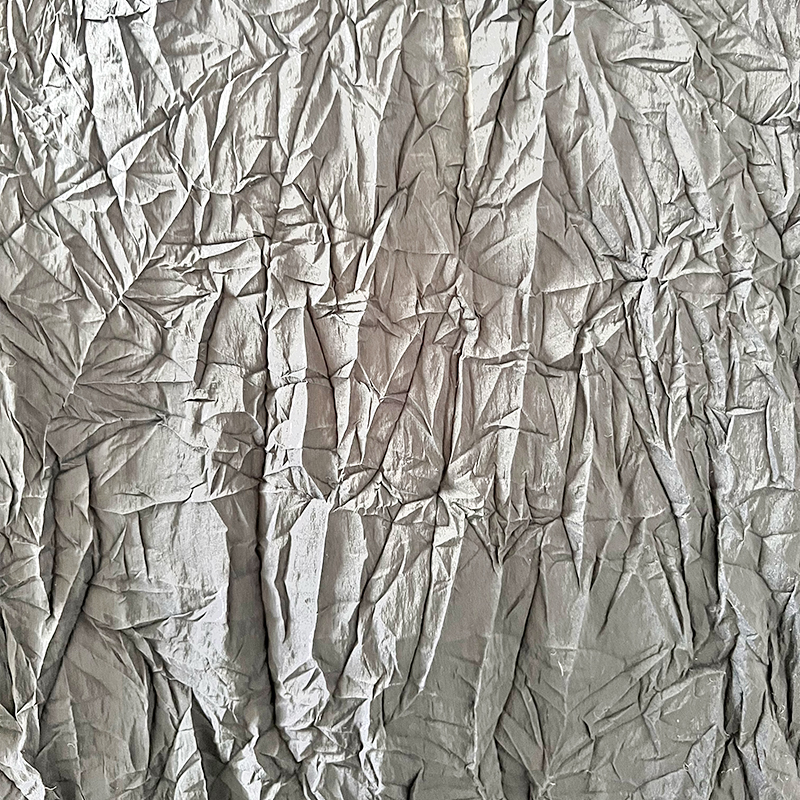
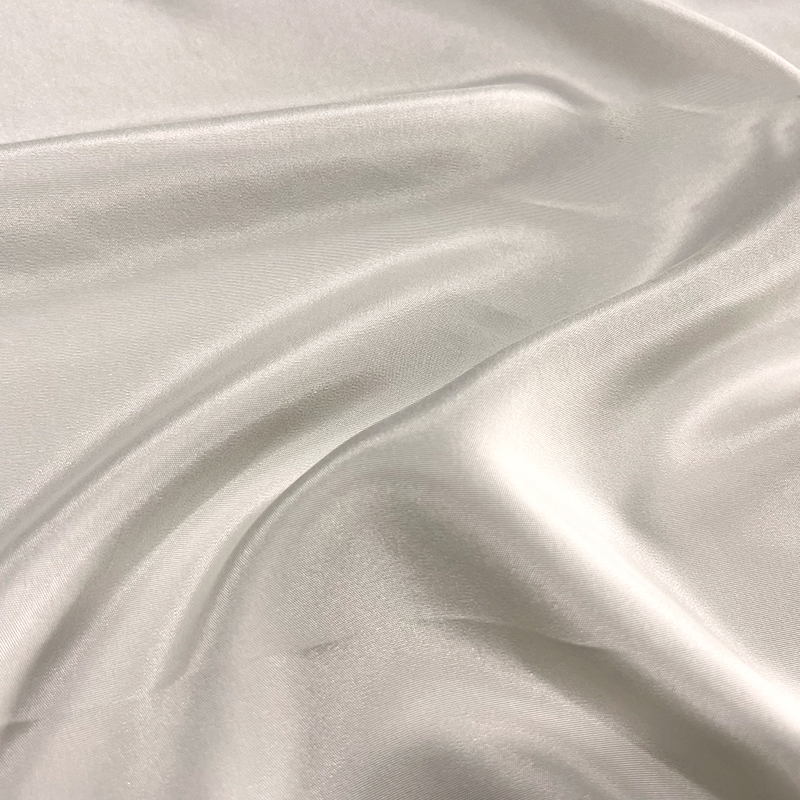 Mulberry Silk Fabric and Blends for Consistent SupplyThis plain mulberry silk offers comparable drape and breathability to premium silks, with a larger production volume and reliable availability, making it a practical choice for designers seeking consistent material.View Product →
The Hidden Cost: Labor Hours and Fiber Yield
The most overlooked dimension of lotus silk is the labor-to-yield ratio. Even compared to high-grade mulberry silk, the manual effort is exceptional. The chart below shows estimated labor hours needed to produce 10 meters of fabric.
Lotus: 120 hrs
Mulberry: 30 hrs
Organic cotton: 8 hrs
This fourfold difference in labor explains why lotus silk fabric is priced in the hundreds of dollars per meter. It also creates a ceiling on production volume: a single weaver may complete only 10 meters of fabric during a full week of work.
Market Segments: Where Lotus Silk Gets Used
Lotus silk is not a fabric for high-volume apparel. Its application split reflects the realities of price and supply. The pie chart below shows an estimated distribution across downstream segments.
Luxury ready-to-wear: 45%
Bridal and eveningwear: 25%
Accessories: 20%
High-end home textiles: 10%
Luxury ready-to-wear uses lotus silk mostly for lightweight tops, shawls, and dresses where the fabric's moisture-wicking behavior is prized. Bridal and eveningwear typically combines lotus silk with a draped underlayer rather than using it alone, because the fiber is not always opaque.
The small share of high-end home textiles reflects a real technical constraint: lotus silk is not suitable for upholstery because its tensile strength is lower than that of flax or hemp. For interiors, it appears primarily in decorative wall panels, throw pillows, or sheer curtains with a protective backing.
Sourcing and Cost: A Five-Step Evaluation for Buyers
If you are a brand or manufacturer considering lotus silk, treat it as a special-order material, not a stock fabric. Use the following step card sequence to make the decision soundly.
Step 1: Define the garment
Choose a low-volume silhouette. A jacket or long dress may need 3–4 meters; a scarf may need only 0.5 meters. The garment cost at $250/meter will determine whether the piece can realistically be priced.
Step 2: Get a sample
Request at least one meter to test drape, color fastness, and shrinkage. Lotus silk has a natural matte surface, so its response to dyeing differs from mulberry silk.
Step 3: Calculate true cost
Add production disruption, minimum order quantities, and the risk of color misalignment across the few meters you receive. These factors often double the effective cost.
Step 4: Check certifications
Ask for documented origin, fiber purity, and dyeing compliance. If your brand markets to Western consumers, an accepted certification like GOTS or Bluesign on the finished item is a strong sales asset.
Step 5: Compare alternatives
If the pricing does not work, evaluate certified organic fabric as a fallback. It gives you a similar sustainable narrative without the artisanal price premium.
When budget and consistent supply are more important than rarity, organic options provide a dependable route while keeping the sustainability message intact.
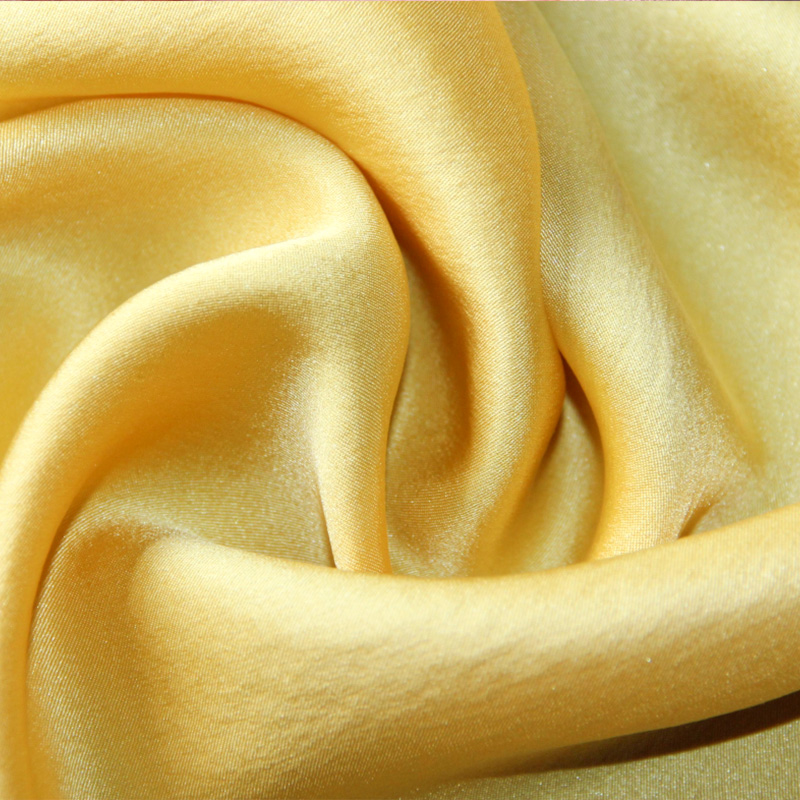
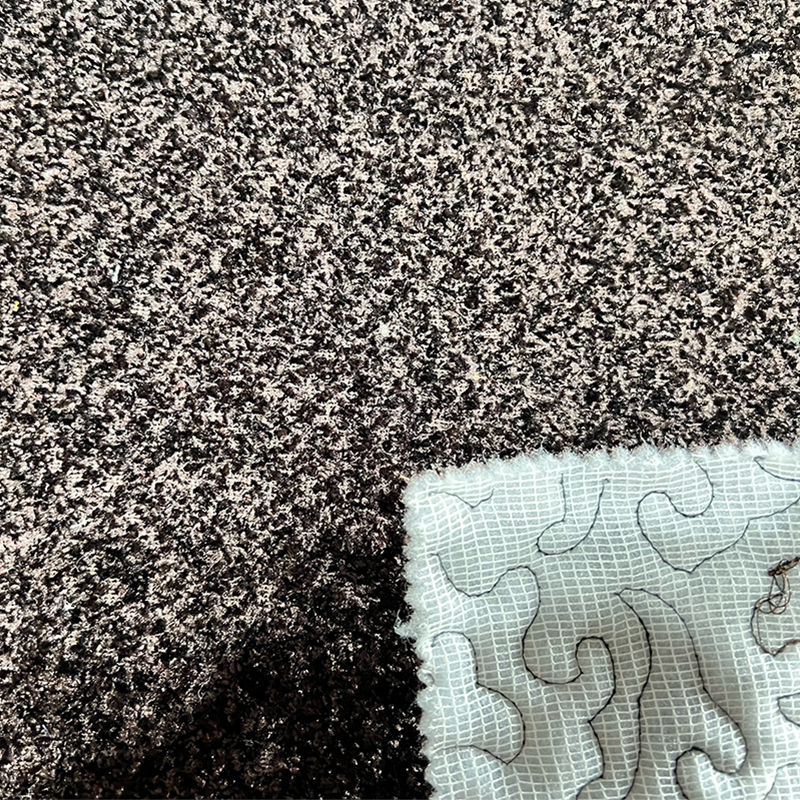
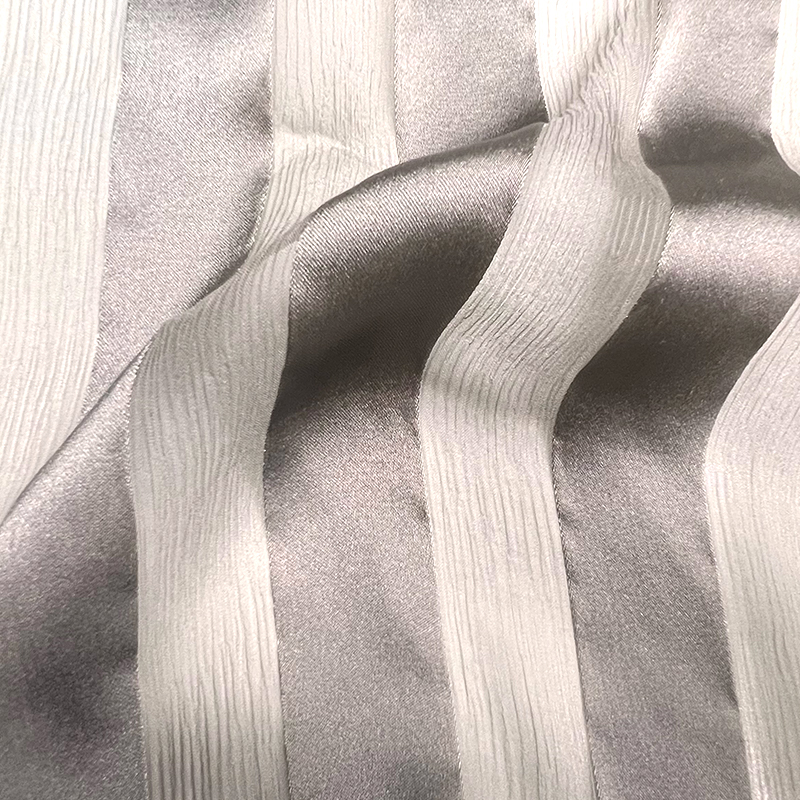 Organic Fabric for Sustainable ProductionOrganic fabric provides a dependable option when budget and consistent supply matter more than rarity, while supporting sustainability goals without sacrificing quality.View Product →
Care, Compliance, and Long-Term Use
Lotus silk requires careful handling from the cutting table to the final consumer. In production planning, communicate these care rules to the pattern room and include them on the care label.
- Hand wash in cold water or dry clean only. Machine washing causes felting and fiber breakage.
- Avoid chlorinated detergents and bleach; they degrade the plant fibre's surface.
- Dry flat and keep it away from direct sunlight, which accelerates fading.
- Store rolled on a tube rather than creased. Sharp folds can permanently crush the fibers.
Color is another consideration. Lotus silk absorbs natural dyes well but has limited colorfastness for deep, saturated shades. Blue and black tones are particularly difficult to stabilize on the plant fibre. If your collection needs precise brand colors, test the dyed sample under salon and daylight conditions. If the color shifts after two or three washes, you may need a certified dyeing partner or a different fabric.
From an environmental compliance standpoint, lotus silk's production is inherently low-impact, but this does not automatically satisfy every consumer label requirement. Confirm whether the dyeing process uses certified dyestuffs and whether any finishing chemistry is applied.
For similar sustainable alternatives, plant-dyeing fabric offers an organic color aesthetic with documented compliance pathways.
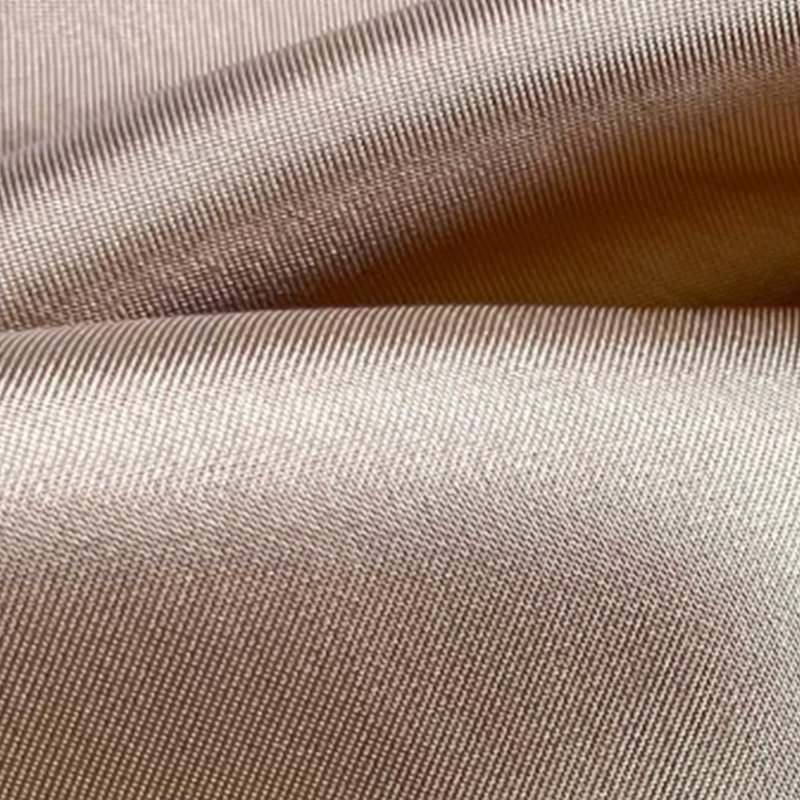
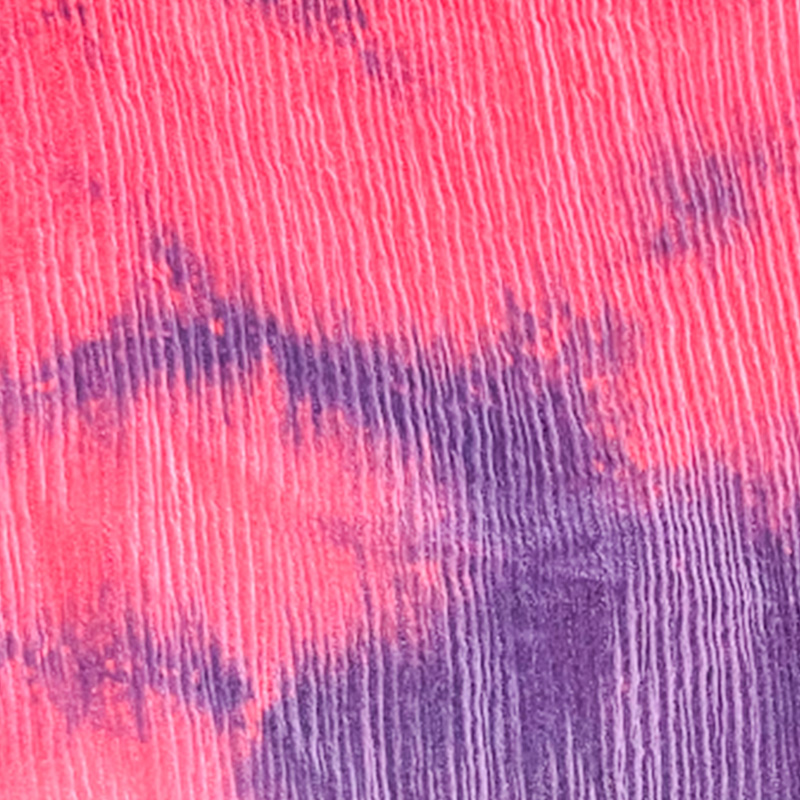
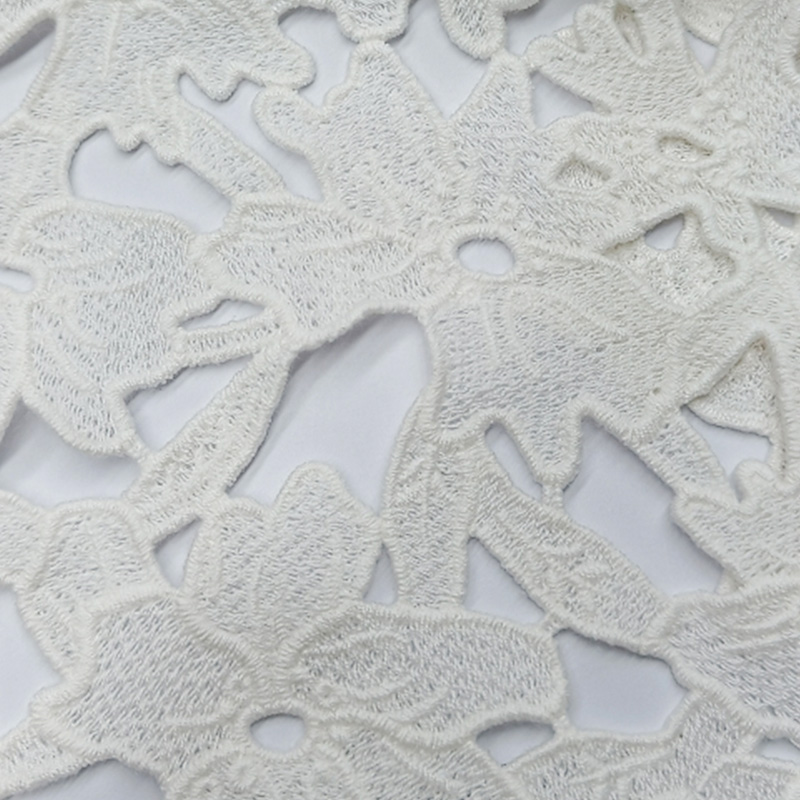
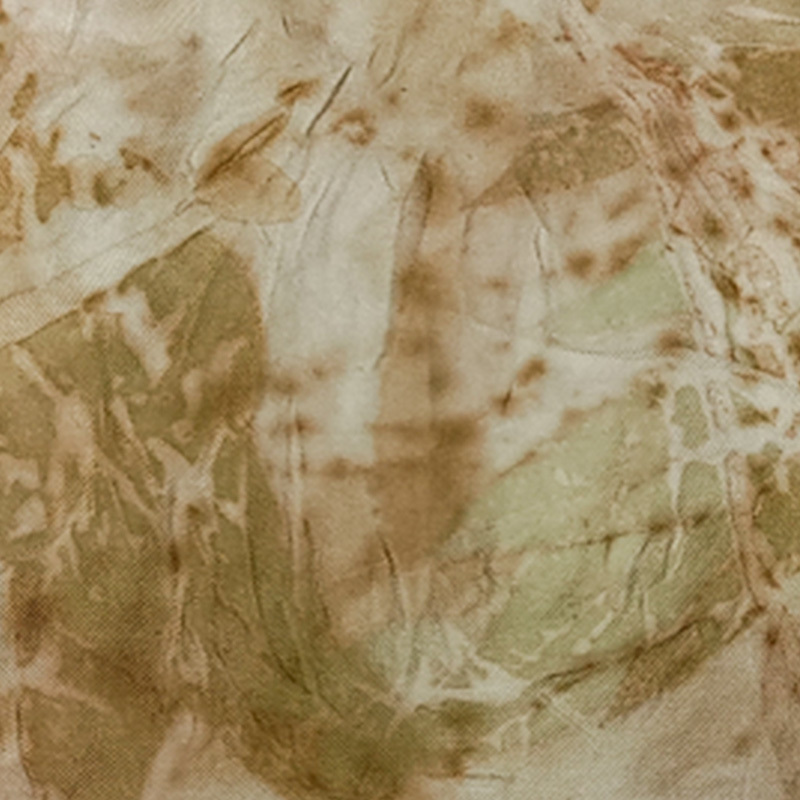 Plant-Dyed Fabric with Natural Color AestheticPlant-dyed fabric offers an organic color aesthetic with documented compliance pathways, serving as a sustainable alternative for collections that value eco-friendly finishes.View Product →
To keep any silk-based collection performing well, review silk blend care and storage guidance before committing to production.
 previous post