中文简体
中文简体 Français
 Deutsch
 italiano
Tusser Silk Fabric: Properties, Benefits, and Sourcing Guide for Designers
A fabric developer at a European fashion brand opens a sample box from a Suzhou mill and finds a swatch labelled “tusser silk.” The first question is always the same: is this actually silk? It is. Tusser silk, also spelled tussah, comes from wild silkworms in the Antheraea genus. It is less glossy than mulberry silk, yet it is stronger, visibly more textured, and noticeably more affordable. For brands and factories that need a genuine natural-fibre story without the high cost of reeled mulberry silk, tusser silk has become one of the most practical materials in the silk-blend segment.
Bottom line: Tusser silk is wild silk with a natural tan-to-brown colour and an irregular, slubby surface. Because the moth breaks the cocoon, the fibre is usually spun instead of reeled, which lowers cost and gives the fabric a matte, earthy character. For B2B buyers, it is a dependable way to add real silk content to mid-priced fashion lines without sacrificing strength.
Content
- 1 What Is Tusser Silk and What Makes It Different?
- 2 Tusser Silk vs Mulberry Silk: How the Numbers Compare
- 3 Hidden Performance Indicators That Change the Buying Decision
- 4 Where Tusser Silk Is Used: Industry Application Distribution
- 5 How to Source Tusser Silk: A Five-Step Buying Guide
- 6 Care, Maintenance, and Compliance for Tusser Silk Garments
What Is Tusser Silk and What Makes It Different?
Tusser silk is produced by silkworms that feed on oak, arjun, sal, and ber leaves rather than cultivated mulberry leaves. The larvae are raised outdoors or semi-wild, and the moth is allowed to emerge before the cocoon is processed. This breaks the continuous filament into shorter lengths, so tusser silk is typically spun into yarn. In practical terms, that single biological detail explains most of the fabric’s commercial behaviour.
Wild origin
Antheraea mylitta and Antheraea pernyi cocoons yield a fibre with a ribbon-like cross-section and fine striations, unlike the triangular cross-section of mulberry silk.
Signature texture
The natural gum leaves a honey, tan, or light brown colour that resists bleaching. The slubby, slightly dry surface is the fabric’s identifying feature.
Strength and breathability
Tusser fibres are thicker and rank higher in breaking strength than mulberry filament, while retaining silk’s natural breathability and moisture absorption.
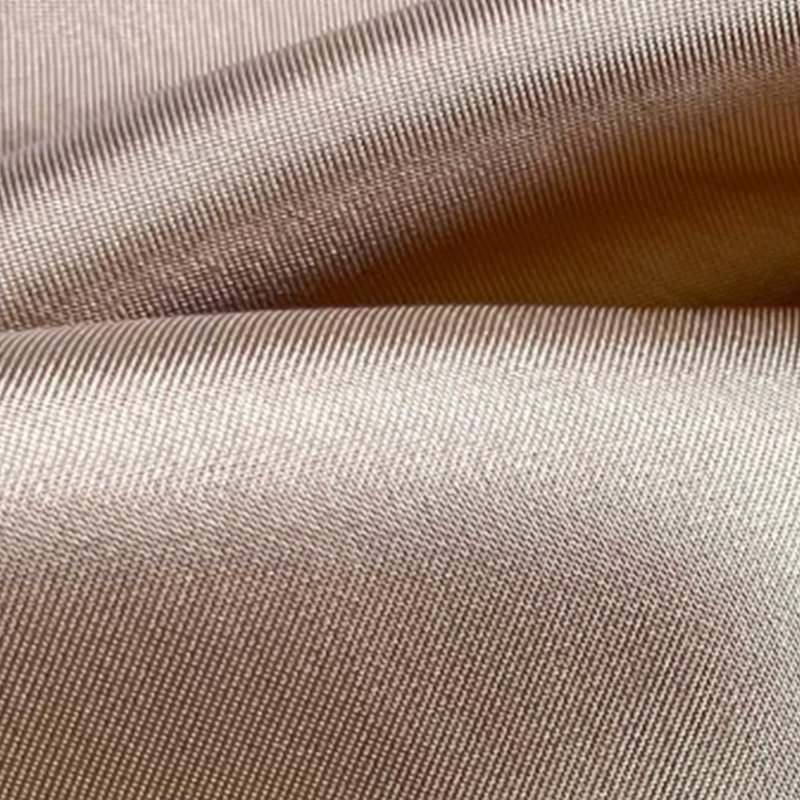
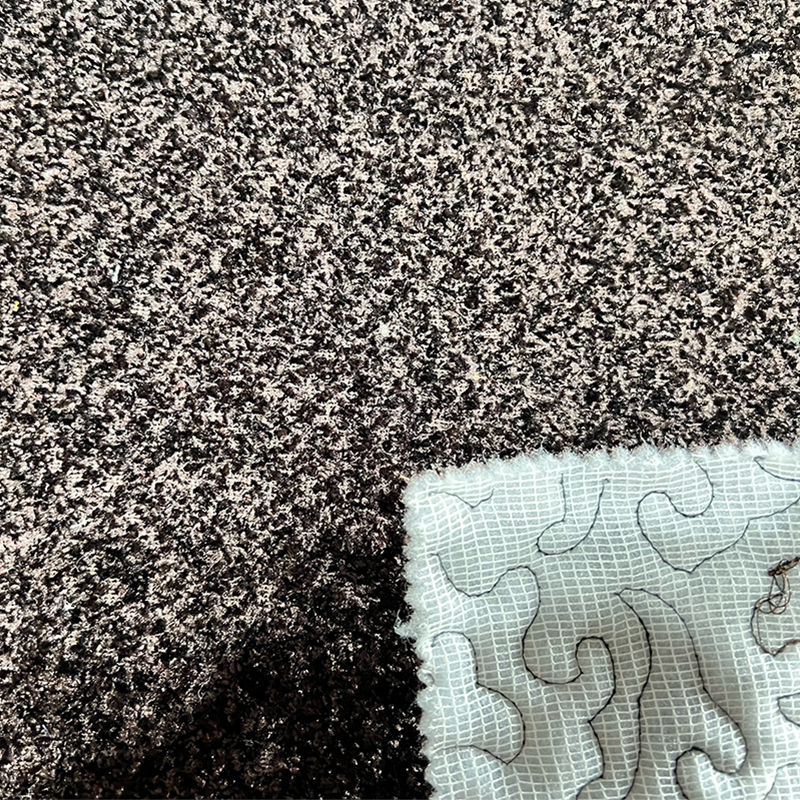
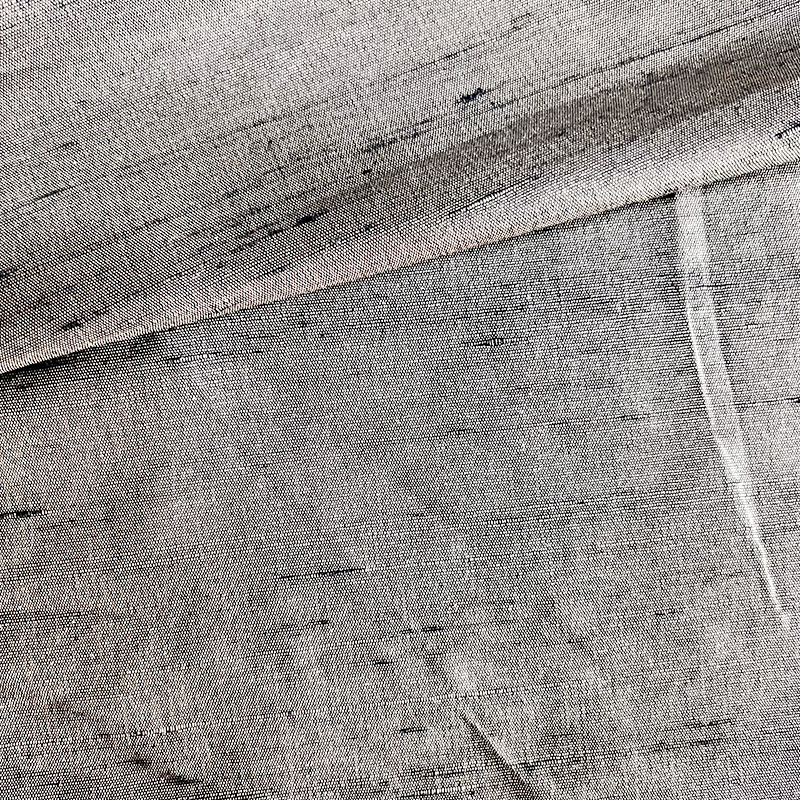 Tussah Silk Fabric with Natural Slub Texture from Wangu SilkThis wild silk option offers a thicker, stronger fiber with a raw, slubby surface. It suits buyers comparing tusser against mulberry silk for breathable, natural-looking textile applications.View Product →
Tusser Silk vs Mulberry Silk: How the Numbers Compare
Buyers rarely choose between tusser and mulberry silk on feel alone. The decision usually comes down to a comparison sheet. The table below summarises the material facts that matter in fabric purchasing.
| Attribute | Tusser silk | Mulberry silk |
|---|---|---|
| Silkworm species | Antheraea mylitta / A. pernyi | Bombyx mori |
| Larval diet | Oak, arjun, sal, ber leaves | Mulberry leaves |
| Filament type | Broken filament, spun yarn | Continuous reeled filament |
| Natural colour | Tan, honey, light brown | White to cream |
| Lustre | Low, matte | High, glossy |
| Hand feel | Dry, crisp, slightly irregular | Soft, smooth, fluid |
| Tensile strength | Higher per unit of yarn | High but finer fibre |
| Price index (mulberry = 100) | 50 – 65 | 100 |
| Typical end uses | Jackets, dresses, furnishings, accessories | Blouses, scarves, luxury evening wear |
What this table means in practice is simple: tusser silk gives a merchandiser a silk-content garment with an intentional rustic look, while mulberry silk remains the choice for maximum lustre and a soft, fluid drape. Many European buyers run both in the same collection, using tusser for tailored pieces and mulberry for blouses and lingerie.
Hidden Performance Indicators That Change the Buying Decision
Swatch cards cannot tell the whole story. The four indicators below are usually buried in technical datasheets, but they determine whether a tusser silk style will survive production and wear. The charts compare tusser silk, mulberry filament silk, and spun silk on a normalised index where mulberry filament silk equals 100.
Tensile strength
Price index
Lustre index
Bars show directional indices, not laboratory results. Actual values vary with yarn count, weave density, and finishing.
When you request a quote for tusser silk, ask the mill for three specific tests: tensile strength per ASTM D5034, shrinkage after laundering per ISO 6330, and colourfastness to light per ISO 105-B02. A supplier that can produce those reports will usually have fewer surprises in bulk production. If you need the matte, textural look of wild silk but prefer a more even surface, spun silk is the closest alternative in the same price neighbourhood.
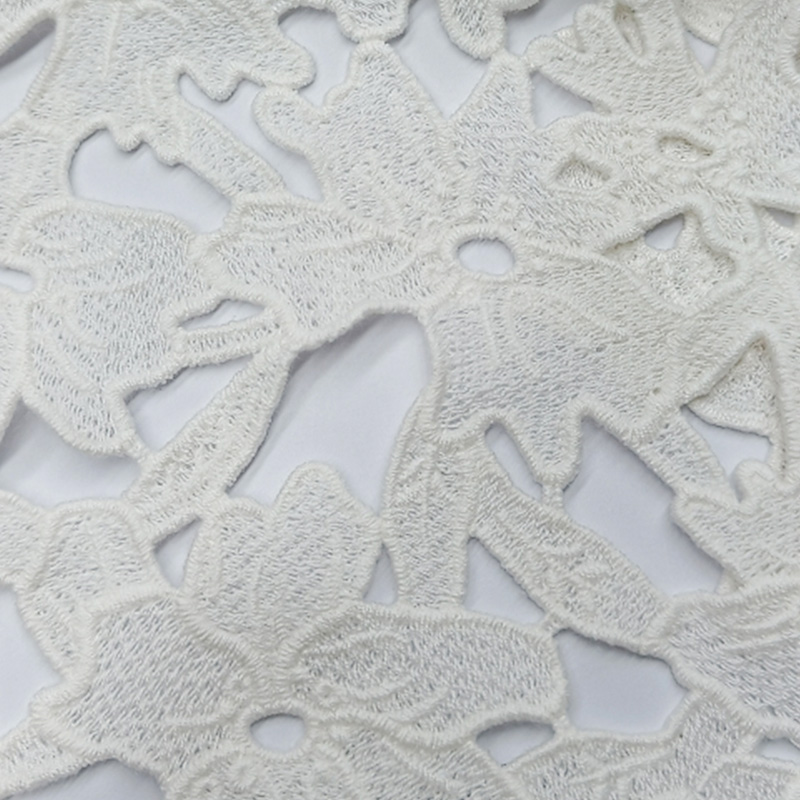
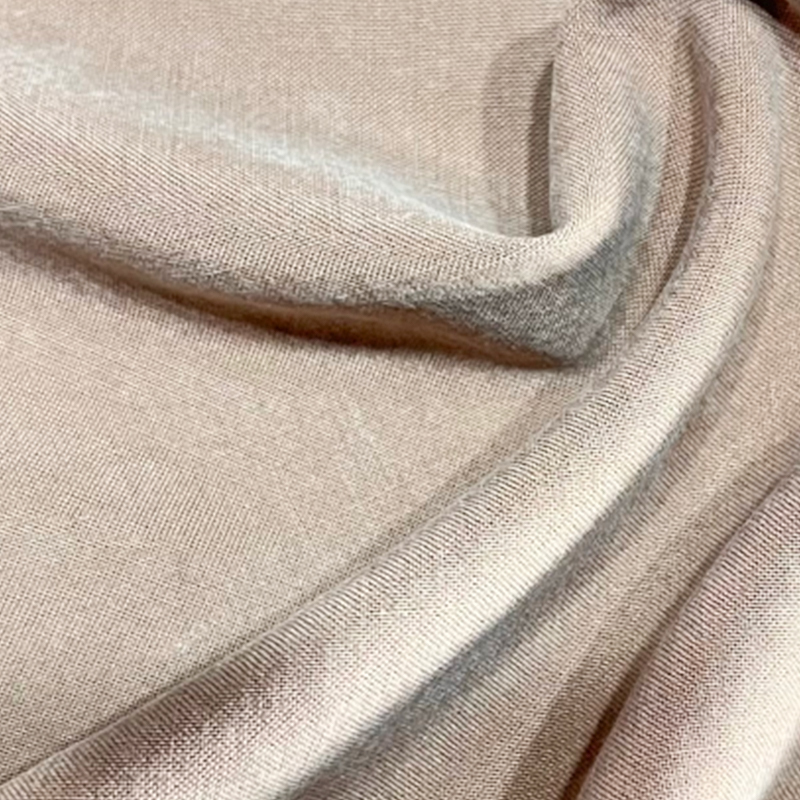 Spun Silk Fabric as a Smoother Alternative to Wild SilkA closer alternative for those who want the matte look of wild silk with a more even surface. Ideal when requesting mills for tensile, shrinkage, and colourfastness test reports.View Product →
Where Tusser Silk Is Used: Industry Application Distribution
Demand for tusser silk is broad across the apparel and home sectors, but it is not evenly distributed. The distribution below reflects typical order patterns seen by mills serving European and North American clients.
- Fashion apparel (dresses, blouses, skirts) — 46%
- Accessories (ties, scarves, shawls) — 22%
- Home textiles (curtains, cushions) — 18%
- Tailored outerwear (jackets, coats) — 14%
- Fashion apparel: the natural slub gives structure to shift dresses and boxy blouses, and the matte tone fits earthy, clean-beauty aesthetics.
- Accessories: the fibre’s strength and moisture absorption make it reliable for ties, pocket squares, and lightweight scarves that see frequent handling.
- Home textiles: tusser silk drapes well in curtains and resists abrasion in cushion covers, giving interiors a tactile, unpolished luxury.
- Tailored outerwear: higher breaking strength allows a lining-free construction, especially when combined with bonded fabric technology for a structured shell.
Designers increasingly pair tusser silk with plant-dyed or recycled fabrics to reinforce a sustainability narrative in the same garment. For a shorter, more casual surface that reads as silk at a distance, noil silk is the closest related option and sits at an even lower price point.
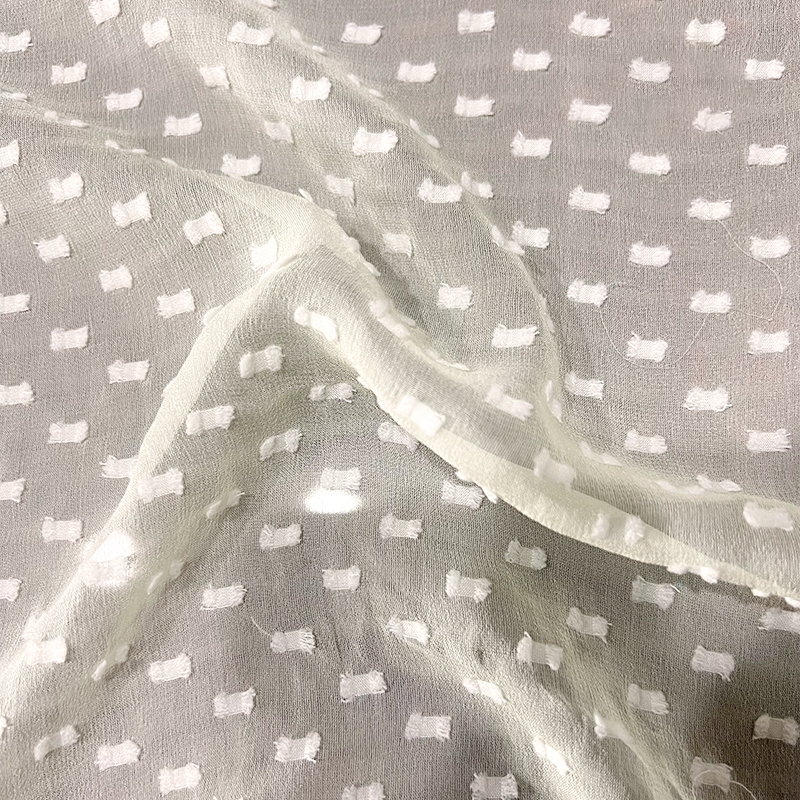
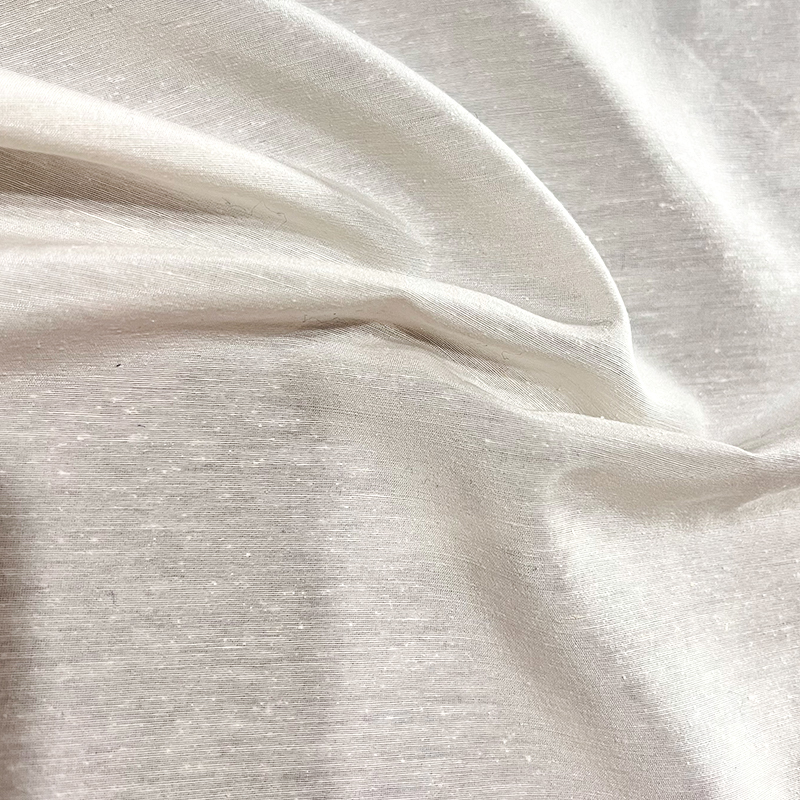 Noil Silk Fabric for Casual, Eco-Conscious Garment DesignA lower-priced silk option with a shorter, casual surface that reads as silk from a distance. Frequently paired with plant-dyed or recycled materials to strengthen sustainability narratives.View Product →
How to Source Tusser Silk: A Five-Step Buying Guide
Sourcing tusser silk is not like ordering a standard stock item. Quality varies from lot to lot because the raw material is itself a natural, semi-wild product. The following five steps have proven reliable in commercial fabric purchase.
- Define the hand feel first. Specify the weave construction — plain, twill, or satin — because tusser silk’s handle depends more on the weave than on the fibre. A twill weave softens the surface; a plain weave keeps it crisp.
- Decide the blend ratio before talking to a mill. Tusser silk blends well with cotton, linen, viscose, and Tencel. Moving the silk content from 30% to 70% changes both drape and price noticeably, so the target ratio should be fixed in the tech pack.
- Ask for a physical preproduction sample. Because tusser fibres are irregular, digital colour references will not match the finished cloth. A lab dip and a strike-off on the actual loom state are non-negotiable for colour-sensitive collections.
- Agree on finishing in writing. Degumming removes the sericin and softens the fabric; a softener finish reduces the dry scratchiness; a crisp finish keeps the structure. State which one you want, or the finisher will choose.
- Verify the supply chain. Check whether the supplier holds GOTS for organic sericulture and whether its dyeing partner is Bluesign-certified. A vertically integrated silk manufacturer will show you both the cocoon stage and the final inspection.
Brands that follow this sequence typically shorten their development cycle by two to three weeks, because most tusser silk rejections trace back to an unclear hand-feel specification, not to the fibre itself. If you want to compare constructions side by side before committing, a silk and blend fabric range organised by weave and fibre type gives buyers a practical starting point.
Care, Maintenance, and Compliance for Tusser Silk Garments
Care recommendations that protect the fabric
- Dry cleaning is the default for tailored pieces; test one garment first because the natural colour can interact with certain solvents.
- If hand-washing is unavoidable, use cold water and a pH-neutral silk detergent. Do not wring; roll the garment in a towel and lay it flat.
- Iron on the reverse side at a low setting (below 150°C) with a pressing cloth. High heat causes the tan natural colour to yellow unevenly.
- Avoid chlorine bleach and optical brighteners completely; both cause patchy discolouration on wild silk.
- Store in a breathable cotton bag away from direct sunlight, since prolonged UV exposure deepens and unevenly shifts tusser silk’s natural tone.
Compliance requirements for European and North American markets
- EU REACH and the US CPSIA place limits on formaldehyde and heavy-metal residues in dyed textiles. Request a test report from the dye house for every production lot.
- GOTS certification covers organic claims from cocoon to finished fabric, including the sericulture stage, and is the strongest evidence for an organic tusser supply chain.
- Bluesign-certified dyeing partners reduce the risk of restricted substances ending up in finished fabric and simplify audits for major fashion brands.
- If you blend tusser silk with recycled yarns, GRS certification backs the recycled-content claim and keeps the product eligible for green procurement programmes.
These requirements sound administrative, but they are the difference between a fabric that moves smoothly through a brand’s compliance gate and one that stalls the entire seasonal buy. The reappearance of wild silk in modern collections — and the story of how an ancient skill is being reborn in contemporary textiles — is exactly the kind of trend that benefits from documentation.
Tusser silk offers a rare combination for a fabric buyer: genuine silk content, a distinctive natural texture, and a price that does not frighten the merchandising team. The key is to specify the weave, agree on finishing, and verify the supply chain in writing. Done that way, tusser silk is one of the most dependable natural fabrics in the current market.
 previous post