中文简体
中文简体 Français
 Deutsch
 italiano
Plant Dyeing Fabric: Process & Color Guide
Content
- 1 What Plant Dyeing Fabric Actually Involves and Why It Matters
- 2 Botanical Sources and the Colors They Produce on Textile Fibers
- 3 The Plant Dyeing Process for Textile Production: Step-by-Step
- 4 Achieving Solid Color Natural Plant Dye Results: Variables That Determine Evenness
- 5 Pattern Effects in Plant Dyeing: When Variation Becomes a Design Feature
What Plant Dyeing Fabric Actually Involves and Why It Matters
Plant dyeing fabric is the practice of extracting pigment from botanical sources — roots, bark, leaves, flowers, berries, and heartwood — and bonding that pigment permanently to textile fibers through a controlled dyeing process. Unlike synthetic dyeing, where colorants are manufactured from petroleum derivatives, plant dyeing draws its entire palette from materials that are biodegradable, renewable, and free from the heavy metal residues that make conventional textile effluent environmentally hazardous. The process has been practiced across every major textile culture for thousands of years, and its modern revival is driven by both environmental regulation and growing consumer demand for traceable, low-impact manufacturing.
The environmental case for plant dyeing fabric is specific rather than abstract. Synthetic reactive dyes require significant volumes of salt, alkali, and hot water to fix, and up to 30% of unfixed dye leaves the dyehouse in wastewater. Plant dye processes, by contrast, use mordants — typically alum, iron, or tannin — that fix color through a metal-fiber bond requiring no salt discharge and generating effluent that is significantly less toxic. For textile manufacturers and brands operating under increasingly strict wastewater standards in markets including the EU, Japan, and parts of Southeast Asia, this distinction has moved from a marketing claim to a compliance consideration.
Botanical Sources and the Colors They Produce on Textile Fibers
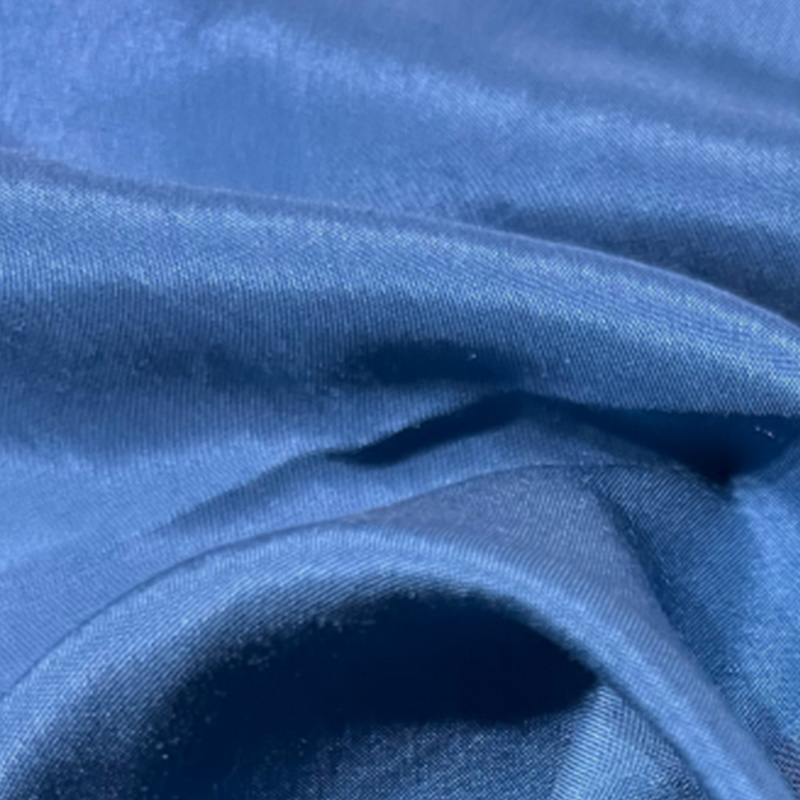
Botanical fabric dyeing is distinguished from other natural dyeing approaches — such as mineral or insect-based dyes — by its exclusive reliance on plant-derived colorants. The range of hues achievable through botanical sources is broader than many practitioners expect, covering the full warm spectrum from pale yellow through deep brown, with blues, greens, and grays achievable through specific plant and mordant combinations. The following table summarizes the most commercially relevant botanical dye sources and their typical color output on protein and cellulose fibers:
| Plant Source | Part Used | Color on Wool/Silk | Color on Cotton/Linen | Mordant |
|---|---|---|---|---|
| Indigo (Indigofera tinctoria) | Leaves | Mid to deep blue | Mid to deep blue | None (vat process) |
| Weld (Reseda luteola) | Whole plant | Bright yellow | Pale yellow | Alum |
| Madder (Rubia tinctorum) | Root | Warm red to brick | Terracotta | Alum or iron |
| Black walnut (Juglans nigra) | Husks | Rich dark brown | Deep tan to brown | None required |
| Japanese indigo (Persicaria tinctoria) | Fresh leaves | Cyan to teal blue | Sky blue | None (direct) |
| Chamomile (Anthemis tinctoria) | Flowers | Golden yellow | Soft yellow | Alum |
Protein fibers — wool, silk, and other animal-derived textiles — absorb botanical pigments more readily than cellulose fibers such as cotton and linen because their amino acid structure forms stronger ionic bonds with dye molecules. Cellulose fibers require more thorough mordanting and, in many cases, a tannin pre-treatment to open the fiber surface and improve dye uptake. This difference in affinity is one of the most important practical considerations when planning a botanical fabric dyeing program across a mixed fiber range.
The Plant Dyeing Process for Textile Production: Step-by-Step
The plant dyeing process textile workflow follows a consistent sequence regardless of the specific dye plant or fiber type. Each stage serves a defined function, and skipping or abbreviating any step reliably produces inferior results — uneven coverage, poor washfastness, or color that fades significantly within the first few laundering cycles.
Stage One: Fiber Preparation and Scouring
Before any mordanting or dyeing begins, the textile must be thoroughly scoured to remove sizing agents, spinning oils, finishing compounds, and any residual contamination from manufacturing. These substances form a barrier between the fiber surface and the dye molecules, producing patchy, undersaturated color even when all subsequent steps are correctly executed. Wool is scoured in hot water — typically 60°C — with a pH-neutral detergent, handled gently to prevent felting. Cotton and linen tolerate more vigorous treatment and benefit from a soda ash scouring bath at 90°C to fully remove wax and pectin from the fiber surface.
Stage Two: Mordanting
Mordanting is the critical step that determines both the intensity and the permanence of the final color in the plant dyeing process textile. A mordant — from the Latin mordere, to bite — is a metallic salt that bonds simultaneously to the fiber and to the dye molecule, creating a stable ternary complex. Potassium alum (aluminium potassium sulfate) is the standard mordant for most botanical dyes on protein fibers, used at 15–20% weight of fiber (WOF). Iron mordant (ferrous sulfate) shifts colors toward deeper, greener, or grayer tones and is used at lower concentrations of 2–4% WOF due to its potential to damage fiber if overdosed. For cellulose fibers, a preliminary tannin bath using oak gall, sumac, or black tea is added before alum mordanting to improve adhesion.
Stage Three: Dye Bath Extraction and Dyeing
Plant material is simmered in water to extract soluble pigment before the textile is introduced. The ratio of dye material to fiber weight varies considerably by plant: madder root requires 50–100% WOF for strong color; weld and chamomile work effectively at 100–200% WOF. The pre-mordanted, wet textile is entered into the strained dye bath and the temperature is raised slowly — typically over 30 to 45 minutes — to allow even penetration before reaching the target dyeing temperature of 80–90°C for most botanical dyes. The textile remains in the dye bath for 45 to 90 minutes with gentle agitation, then is allowed to cool slowly in the bath before removal to prevent uneven strike marks.
Stage Four: After-Treatment and Washing
After dyeing, the textile is rinsed progressively from warm to cool water to remove unbound dye and mordant residues. An optional iron after-bath — a brief immersion in a very dilute ferrous sulfate solution — can be applied at this stage to shift the color and simultaneously improve washfastness by further cross-linking the dye-mordant-fiber complex. The dyed textile is then washed in pH-neutral detergent, rinsed, and dried away from direct sunlight to prevent initial UV fading during the curing period.
Achieving Solid Color Natural Plant Dye Results: Variables That Determine Evenness
Producing a consistent, even solid color natural plant dye result across a full batch of fabric requires control over several variables that do not exist in synthetic dyeing. The inherent variability of plant material — affected by harvest season, growing region, soil composition, and drying method — means that even the same dye plant from the same supplier can produce slightly different color strength between batches. Managing this variability is the central technical challenge of scaling botanical dyeing from studio practice to production.
- Liquor ratio: The ratio of water volume to dry fiber weight affects both dye concentration and the freedom of fabric to move in the bath. A liquor ratio of 20:1 to 30:1 (litres of water per kilogram of fiber) is generally recommended for even solid color natural plant dye results on flat fabric pieces. Insufficient liquor creates uneven contact between fiber and dye solution.
- Temperature consistency: Uneven heat distribution in the dye vessel produces color variation across the batch. Using a dye vessel with even base heating rather than a concentrated flame source, and stirring regularly during the dyeing cycle, significantly improves levelness.
- Water quality: Hard water containing calcium and magnesium ions interferes with alum mordanting and can shift botanical dye colors unpredictably. Softened or filtered water produces more consistent and repeatable results across production batches.
- Dye material standardization: For production-scale botanical dyeing, using dried and milled dye plant material with a known colorant content — such as standardized madder extract or weld powder — is more reliable than using raw plant material, which varies in pigment concentration.
When even solid color natural plant dye results are the goal, pre-wetting the fiber thoroughly before entering the dye bath is one of the most impactful single steps a dyer can take. Dry or incompletely wetted fiber resists dye penetration at the surface, creating a darker exterior and paler interior in the yarn or fabric structure. A 30-minute soak in warm water immediately before dyeing eliminates this differential and is standard practice in any production-scale plant dyeing fabric operation aiming for commercial color consistency.
Pattern Effects in Plant Dyeing: When Variation Becomes a Design Feature
Not all plant dyeing fabric applications target uniform color. A distinct category of botanical dyeing deliberately exploits the variable, contact-dependent nature of plant pigments to create patterned results directly from plant material. The two principal techniques are eco-printing and resist dyeing, and both depend on the same plant chemistry that must be controlled for solid color work.
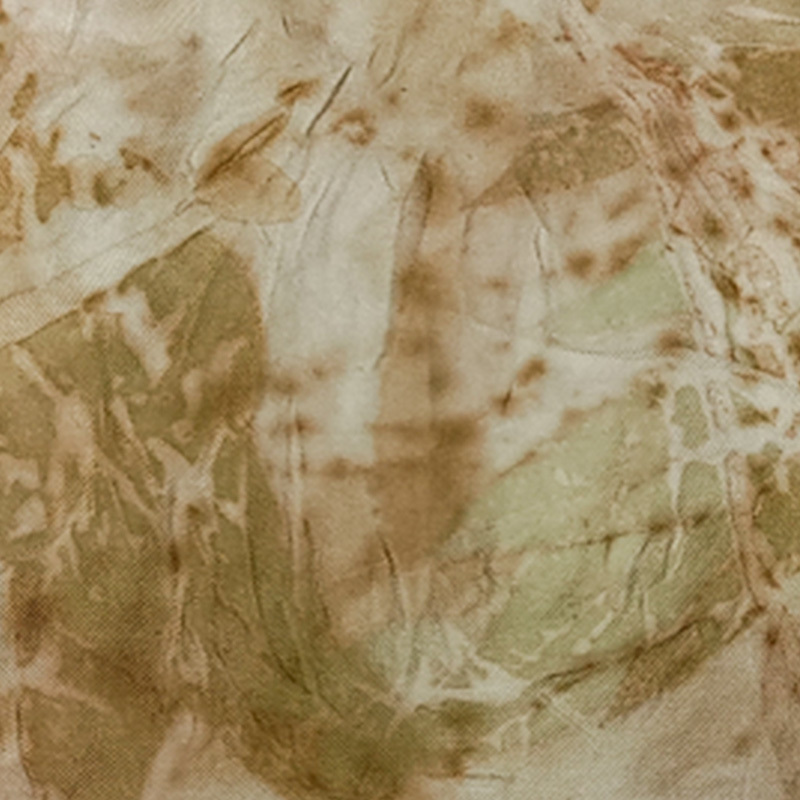
Eco-printing — also known as botanical contact printing — involves placing fresh or dried leaves and flowers directly onto pre-mordanted fabric, rolling the layered bundle tightly around a metal rod, and steaming or simmering the bundle for one to three hours. During this process, the plant's own pigments migrate under heat and pressure directly into the fiber, leaving precise silhouette impressions of each leaf. The color of each impression depends on the specific plant: eucalyptus leaves produce warm oranges and rusts on alum-mordanted wool; ferns give yellow-greens; rose petals transfer pink to mauve tones depending on pH. The result is a unique, non-repeating pattern that cannot be replicated by screen or digital printing and carries an inherent authenticity valued in premium textile markets.
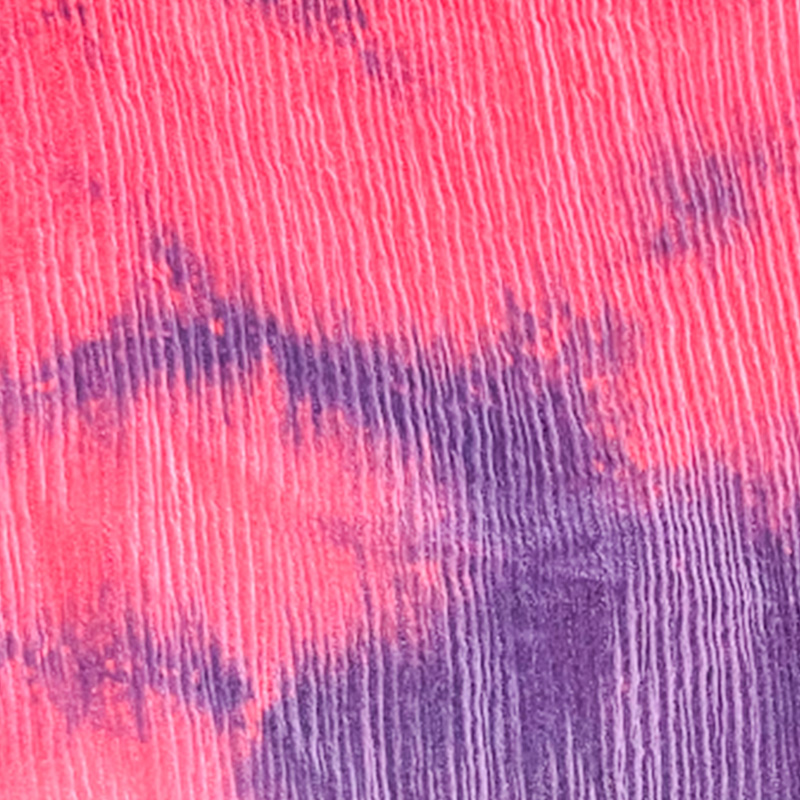
Resist dyeing combines botanical fabric dyeing with physical or chemical resist techniques — binding, folding, stitching, or wax application — to create areas of the fabric that remain undyed or dye to a lighter value, producing geometric or organic patterns within the overall plant-dyed color field. Indigo is the most common plant dye used in resist work due to its cold-process vat chemistry, which allows controlled partial immersion and multiple dip sequences to build graduated color patterns across the fabric surface.
 previous post