中文简体
中文简体 Français
 Deutsch
 italiano
Why Tussah Silk Fabric Is Valued for Its Natural Texture and Strength
Content
- 1 Natural Origin as the Foundation of Texture and Strength
- 2 Fiber Structure That Creates a Distinct Hand Feel
- 3 Strength Advantages of Wild Silk Filaments
- 4 Breathability and Moisture Performance
- 5 Natural Color and Visual Depth
- 6 Comparison With Mulberry Silk in Practical Use
- 7 Suitability for Specific Textile Applications
- 8 Why Texture and Strength Define Its Market Value
Natural Origin as the Foundation of Texture and Strength
Tussah silk fabric is produced from wild silkworms, mainly Antheraea species, that feed on natural forest leaves such as oak and terminalia rather than cultivated mulberry leaves. This wild growth environment directly affects the physical structure of the silk fiber. Compared with domesticated silk, tussah silk filaments are thicker, less uniform, and retain more of their natural sericin and mineral content. These factors create a fabric with a distinctly coarse yet organic texture and enhanced mechanical strength.
Fiber Structure That Creates a Distinct Hand Feel
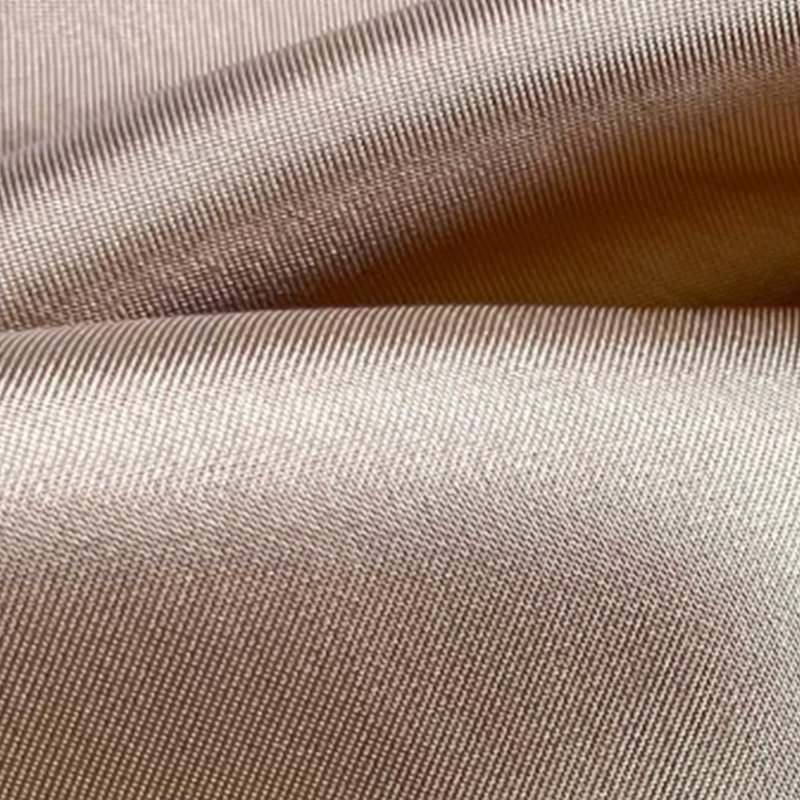
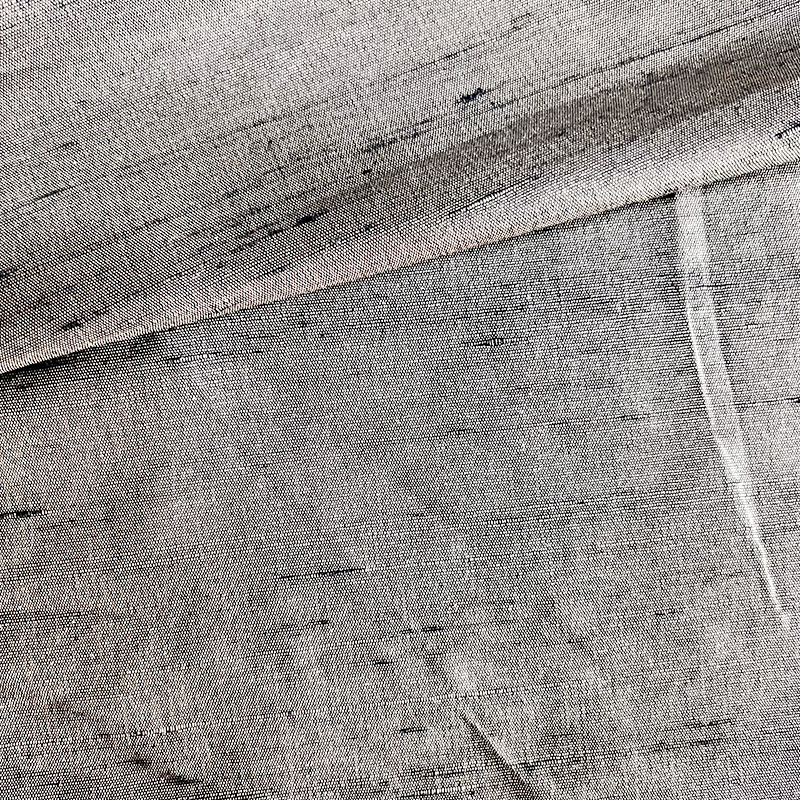
The internal structure of tussah silk fibers differs significantly from refined silk types. The filaments have irregular cross sections and higher crystallinity, which influences both touch and durability. Instead of a smooth, glossy surface, tussah silk presents a matte appearance with subtle slubs and grain variations, often described as raw or rustic.
Impact on Fabric Texture
This natural irregularity gives tussah silk fabric a dry hand feel and visible weave character. Designers and textile manufacturers value this texture for products where a natural, unprocessed appearance is preferred, such as handcrafted garments, traditional textiles, and interior fabrics.
Strength Advantages of Wild Silk Filaments
One of the key reasons tussah silk fabric is valued lies in its strength. Wild silkworms produce fibers that must withstand harsher outdoor environments, resulting in higher tensile strength compared to mulberry silk. The fibers are less prone to breakage during weaving and use, which contributes to fabric longevity.
Resistance to Wear and Tension
Tussah silk fabrics show good resistance to abrasion and pulling forces. This makes them suitable for applications where the fabric experiences repeated movement, friction, or structural stress, such as jackets, shawls, upholstery accents, and wall coverings.
Breathability and Moisture Performance
The thicker filament structure and natural porosity of tussah silk allow effective air circulation. At the same time, the fiber can absorb and release moisture efficiently. This balance helps maintain comfort across different climates and usage conditions.
- Allows heat dissipation in warm environments
- Reduces clamminess during prolonged wear
- Maintains structural stability in varying humidity
Natural Color and Visual Depth
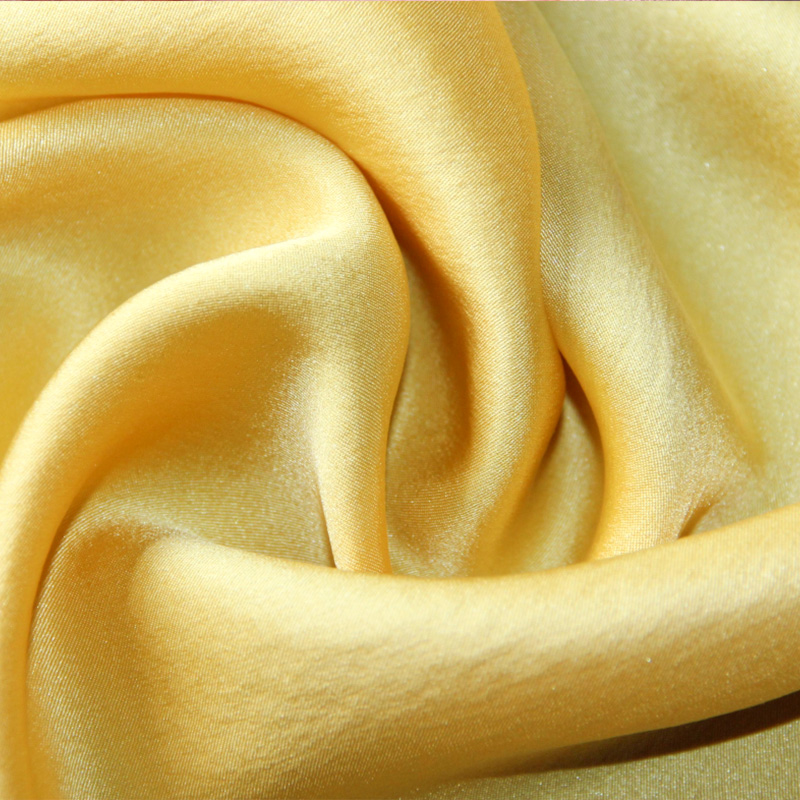
Unlike bleached or heavily processed silk, tussah silk retains its natural golden, beige, or light brown tones. These colors are not surface treatments but inherent to the fiber itself. As a result, the fabric exhibits visual depth and tonal variation that cannot be easily replicated through dyeing alone.
Effect on Dyeing and Finishing
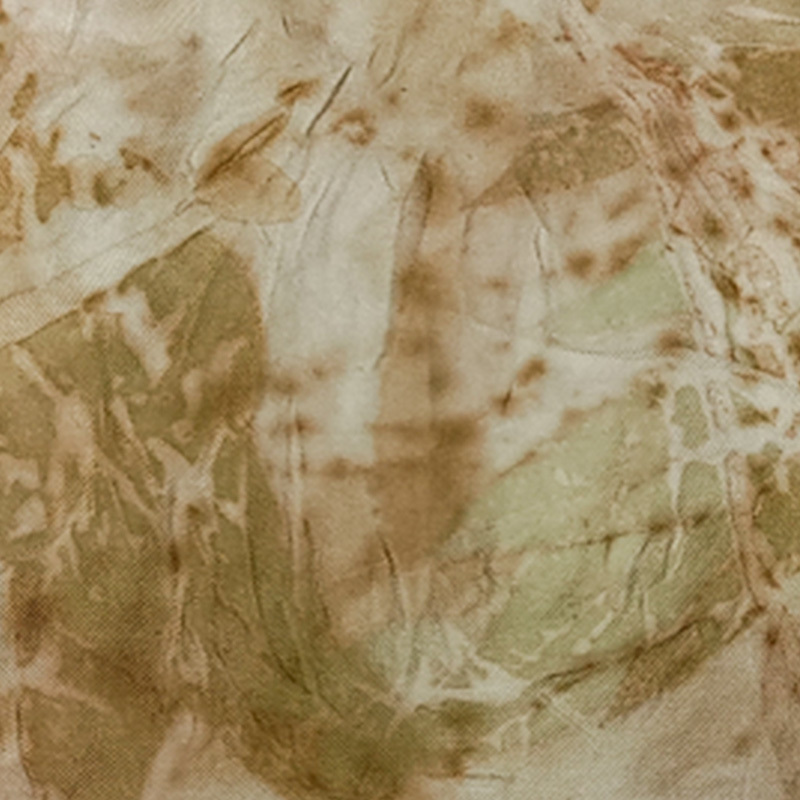
When dyed, tussah silk absorbs pigments differently due to residual sericin and mineral elements. The outcome is often muted, layered color effects rather than bright, uniform shades, which appeals to markets focused on natural aesthetics.
Comparison With Mulberry Silk in Practical Use
| Aspect | Tussah Silk Fabric | Mulberry Silk Fabric |
| Texture | Coarse, natural, matte | Smooth, fine, glossy |
| Fiber Strength | High tensile strength | Lower tensile strength |
| Visual Character | Organic and irregular | Uniform and refined |
Suitability for Specific Textile Applications
Due to its texture and strength, tussah silk fabric is often chosen for products where durability and natural appearance matter more than sheen. It performs well in garments requiring structure, as well as decorative textiles exposed to handling or environmental changes.
- Traditional and contemporary apparel
- Scarves and wraps with body and drape
- Curtains, wall panels, and upholstery accents
Why Texture and Strength Define Its Market Value
The value of tussah silk fabric is closely tied to qualities that cannot be engineered through heavy processing. Its natural texture reflects its wild origin, while its strength supports long-term use. For manufacturers and designers seeking authenticity, durability, and visual depth, these characteristics form the core appeal of tussah silk in modern textile applications.
 previous post