中文简体
中文简体 Français
 Deutsch
 italiano
Can You Tie Dye Polyester and Cotton Blend Fabrics Successfully
Content
- 1 Can You Tie Dye Polyester and Cotton Blend Fabrics
- 2 How Fabric Blend Ratios Affect Tie Dye Results
- 3 Why Polyester Resists Traditional Tie Dye
- 4 Choosing the Right Dye for Cotton Polyester Blends
- 5 Practical Tie Dye Expectations for Blended Fabrics
- 6 Tips to Improve Tie Dye Results on Polyester Cotton Blends
- 7 When a Cotton Polyester Blend Makes Sense for Tie Dye
Can You Tie Dye Polyester and Cotton Blend Fabrics
A common question in fabric dyeing is can you tie dye polyester and cotton blend materials with satisfying results. The short answer is yes, but the outcome depends heavily on the fiber composition and the dyeing method used. Cotton and polyester react very differently to dyes, which means blended fabrics rarely behave the same way as pure cotton.
Cotton is a natural fiber that readily absorbs fiber reactive dyes, making it ideal for traditional tie dye techniques. Polyester, on the other hand, is a synthetic fiber that resists these dyes and requires a completely different dye chemistry. In a blended fabric, each fiber type responds independently, creating a distinctive and often unpredictable visual effect.
How Fabric Blend Ratios Affect Tie Dye Results
The percentage of cotton versus polyester plays a decisive role in determining how vibrant the final tie dye pattern will appear. When evaluating whether you can tie dye polyester and cotton blend fabrics, understanding the blend ratio helps set realistic expectations before starting.
| Fabric Blend | Color Absorption | Overall Tie Dye Effect |
| 80% Cotton / 20% Polyester | High | Bright with slight heathering |
| 60% Cotton / 40% Polyester | Moderate | Muted, vintage-style look |
| 50% Cotton / 50% Polyester | Low to moderate | Soft, pastel-like appearance |
Why Polyester Resists Traditional Tie Dye
To understand can you tie dye polyester and cotton blend fabrics effectively, it helps to know why polyester behaves differently. Polyester fibers are hydrophobic, meaning they do not easily absorb water-based dyes. Their tightly packed molecular structure prevents fiber reactive dyes from bonding to the surface.
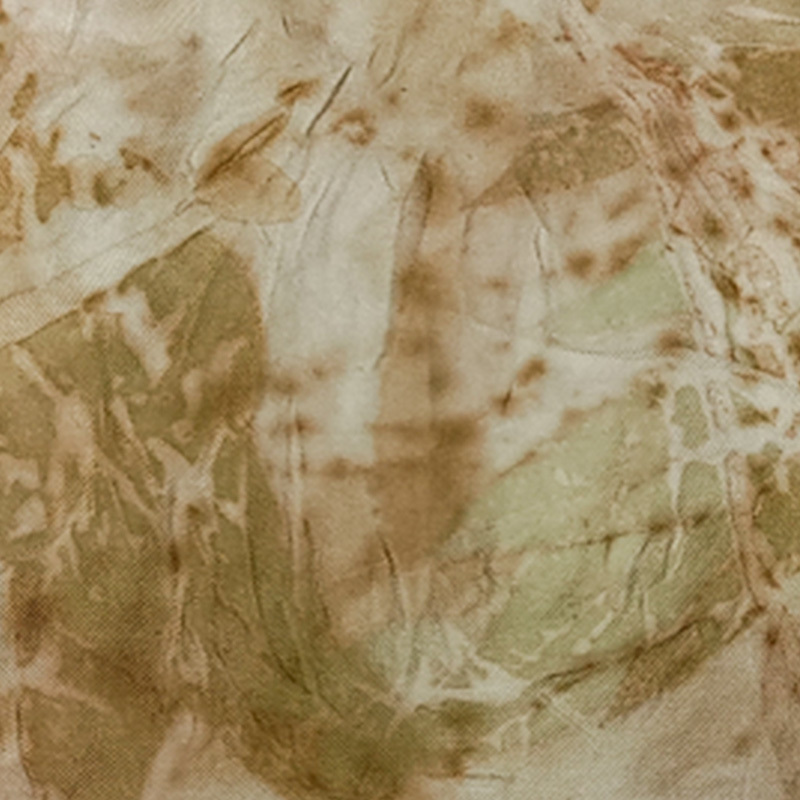
As a result, during the dyeing process, the cotton fibers absorb most of the color while the polyester fibers remain closer to their original shade. This contrast creates a textured or heathered look rather than solid, saturated color blocks.
Choosing the Right Dye for Cotton Polyester Blends
Selecting the appropriate dye is critical when working with blended fabrics. While no single dye works perfectly on both fibers at the same time, some options produce better overall results than others.
Common Dye Options and Their Behavior
- Fiber reactive dyes bond strongly with cotton but leave polyester mostly unchanged
- All-purpose dyes provide limited color on polyester and moderate results on cotton
- Disperse dyes are formulated for polyester but require high heat and controlled conditions
For most home tie dye projects, fiber reactive dyes are still commonly used, with the understanding that only the cotton portion of the fabric will take on strong color.
Practical Tie Dye Expectations for Blended Fabrics
When asking can you tie dye polyester and cotton blend garments, it is important to approach the process with adjusted expectations. Instead of aiming for bold, solid hues, blended fabrics tend to produce softer tones and more complex textures.
Many crafters intentionally choose cotton polyester blends to achieve a faded or worn-in aesthetic. The undyed polyester fibers create depth and visual variation that is difficult to replicate on 100 percent cotton fabrics.
Tips to Improve Tie Dye Results on Polyester Cotton Blends
Although blended fabrics have limitations, several practical steps can improve the final appearance of a tie dye project.
- Choose garments with a higher cotton percentage for stronger color saturation
- Pre-wash fabric to remove finishes that may block dye absorption
- Allow extended batching time so the dye fully reacts with cotton fibers
- Embrace lighter color palettes that complement the blended fiber effect
When a Cotton Polyester Blend Makes Sense for Tie Dye
There are situations where blended fabrics are a practical and even desirable choice for tie dye projects. Apparel intended for frequent washing often benefits from polyester’s durability, while the cotton content still allows for visible pattern formation.
By understanding the material behavior and adjusting design goals, the question can you tie dye polyester and cotton blend fabrics becomes less about limitations and more about selecting the right fabric for the intended visual outcome.
 previous post