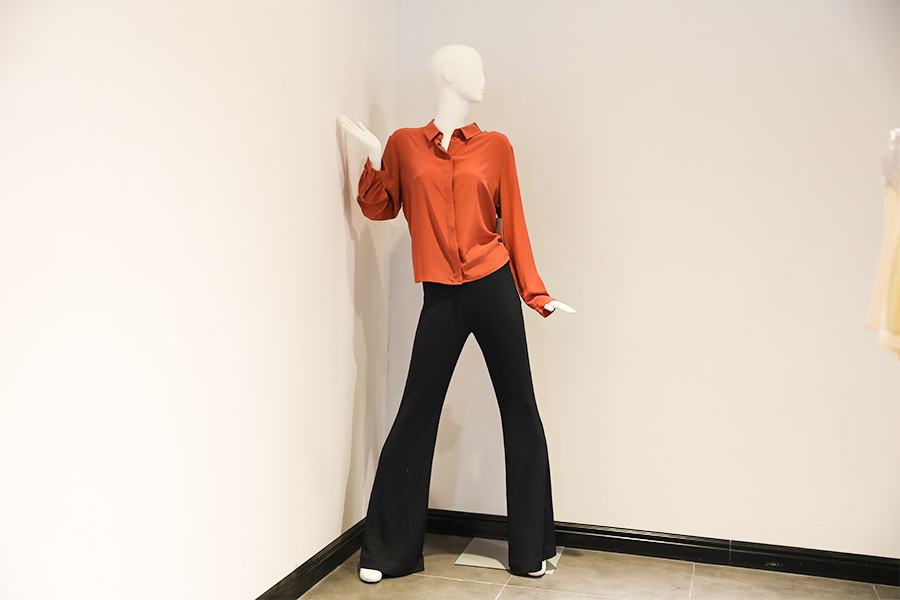
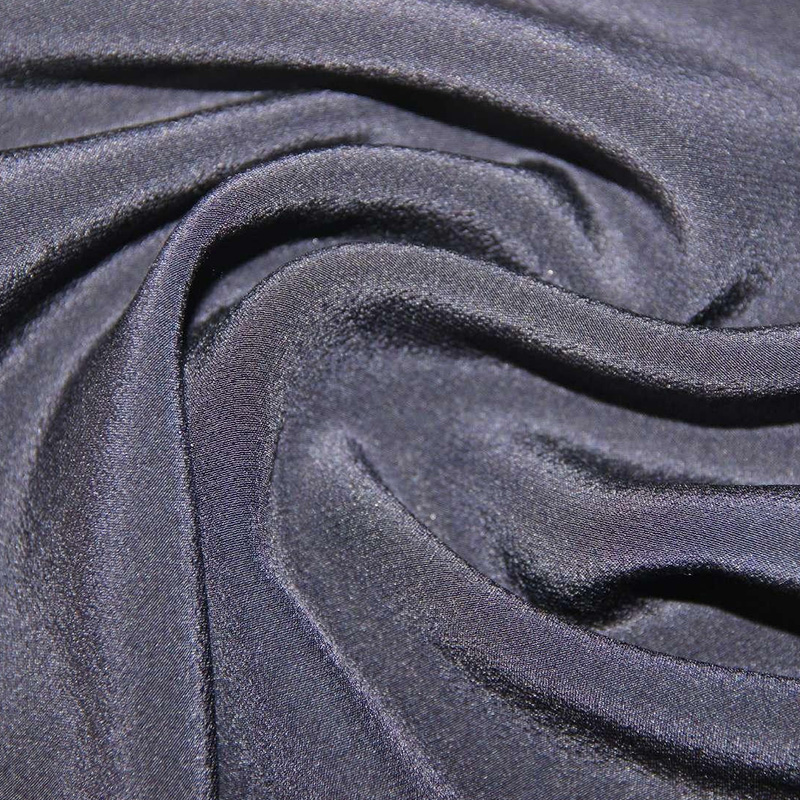
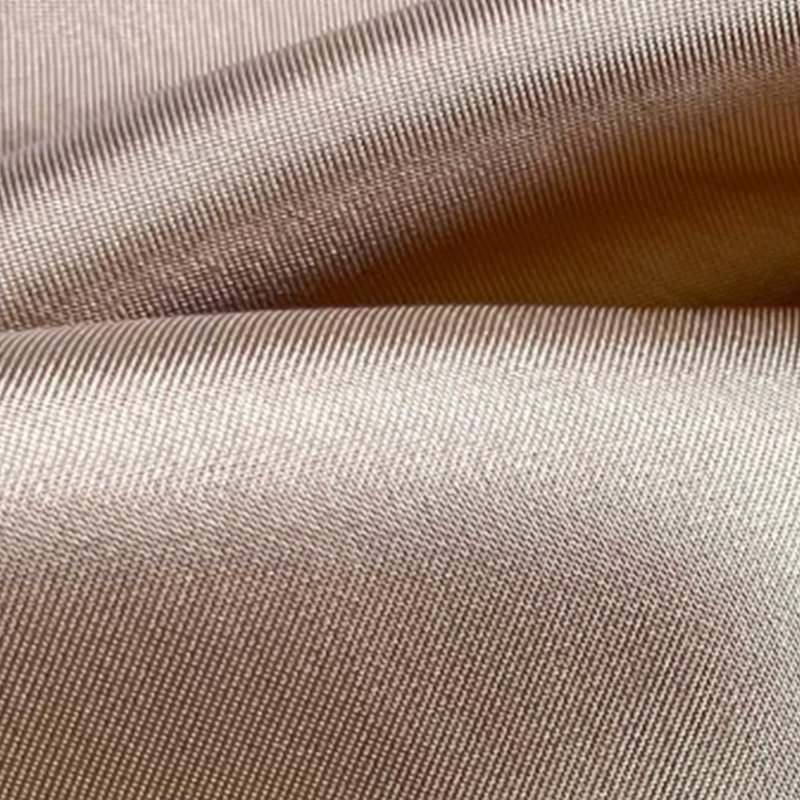
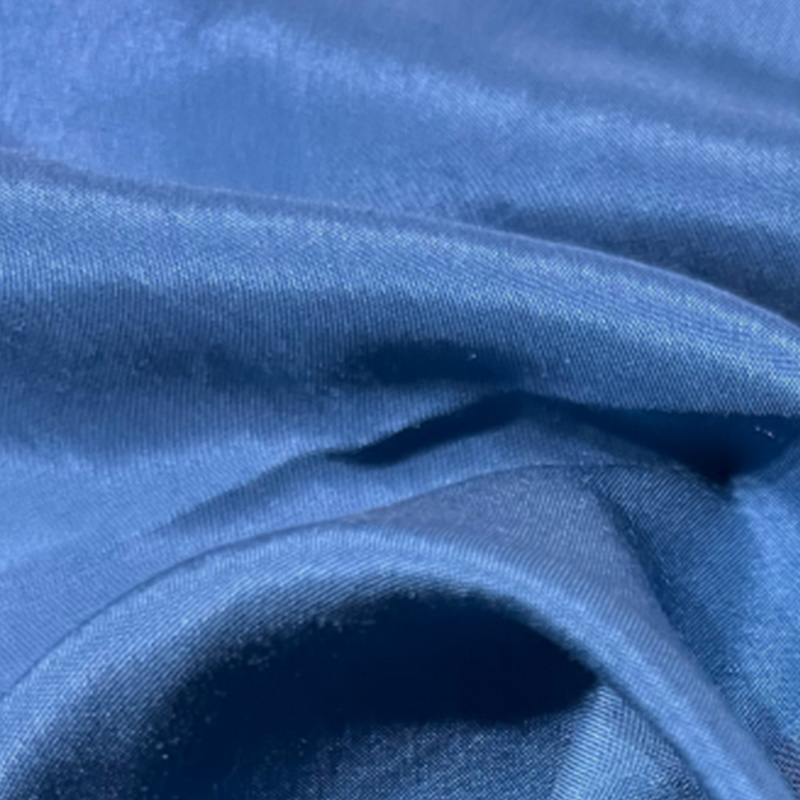
中文简体
中文简体 Français
 Deutsch
 italiano
How Is Silk Made from Silkworms? The Full Process from Cocoon to Fabric
A single domesticated silkworm (Bombyx mori) spins one continuous protein filament 300 to 900 meters long as it wraps itself into a cocoon. That filament — harvested, softened, and unwound at exactly the right moment — is the raw material behind nearly every silk blouse, dress, tie, and scarf in the market.
Most sourcing conversations skip the part that actually determines quality: how the worm builds the cocoon, how the cocoon is processed, and which steps are most likely to be cut short. Here is the complete production chain — from silkworm egg to finished fabric — and what each stage means for the fabrics you buy.
Bottom line: silk is not manufactured by machines. It is secreted by the silkworm as a pair of fibroin filaments coated with a natural gum called sericin, wrapped into a cocoon over three to four days, then softened, unwound, twisted, degummed, and woven. Every step changes the cost, handle, luster, and durability of the final cloth — which is why two fabrics both labeled "silk" can feel completely different.
Content
- 1 How a Silkworm Builds Its Cocoon
- 2 From Cocoon to Raw Silk: Six Process Steps
- 3 From Reeled Thread to Finished Fabric
- 4 Mulberry, Tussah, Spun, and Noil: How Silk Types Compare
- 5 What Quality Metrics Actually Tell You About Silk
- 6 Where Silk Fabric Goes in the Industry
- 7 A Five-Step Sourcing Guide for Apparel Brands
- 8 Care, Compliance, and Sustainability
How a Silkworm Builds Its Cocoon
From egg to mature larva
Silk production begins in licensed rearing houses, where adult moths lay eggs under controlled temperature and humidity. Eggs hatch into larvae after roughly 10 days. Over the next four weeks, each larva feeds almost continuously on chopped mulberry leaves and increases its body weight by roughly 10,000 times, shedding its skin four times through five growth stages (instars).
Toward the end of the larval stage, two silk glands inside the body fill with liquid protein. When the larva is ready to pupate, it climbs onto a mountage — bundles of straw or plastic frames — and begins the single task it was raised for: spinning.
The cocoon-spinning process
Using a spinneret beneath its mouth, the larva extrudes the liquid protein in a figure-eight pattern. Contact with air solidifies the twin filaments into one strand of fibroin, while sericin forms a gum coating that glues the cocoon together. The worm repeats this motion roughly 300,000 times over three to four days until the cocoon is complete.
A healthy mulberry cocoon contains 300 to 900 meters of usable continuous filament. Because each cocoon contributes only a fraction of a gram of usable thread, thousands of cocoons are needed to produce a single kilogram of raw silk — which is why sericulture remains a labor-intensive, geographically concentrated industry.
From Cocoon to Raw Silk: Six Process Steps
For sericulturists, timing is everything. If a pupa matures into a moth, it releases alkaline fluid to break through the cocoon, slicing the long filament into short, unusable pieces. Cocoons are therefore "stifled" — killed by heat, steam, or dry air — before the moth emerges.
- Sorting. Workers reject damaged, stained, or pierced cocoons. Color and firmness indicate ripeness.
- Stifling. Heat or steam kills the pupa and preserves filament continuity. This is the step that raises ethical questions about conventional silk.
- Softening. Cocoons soak in water heated to roughly 60-70°C, loosening the sericin binder so filaments unwind without breaking.
- Deflossing. Loose outer fibers are brushed away to locate the single continuous filament end.
- Reeling. Filaments from 4 to 8 cocoons are gathered and wound onto reels; sericin fuses them into one raw silk thread.
- Twisting and degumming. Raw silk is twisted into organzine (warp) or tram (weft) yarns, then boiled to remove 20-30% of its weight as sericin. Only now does silk reveal its characteristic luster.
Filament continuity
A broken filament cannot be repaired. Damaged cocoons are downgraded to spun silk or noil, which changes the entire fabric's character.
Sericin content
Sericin makes up 20-30% of cocoon weight. Suppliers who skip proper degumming sell heavier, stiffer fabric that later shrinks or turns harsh.
Reeling tension
Inconsistent tension produces slubs, uneven dye take-up, and visible barre in dyed fabrics. Evenness is controlled on the reeling floor, not in the finishing room.
From Reeled Thread to Finished Fabric
Reeled silk arrives at the weaving mill as organzine and tram yarns. The weave structure then determines the fabric's personality:
- Plain weave produces flat, crisp cloth with a subtle texture — the workhorse for shirts, lightweight dresses, and linings. Most plain mulberry silk fabric and blends
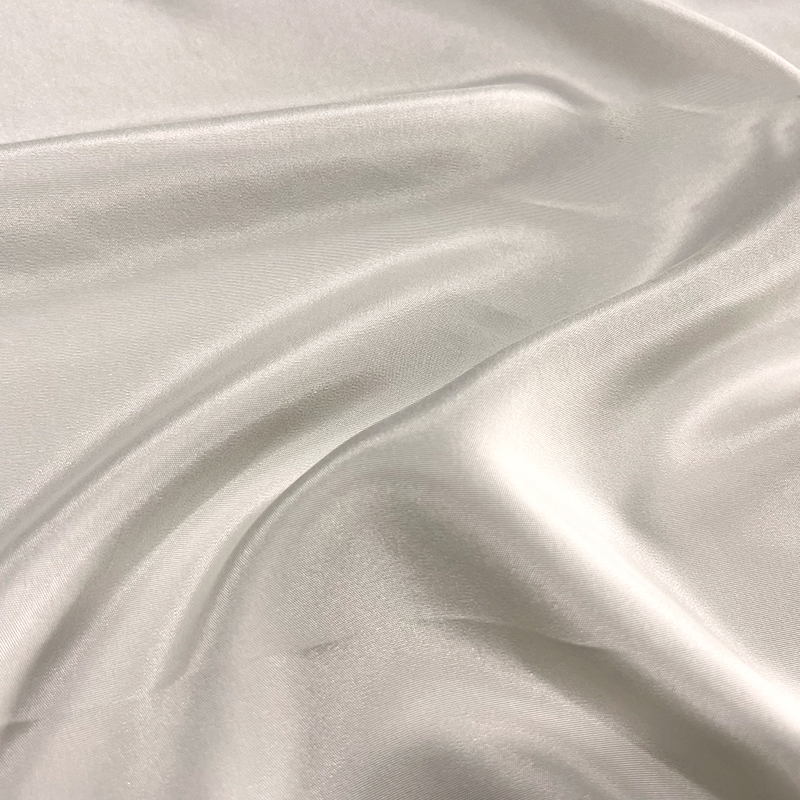 Plain mulberry silk fabric and blend Fabric Manufacturers, Suppliers, Factory - Suzhou Wangu Silk is China Custom Plain mulberry silk fabric and blend Manufacturers, Wholesale Plain mulberry silk fabric blend Supplier...View Product → used in brand sampling programs start here.
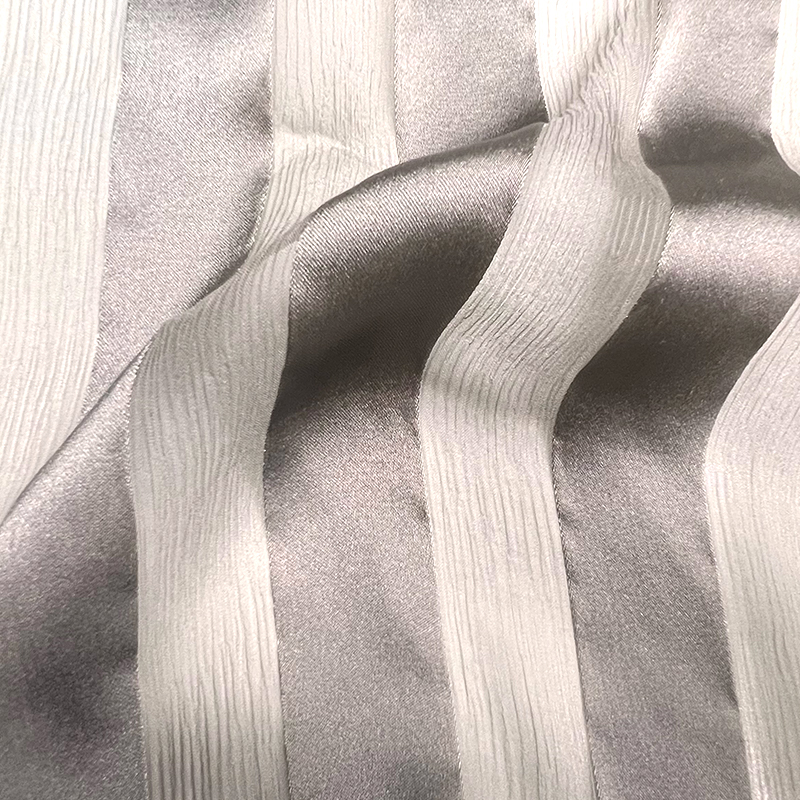
 - Satin weave floats yarns across long segments, reflecting light from a smooth surface. Satin mulberry silk fabric
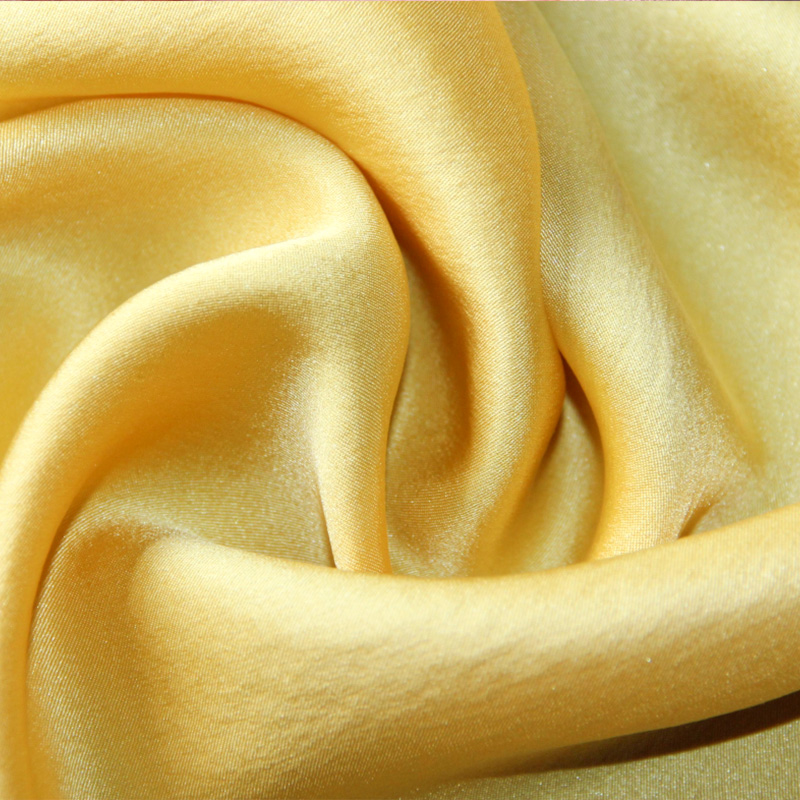 Satin mulberry silk fabric and blend Fabric Manufacturers, Suppliers, Factory - Suzhou Wangu Silk is China Custom Satin mulberry silk fabric and blend Manufacturers, Wholesale Satin mulberry silk fabric blend Supplier...View Product → dominates eveningwear, formal blouses, and premium linings.
 - Twill, crepe, and organza add further variation: twill creates a durable diagonal rib; crepe imparts a matte, fluid hand; organza gives a sheer, stiff structure for evening shapes.
After weaving, silk can be dyed as yarn (yarn-dyed) or as finished cloth (piece-dyed), printed with screen or digital methods, and finished with softeners or anti-wrinkle treatments. The same reeled silk can become a crisp organza or a fluid crepe, depending on decisions made after the loom stops.
Mulberry, Tussah, Spun, and Noil: How Silk Types Compare
"Silk" is not one fiber. The four types that matter most to apparel buyers differ in filament form, luster, strength, and end use. Understanding these differences prevents paying mulberry-silk prices for spun-silk performance.
Values are typical of commercially available apparel-grade silks; exact figures vary by origin and processing.
For naturally textured outerwear, tussah is a valid alternative to cultivated mulberry: tussah silk fabric offers a softer sheen and higher tensile strength. The historical and commercial definitions behind these categories are covered in more depth in an overview of the four types of silk.
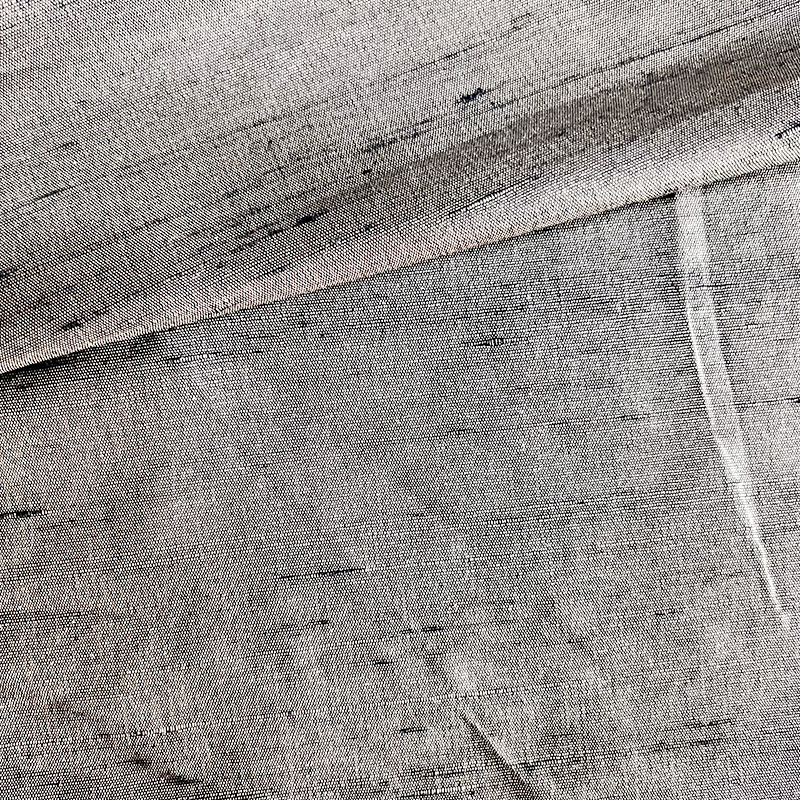 Tussah silk fabric Manufacturers, Suppliers, Factory - Suzhou Wangu Silk Co., LtSuzhou Wangu Silk is China Custom Tussah silk fabric Manufacturers, Wholesale Tussah silk fabric Suppliers and Factory,Tussah silk yarn c...View Product →
What Quality Metrics Actually Tell You About Silk
Fabric buyers evaluating suppliers should request more than a swatch. Three numbers reveal more about process discipline than the visual hand feel alone.
- Denier. The standard for apparel-grade mulberry silk is 20-22 denier. Finer counts (14-16) suit lightweight blouses; heavier counts (25-30) go into outerwear.
- Elongation at break. Silk typically stretches 20-25% before breaking. If a sample snaps much earlier, degumming was rushed or the silk degraded by heat.
- Moisture regain. Silk absorbs about 11% of its weight in moisture at standard conditions, versus under 1% for polyester. That is why silk feels comfortable on skin — and why it needs careful finishing to resist shrinkage.
Elongation at break by fiber (approximate)
Higher elongation means the fabric yields under stress, so garments move with the body and recover their shape.
Where Silk Fabric Goes in the Industry
Silk's applications extend well beyond fashion, but apparel still concentrates most of the volume. The estimated global distribution of silk fabric consumption looks like this:
- Apparel — 55%: dresses, blouses, shirts, formalwear, and premium tops.
- Accessories — 20%: ties, scarves, shawls, and pocket squares.
- Home textiles — 15%: bedding, curtains, cushions, and upholstery accents.
- Technical and medical — 10%: surgical sutures, wound dressings, and advanced composites.
For a fabric supplier, this distribution shapes development priorities: volume drives apparel, but margins are often healthier in accessories and medical specifications.
A Five-Step Sourcing Guide for Apparel Brands
When we evaluate a new silk program with a client, we walk through five steps before a single meter is woven.
Define the hand-feel target
Drapey or crisp? Glossy or matte? Weave and finish decisions follow from this answer.
Choose the silk type
Mulberry for bright luster; tussah for texture and strength; spun silk for casual blends; noil for an artisanal slub look.
Confirm the weight
Silk is quoted in momme (mm): 1 mm = 4.306 g/m². Typical ranges: 12-16 mm blouses, 16-22 mm dresses, 22-30 mm jackets.
Verify the numbers
Check denier, elongation, post-finish shrinkage (below 5% for well-processed mulberry silk in a gentle wash), and fabric pH (4.5-6.5 next to skin).
Sample before scaling
A sampling run confirms color consistency, drape, and dimensional stability. If bulk lacks the repeat quality, the program will fail later.
Care, Compliance, and Sustainability
Care expectations for silk garments
Even the best fabric fails if the wearer mis-handles it. Standard guidance for mulberry silk: hand wash below 30°C with a neutral detergent; no wringing — roll in a towel and dry flat in the shade; iron inside-out on a low-temperature setting with a pressing cloth. A practical guide to caring for luxury mulberry silk fabric covers these steps in more detail.
Compliance and supply-chain checks
European and North American brands treat certifications as a purchasing condition. Four checks matter:
- Dyehouse: Bluesign-certified dyeing avoids the restricted chemicals most likely to fail EU REACH.
- Organic claims: GOTS certification covers the full chain, including mulberry cultivation and sericulture.
- Material traceability: GRS certification supports recycled-silk claims and circular sourcing.
- Animal-welfare policy: conventional silk kills pupae during stifling; Ahimsa or peace silk lets moths emerge and uses damaged cocoons, at a higher cost. Decide early which position your brand can defend.
Silk also earns its sustainability position at end of life: mulberry silk fabric is fully biodegradable, returning nitrogen-rich protein to soil — a point the biodegradability of mulberry silk fabric examines in depth. Our own organic silk supply chain, built with partner reeling mills in Yuexi County, Anhui Province, is CERES-audited, GOTS-certified, and a recognized green product; all dyeing runs through Bluesign-certified facilities. For brands building a responsible sourcing story, that combination is now the minimum expectation in the EU market.
 previous post