中文简体
中文简体 Français
 Deutsch
 italiano
Rayon vs Nylon for Class 8 Science: Key Differences, Properties, and Uses Explained
Rayon and nylon are the first two manufactured fibres you will meet in your Class 8 science textbook, and they are easy to confuse because both were created as substitutes for silk. The difference is simple once you know where each one comes from: rayon is a semi-synthetic fibre made from natural cellulose, while nylon is a fully synthetic fibre made from petroleum-based chemicals. That single difference drives everything else, including strength, comfort, moisture absorption, and the products each fibre is used for.
Rayon is often called artificial silk because it was developed to imitate silk's softness and sheen. Nylon became the first truly synthetic fibre, produced entirely through chemical synthesis. In the Class 8 chapter on synthetic fibres, nylon is grouped with polyester and acrylic as fully synthetic, while rayon sits in its own category because it starts from a natural material. Understanding the difference between the two is useful for exams and for everyday life: it explains why some clothes feel cool and breathable, while other materials are tough enough to make ropes and parachutes.
Content
- 1 What Are Rayon and Nylon Made Of?
- 2 Strength, Elasticity, and Durability: Where Nylon Pulls Ahead
- 3 Moisture Absorption and Comfort: Rayon's Natural Advantage
- 4 Quick Comparison Table for Revision
- 5 Uses of Rayon and Nylon in Daily Life
- 6 Environmental Impact: Which Fibre Is Greener?
- 7 Choosing Between Rayon and Nylon: Practical Takeaway
What Are Rayon and Nylon Made Of?
Rayon is produced by dissolving cellulose, the main structural substance in plant cell walls, out of wood pulp, and then forcing the solution through fine spinnerets to form fibres. Because the starting material is natural but the fibre itself is manufactured, rayon is classified as a semi-synthetic or regenerated fibre. Chemically, rayon is very close to cotton, which is why it behaves like a natural fibre in terms of moisture absorption and comfort.
Nylon, in contrast, belongs to the polyamide family. It is made by polymerisation, a chemical reaction in which small petroleum-derived molecules join together into long, repeating chains. Nylon was first developed in 1935 and quickly replaced silk in products such as parachutes, stockings, and toothbrush bristles. Because every part of its production starts from chemical compounds rather than natural fibres, nylon is described as a fully synthetic fibre.
This molecular difference is the foundation of everything else. Rayon's plant-derived cellulose chains keep the fibre breathable and absorbent, while nylon's tightly packed polymer chains make it strong, water-repellent, and resistant to permanent stretching.
Strength, Elasticity, and Durability: Where Nylon Pulls Ahead
Nylon is significantly stronger than rayon in both dry and wet conditions. It is also highly elastic, meaning it can stretch under load and then return to its original shape. This combination of strength and elasticity is why nylon is used for ropes, fishing nets, seat belts, and sportswear. A simple home test makes the point clear: pull a nylon thread and a rayon thread with the same force, and the rayon thread will break much sooner; the difference becomes even larger when both threads are wet.
Rayon, by comparison, loses a large part of its strength when wet. It tears more easily, wrinkles quickly, and wears down faster under friction. Pure rayon garments therefore need gentle washing, and rayon is frequently blended with stronger fibres to improve durability. As fabric manufacturers, we see this daily: viscose in a blend affects wrinkle resistance and shrinkage, which is why blend ratios are chosen carefully for each end use.
The practical conclusion is easy to remember: nylon resists wrinkles and tears and needs low maintenance, while rayon wrinkles easily and requires gentler handling, especially when wet.
Moisture Absorption and Comfort: Rayon's Natural Advantage
Here the advantage shifts to rayon. Because rayon is made from cellulose, it absorbs moisture readily, just like cotton. Rayon fabrics feel cool, smooth, and comfortable against the skin, which is why they remain a popular choice for summer dresses, shirts, sarees, and linings. Viscose, the most common type of rayon, is used across the apparel industry. Our own production experience confirms how viscose blend fabrics perform in hot and humid climates: the cellulosic content keeps the garment breathable and prevents the sticky feeling that synthetic fibres can cause.
Nylon absorbs very little water, only about four percent of its own weight, so it dries quickly after washing or rain. But that same low absorbency makes nylon feel clammy in hot weather. Nylon also generates static electricity, so nylon garments tend to cling to the body or produce small sparks in dry air.
Quick Comparison Table for Revision
A side-by-side table makes revision faster. Keep this table handy for homework and tests.
| Property | Rayon | Nylon |
|---|---|---|
| Raw material | Wood pulp (cellulose) | Petroleum-based chemicals |
| Type | Semi-synthetic (regenerated) | Fully synthetic |
| Also known as | Artificial silk | Polyamide |
| Strength | Moderate; weak when wet | Very strong, even when wet |
| Elasticity | Low; loses shape easily | High; returns to original shape |
| Moisture absorption | High | Very low (about 4%) |
| Wrinkle resistance | Low; wrinkles easily | High; resists wrinkles |
| Heat behaviour | Burns readily | Melts instead of burning |
| Static electricity | Low | High |
| Main uses | Clothing, sarees, curtains | Ropes, socks, parachutes, sportswear |
This table covers the points most often asked in Class 8 tests: origin, classification, strength, comfort, and applications.
Uses of Rayon and Nylon in Daily Life
Both fibres appear more often than students realise. Once you start looking, you will find them in clothing, school bags, sports gear, and household fabrics.
Where rayon is used
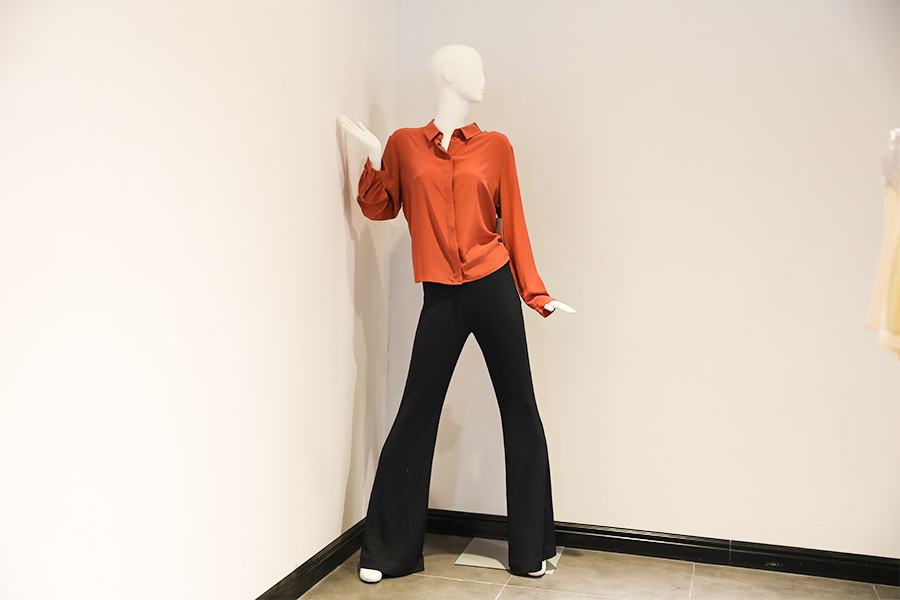
Rayon's softness, drape, and moisture absorption make it a natural fit for dresses, blouses, lining fabrics, sarees, and home textiles such as curtains and bed covers. In commercial production, rayon is usually sold under the name viscose. At our mill, we weave viscose and blend fabrics for garment brands across Europe and North America, often combining the fibre with silk, cotton, or Tencel to balance comfort with strength.
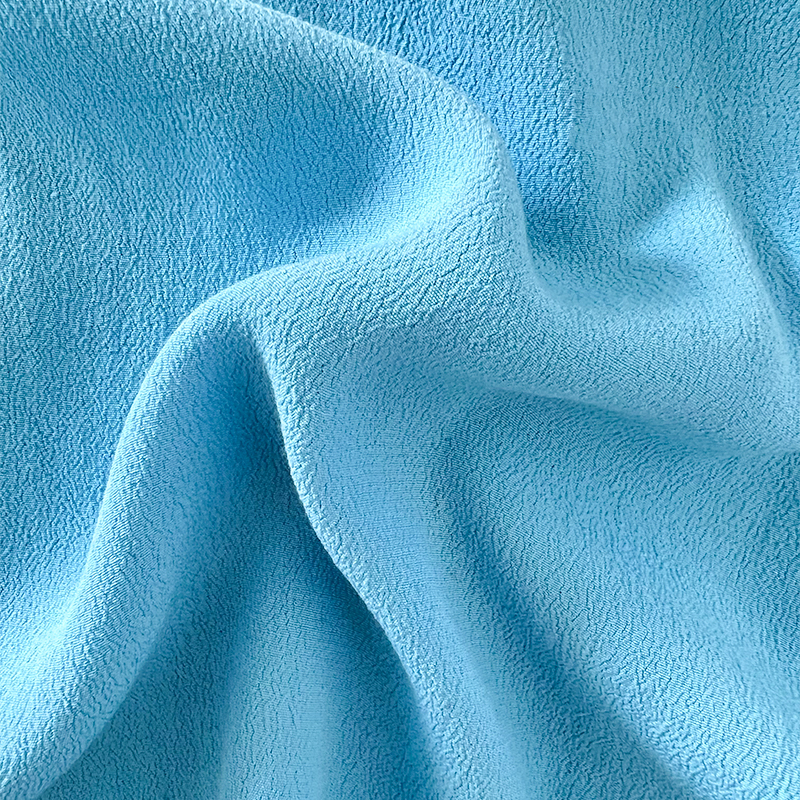 EcoVero Viscose Fabric Manufacturer, Viscose Blend Fabric SupplierSuzhou Wangu Silk Co Ltd is China Viscose Fabric Manufacturers and Wholesale Viscose Blend Fabric Suppliers, Factory offer custom EcoVero...View Product →
Where nylon is used
Nylon's toughness and elasticity suit products that take heavy use: ropes, fishing nets, seat belts, backpack straps, stockings, sportswear, and tyre cord in car tyres. Because nylon dries quickly and resists mildew, it is also a standard choice for outdoor gear and swimwear. In a single garment, the two fibres often play different roles: rayon in the printed body of a summer dress, nylon in the zipper tape, the elastic waistband, or the lining of a rain jacket.
Environmental Impact: Which Fibre Is Greener?
Neither fibre is perfect from an environmental standpoint. Rayon starts from renewable wood, but conventional viscose manufacturing uses chemicals such as carbon disulfide, and poorly managed factories have caused pollution problems. Modern closed-loop processes recover and reuse those chemicals, producing cellulosic fibres with a much smaller footprint. Tencel (lyocell) is the best-known example: it keeps rayon's comfort but is noticeably stronger and made using a more responsible process. For anyone comparing materials, how sustainable fabrics compare in durability and comfort is a useful starting point.
Nylon starts from non-renewable crude oil and does not biodegrade, although some nylon can be recycled into new products. For brands that want more transparency, manufacturers now offer certified sustainable collections. Our sustainable fabric range includes recycled, organic, and plant-dyed materials, alongside fibres such as Naia acetate that are produced in closed-loop systems.
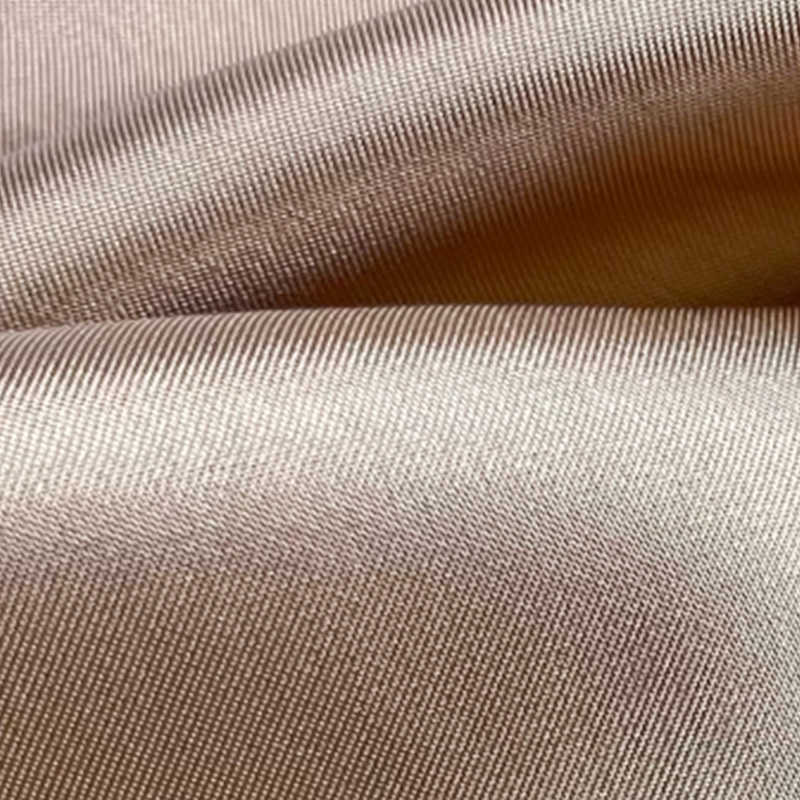 Wholesale Sustainable Fabrics Manufacturers, SuppliersAs China Sustainable Fabrics Manufacturers and wholesale Sustainable Fabrics Factory, Suppliers, Suzhou Wangu Silk Co., Ltd. produce high...View Product →
Choosing Between Rayon and Nylon: Practical Takeaway
The rule of thumb is straightforward: choose rayon when comfort, softness, and breathability matter most; choose nylon when strength, stretch, and durability are the priority. If you want the feel of rayon with better resilience, a modern cellulosic fibre such as Tencel is a strong option, because it combines rayon-like softness with improved strength and a lower environmental impact. Our Tencel and blend fabrics show how this works in actual garment production.
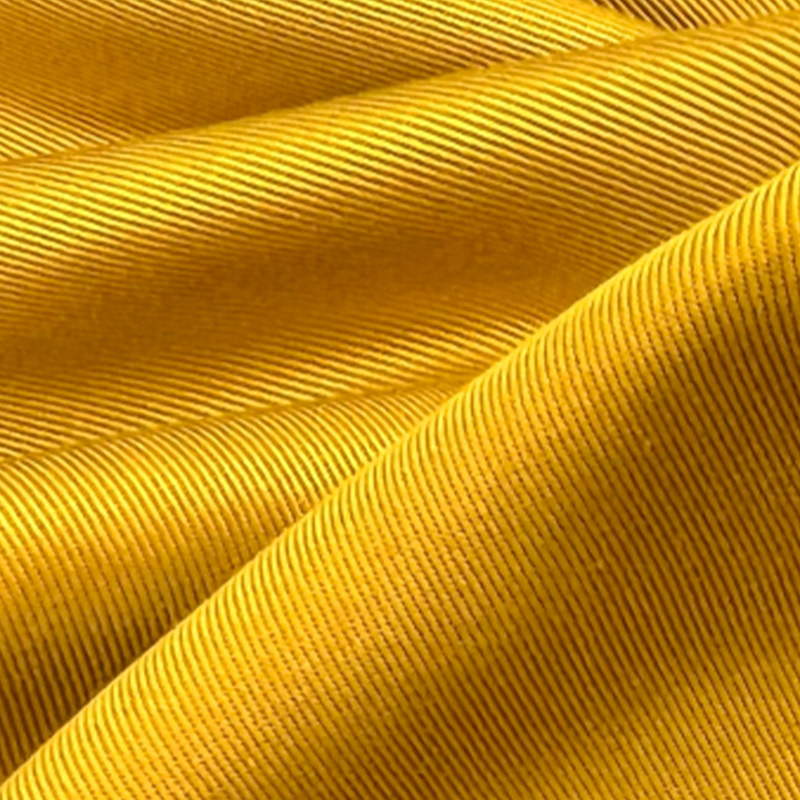 Tencel Fabric Manufacturers, Tencel blends fabric Suppliers, Factory - Suzhou WaSuzhou Wangu Silk is China Custom Tencel and blends fabric Manufacturers, Wholesale Tencel blends fabric Suppliers and Factory,The charac...View Product →
For your Class 8 exam, memorise this one line: rayon is a semi-synthetic fibre regenerated from plant cellulose, so it feels comfortable and absorbs moisture but is not very strong; nylon is a fully synthetic polyamide made from petroleum chemicals, so it is strong, elastic, and resistant to wear, but it feels less breathable in hot weather. Once you see the pattern behind the properties, you will be able to answer any rayon versus nylon question by asking yourself one thing first: where does the fibre come from?
 previous post