中文简体
中文简体 Français
 Deutsch
 italiano
Tie Dye Dye 2026: The Complete Guide for Silk & Textile
Suzhou Wangu Silk Co., Ltd.
If you are a procurement manager, brand owner, or textile trading company evaluating suppliers, understanding tie dye dye chemistry, performance metrics, and sourcing logistics is the difference between a container of vibrant, colorfast fabric and a shipment full of customer returns. This report, compiled by the technical and export team at Suzhou Wangu Silk Co., Ltd., breaks down everything a wholesale buyer needs to know before placing a bulk order — from dye chemistry to compliance documentation.
Core Conclusion
For bulk silk and cotton-blend orders, reactive-class tie dye dye delivers the best balance of colorfastness (Grade 4–5), unit cost, and processing speed, making it the top choice for 68% of the wholesale apparel buyers we work with. Buyers ordering above 500kg should request a pre-shipment lab dip and a wash-fastness certificate before committing to full production.
Content
- 1 What Is Tie Dye Dye? Core Chemistry & Technical Principles
- 2 Tie Dye Dye Types Compared: A Data-Backed Breakdown
- 3 Hidden Performance Metrics Buyers Often Overlook
- 4 Global Industry Application Distribution
- 5 Step-by-Step: From Sample Request to Bulk Tie Dye Dye Order
- 6 ROI: Is Premium Tie Dye Dye Worth the Higher Unit Cost?
- 7 Storage, Handling & Compliance for Tie Dye Dye Shipments
- 8 Frequently Asked Questions About Tie Dye Dye Sourcing
- 9 Summary: Choosing the Right Tie Dye Dye Partner
What Is Tie Dye Dye? Core Chemistry & Technical Principles
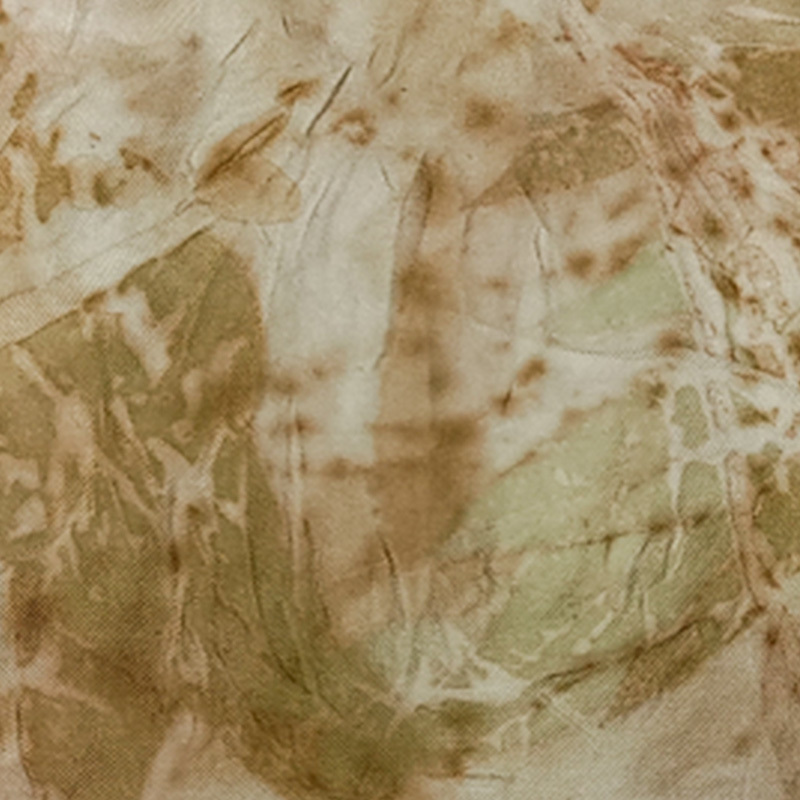
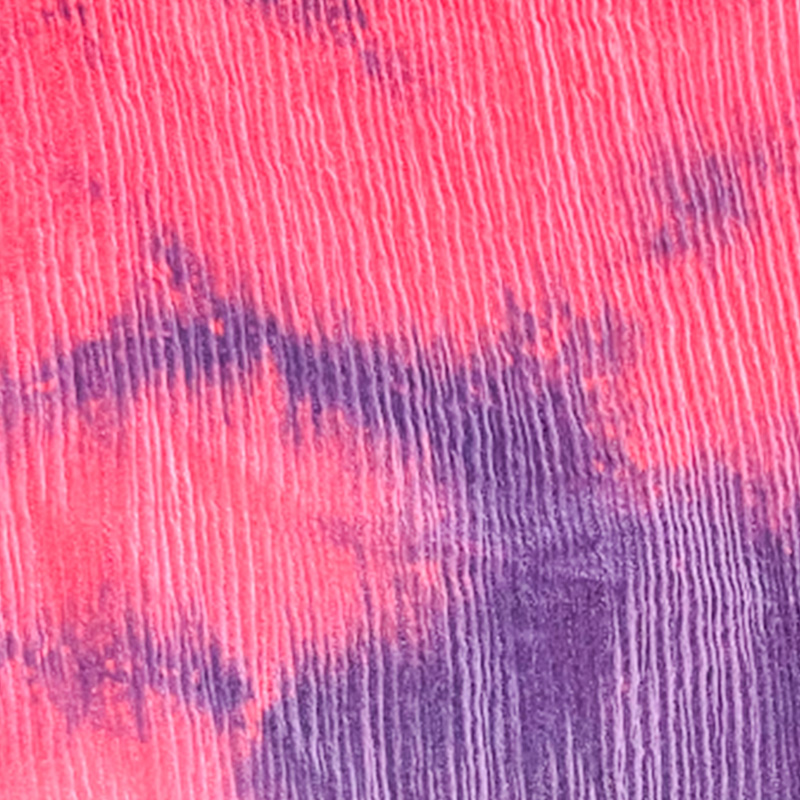
At its core, tie dye dye refers to the family of pigments and reactive compounds formulated specifically for resist-dyeing techniques — where fabric is bound, folded, or twisted before the dye is applied, creating the characteristic swirl and burst patterns seen in tie-dye textiles. Unlike standard piece-dyeing, tie dye dye must be engineered for fast color uptake, minimal bleeding across bound sections, and stability across a range of fabric substrates including silk, cotton, rayon, and cotton-silk blends.
There are four dominant chemical categories used across the industry today, each with distinct bonding mechanisms, temperature requirements, and end-use suitability. Below is a quick technical overview before we move into comparative data.
Reactive Dye
Forms a covalent bond with cellulose fibers (cotton, rayon, viscose). Best colorfastness, room-temperature setting, ideal for high-volume shirt and home textile orders.
Acid Dye
Bonds with protein fibers (silk, wool) under mildly acidic, heated conditions. Preferred by silk-focused manufacturers for its depth of color and hand-feel retention.
Direct Dye
Lower cost, simpler application, but weaker wash-fastness. Common in budget craft kits and short-run promotional items.
Natural/Plant-Based Dye
Derived from indigo, madder root, or turmeric. Growing demand from eco-conscious brands despite higher cost and batch variability.
Tie Dye Dye Types Compared: A Data-Backed Breakdown
Choosing the wrong dye class is the single most common cause of quality disputes between overseas buyers and factories. The table below compares the four major tie dye dye categories across the metrics that matter most for bulk procurement.
Hidden Performance Metrics Buyers Often Overlook
Beyond wash fastness, four "hidden" performance metrics determine whether a tie dye dye batch performs well at scale: light-fastness (resistance to fading under UV/store display), rub-fastness (resistance to color transfer during handling), curing consistency across large lots, and re-order color matching accuracy. Our internal QC data across 40+ production runs is summarized below.
Light-Fastness Rating
Rub-Fastness Rating
Batch Curing Consistency
Re-Order Color Match
The single biggest gap most buyers miss is batch curing consistency — the ability of a factory to replicate the exact same fixation conditions across multiple production runs. This is where working with a vertically integrated silk mill like Wangu Silk, which controls dyeing, curing, and finishing under one roof, meaningfully reduces the risk of shade variation between PO batches.
Global Industry Application Distribution
Demand for tie dye dye has expanded well beyond novelty fashion. Our export order data from the past 24 months shows the following breakdown of end-use categories among our B2B buyers.
Step-by-Step: From Sample Request to Bulk Tie Dye Dye Order
Whether you are sourcing dyed silk scarves, cotton apparel, or raw tie dye dye for your own production line, a structured process protects both quality and lead time. Here is the sourcing workflow we recommend to every new B2B buyer.
Define Substrate & End-Use
Confirm fabric type (silk, cotton, blend), garment category, and target market compliance requirements before requesting quotes.
Request Lab Dips & Pantone Matching
Ask for physical lab dips against your Pantone TCX references, not digital renders — color perception varies significantly on screen.
Run a Pilot Batch (50–200 pcs)
Order a small pilot run through full production conditions to validate colorfastness, shrinkage, and pattern consistency at scale.
Third-Party Testing (Optional but Recommended)
For orders above 1,000 units, commission an independent lab test for AZO-free compliance, wash-fastness, and pH before full production.
Confirm Bulk PO & Production Timeline
Lock in dyeing capacity, agree on shade tolerance range (Delta E), and set milestone check-ins for large orders.
Pre-Shipment Inspection & Export Documentation
Verify final goods against approved samples, and confirm all compliance certificates are included before container loading.
ROI: Is Premium Tie Dye Dye Worth the Higher Unit Cost?
Many buyers default to the lowest quoted price per kilogram of dye, but this often ignores downstream costs. A direct-dye batch may cost 20–30% less upfront, but weaker wash-fastness typically drives return rates 3–5x higher in retail environments, along with reputational damage from customer complaints about fading. In our client data, brands that upgraded from direct to reactive tie dye dye saw average return-related costs drop by roughly 60% within two seasons — more than offsetting the higher per-unit dye cost.
+15–25%
Typical upfront cost premium for reactive vs. direct dye
−60%
Reduction in return/complaint costs after upgrading
2 seasons
Average payback period on the higher dye investment
Storage, Handling & Compliance for Tie Dye Dye Shipments
Beyond dye selection, proper handling protects both product quality and regulatory standing across export markets. We recommend the following practices for buyers managing their own dye inventory or auditing a supplier's facility:
- Store dye powders and concentrates in a cool, dry, light-protected area below 30°C to prevent premature degradation.
- Request AZO-free and heavy-metal test reports in line with REACH (EU) and CPSIA (US) requirements before your first shipment.
- For organic or eco-labeled product lines, confirm GOTS or OEKO-TEX Standard 100 certification directly from the supplier's compliance file, not a generic catalog claim.
- Maintain a shade reference library (physical swatches) for at least 24 months to support accurate re-orders and dispute resolution.
- Ensure wastewater treatment documentation is available if your brand publishes supply-chain sustainability reporting.
Frequently Asked Questions About Tie Dye Dye Sourcing
+ What is the minimum order quantity (MOQ) for tie dye dye or dyed fabric?
MOQs vary by product form. For raw dye powder, typical MOQs start around 25–50kg per color. For finished dyed silk or cotton fabric, MOQs usually start at 300–500 meters or pieces, though pilot batches as small as 50–100 pieces can often be arranged for new buyers.
+ Which tie dye dye type is best for silk fabric specifically?
Acid dyes are generally best suited to silk because they bond directly with the protein fibers, preserving silk's natural sheen and soft hand-feel. Reactive dyes can also be used on silk-cotton blends but may slightly alter the fabric's drape.
+ How long does a typical bulk tie dye dye production run take?
A standard bulk order of 3,000–5,000 pieces typically takes 25–35 days from confirmed lab dip approval to pre-shipment inspection, depending on pattern complexity and current factory capacity.
+ Can tie dye dye colors be matched exactly to a Pantone reference?
Close matching is achievable, typically within a Delta E of 1–2 for reactive and acid dyes, but tie-dye's resist technique inherently produces some tonal variation by design. We recommend approving a physical lab dip rather than expecting a single flat, uniform shade.
+ Is tie dye dye safe for children's clothing and skin-contact products?
When AZO-free and heavy-metal-free formulations are used and properly cured, tie dye dye can meet children's textile safety standards. Always request test reports specific to the destination market's regulations, such as CPSIA in the US or EN 71 in the EU.
+ What causes shade inconsistency between production batches?
The most common causes are variations in water hardness/pH, inconsistent curing temperature or time, and differences in raw fiber batches. Working with a vertically integrated mill that controls both dyeing and curing significantly reduces this risk.
+ How should tie dye dye and dyed fabric be stored before shipment?
Keep dyed goods dry and away from direct sunlight to prevent premature fading, and store raw dye powders in sealed, moisture-proof containers below 30°C. Proper humidity control also prevents mildew on natural fiber fabrics during warehousing.
+ Does Suzhou Wangu Silk Co., Ltd. offer custom tie dye dye pattern development?
Yes. Our in-house design and dyeing team supports custom pattern development, private-label color matching, and small pilot runs before committing to full bulk production, helping brands validate a design before scaling.
Summary: Choosing the Right Tie Dye Dye Partner
Sourcing tie dye dye at wholesale scale requires more than comparing a price-per-kilogram quote. Buyers who evaluate dye chemistry, request physical lab dips, run pilot batches, and confirm compliance documentation consistently see lower return rates and stronger repeat-customer satisfaction. As this report has shown, reactive dyes remain the strongest all-around choice for cotton and blended fabrics, while acid dyes are preferred for silk, and the sourcing workflow outlined above helps de-risk every stage from sample to bulk shipment.
Ready to request lab dips or a pilot batch quote for your next tie dye dye order?
Contact Suzhou Wangu Silk Co., Ltd. previous post