中文简体
中文简体 Français
 Deutsch
 italiano
Luxury Mulberry & Silk Blend Fabric Guide
Content
The Unrivaled Quality of Mulberry Silk Fabric
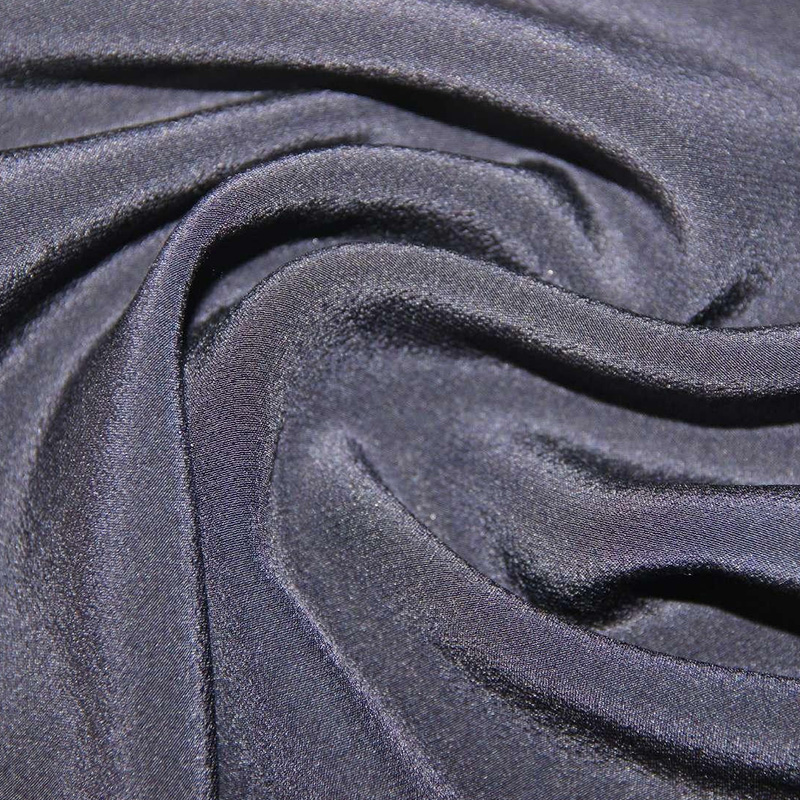
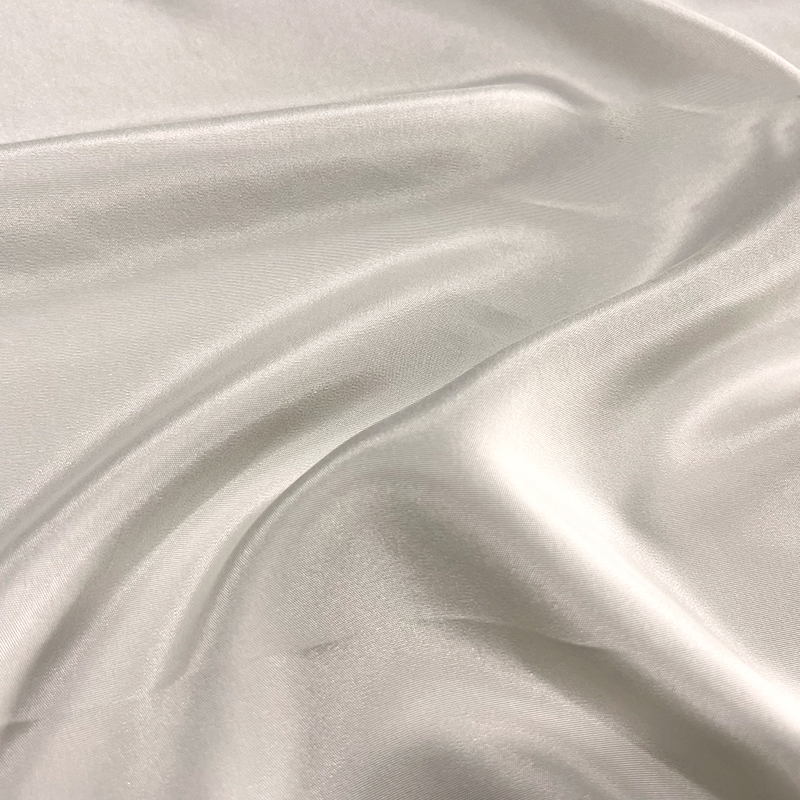
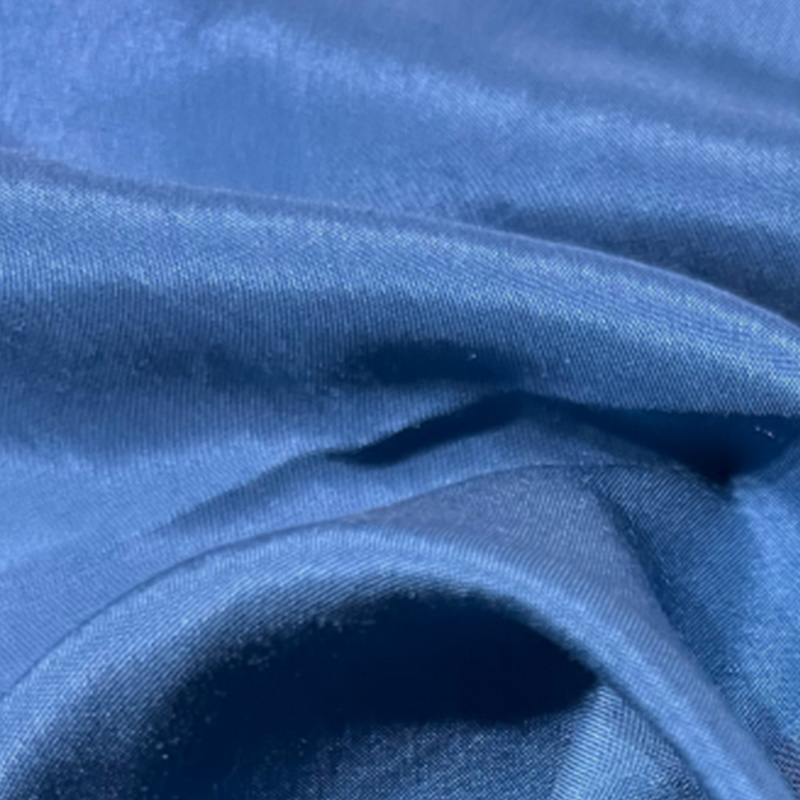
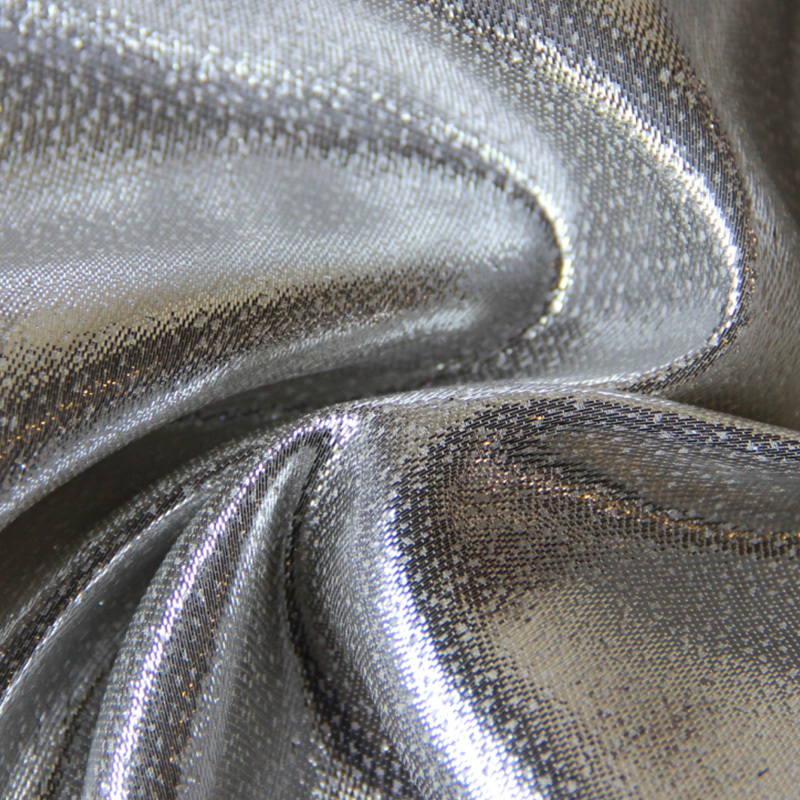
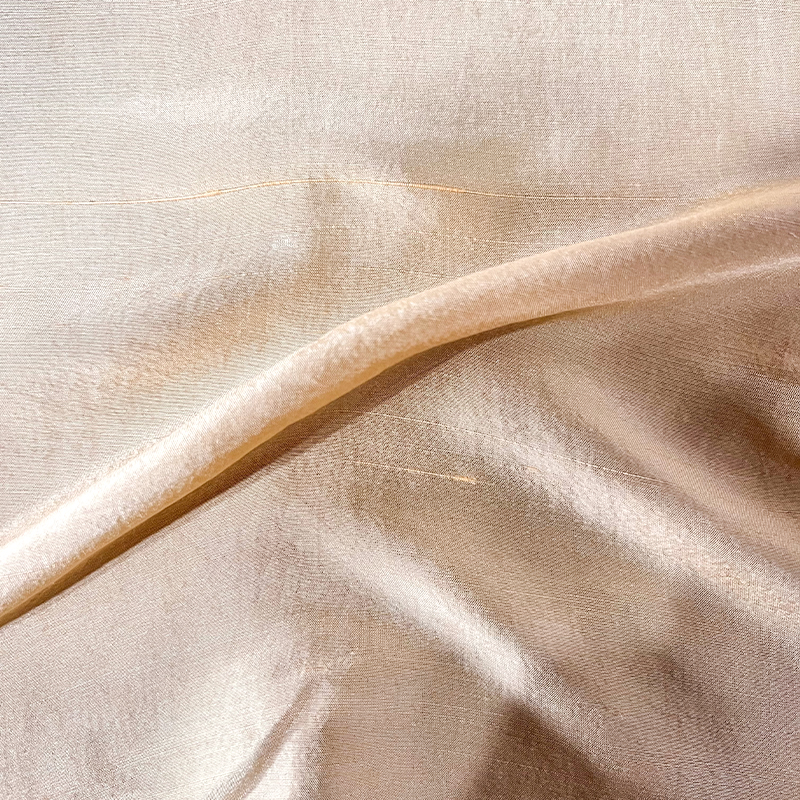
When discussing the pinnacle of textile luxury, Mulberry Silk Fabric stands alone as the gold standard. Derived from the cocoons of the Bombyx mori silkworm, which feeds exclusively on mulberry leaves, this material is renowned for its incredibly long, uniform fibers. Unlike wild silks, which can be coarse and irregular, mulberry silk offers a smooth, lustrous surface that drapes elegantly against the skin. The molecular structure of these fibers allows them to reflect light at different angles, creating the signature shimmer that defines high-end Silk Fabric.
Beyond its aesthetic appeal, the functional benefits of mulberry silk are substantial. It is naturally hypoallergenic, making it an ideal choice for individuals with sensitive skin or allergies. The protein structure of the fiber, known as sericin, repels dust mites and mold, contributing to a healthier sleeping environment when used in bedding. Furthermore, mulberry silk is a thermoregulator; it keeps the body cool in the summer and warm in the winter by trapping air within its fibers. This unique combination of comfort, health benefits, and visual splendor is why discerning consumers and Luxury Mulberry Silk Fabric Manufacturers prioritize this material above all others.
Exploring the Versatility of Silk Blend Fabric
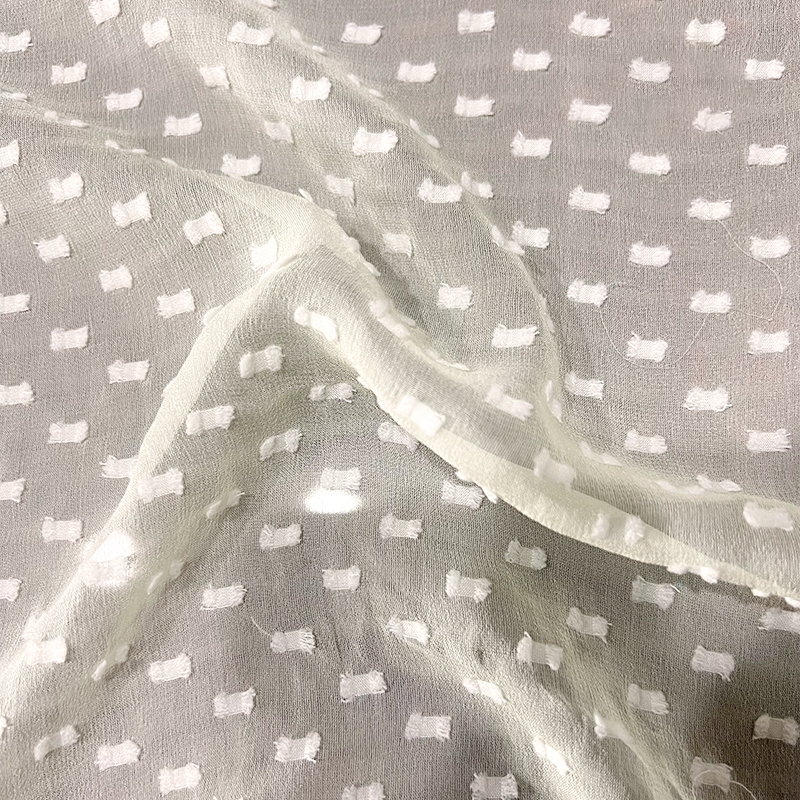
While pure silk is magnificent, it is not always the most practical choice for every application due to its delicacy and high cost. This is where Silk Blend Fabric enters the market as a revolutionary alternative. By combining silk fibers with other materials such as cotton, polyester, wool, or linen, manufacturers create textiles that retain the luxurious feel of silk while gaining the durability and ease of care of the partner fiber. For instance, a silk-cotton blend offers the breathability of cotton with the sheen of silk, making it perfect for summer shirts that need to withstand frequent washing.
The engineering behind silk blends allows for greater creativity in fashion and interior design. A silk-wool blend provides exceptional warmth without the itchiness often associated with pure wool, ideal for high-end winter suits. Meanwhile, silk-polyester blends are frequently used in upholstery and heavy drapery because they resist fading and wear much better than pure silk. China Silk Blend Fabric Suppliers and Factory operations have mastered the art of balancing these ratios, ensuring that the silk content remains high enough to provide that signature softness while the synthetic or natural blend adds structural integrity. This versatility makes silk blends a cornerstone of modern textile manufacturing.
Customization and Manufacturing Excellence in Suzhou
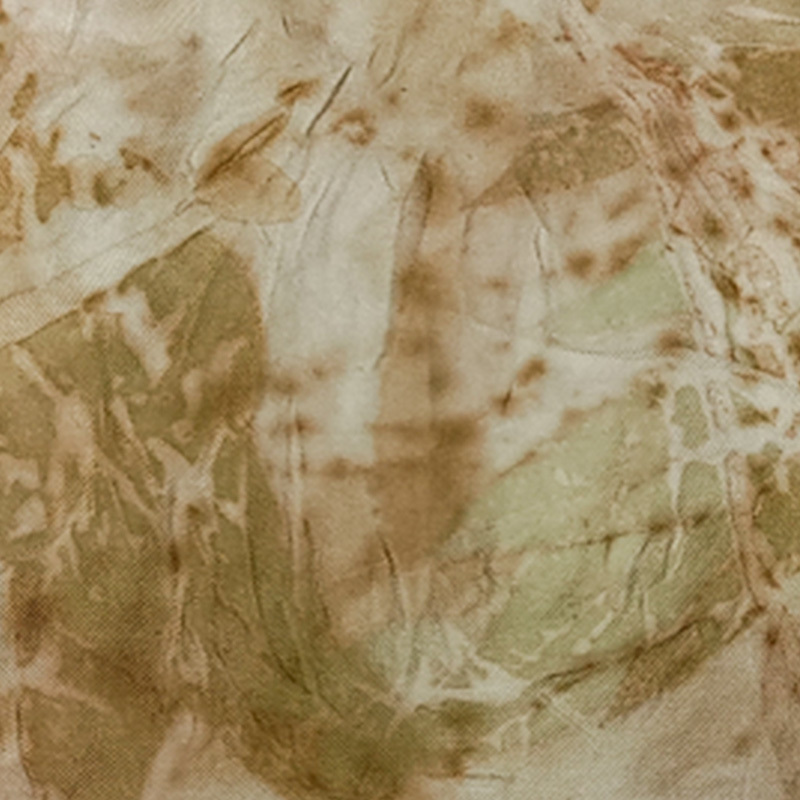
The heart of the global silk industry beats strongest in Suzhou, China, a city with a history of sericulture spanning thousands of years. Here, traditional craftsmanship meets modern technology. Suzhou Wangu Silk offer Custom Luxury Mulberry Silk and Blend Fabric solutions that cater to the specific needs of international brands and designers. The customization process is intricate, involving precise control over the weight (measured in momme), the weave pattern, and the dyeing techniques.
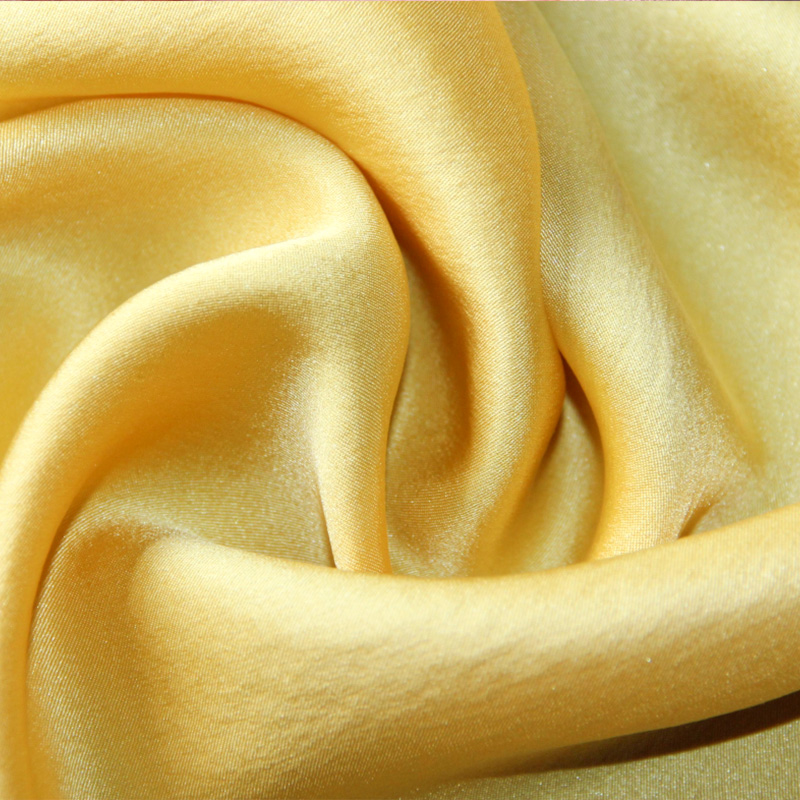
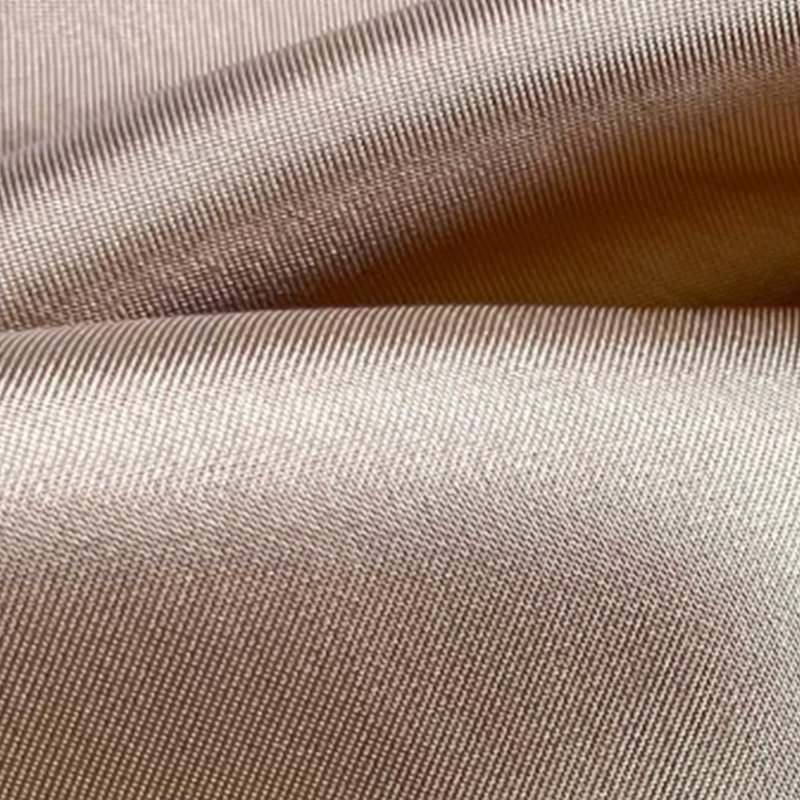
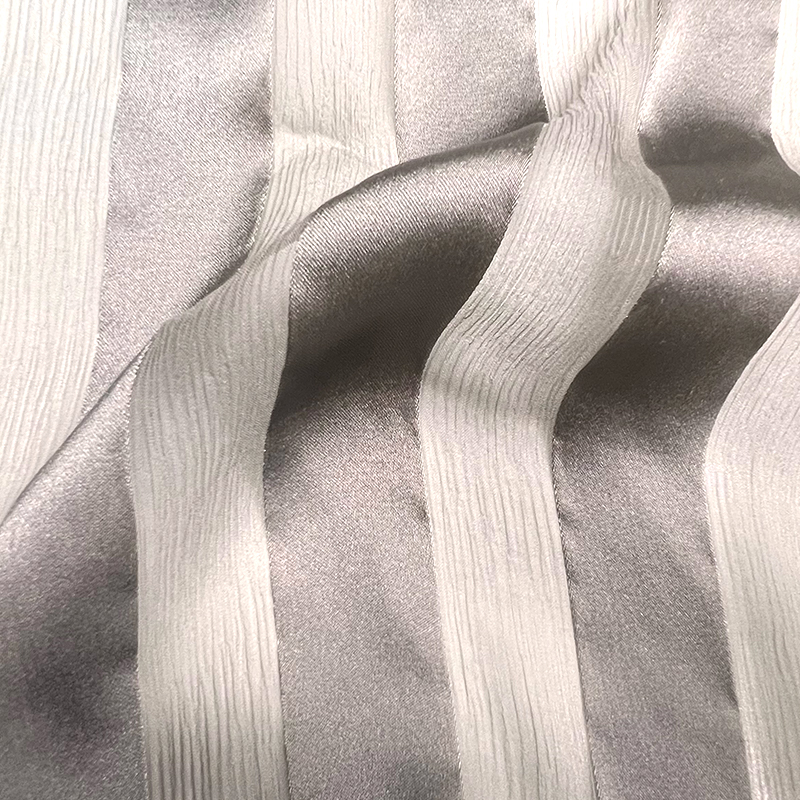
Manufacturers in this region utilize advanced looms to create various weaves such as Charmeuse, Habotai, Crepe de Chine, and Satin. Each weave offers a different hand-feel and drape. For example, Charmeuse is known for its glossy front and matte back, perfect for lingerie and evening gowns, while Crepe de Chine has a slightly pebbled texture that is less slippery and more matte. When working with a specialized factory, clients can request specific widths, custom prints, or even eco-friendly dyeing processes that adhere to strict environmental standards. This level of customization ensures that the final product aligns perfectly with the brand's vision, whether it is a flowing scarf or a structured blazer.
Comparing Pure Silk and Silk Blends
Choosing between pure mulberry silk and a silk blend often depends on the intended use of the garment or product. To help clarify the differences, the following table outlines the key characteristics of both fabric types.
| Feature | Mulberry Silk Fabric | Silk Blend Fabric |
| Texture | Extremely smooth, soft, and luxurious | Soft, but varies based on the blend material |
| Durability | Delicate; requires gentle handling | High; resistant to wrinkles and tearing |
| Care | Dry clean or hand wash only | Often machine washable depending on blend |
| Cost | High | Moderate to Affordable |
| Best Use | Luxury apparel, bedding, scarves | Daily wear, upholstery, linings |
Applications in Fashion and Home Decor
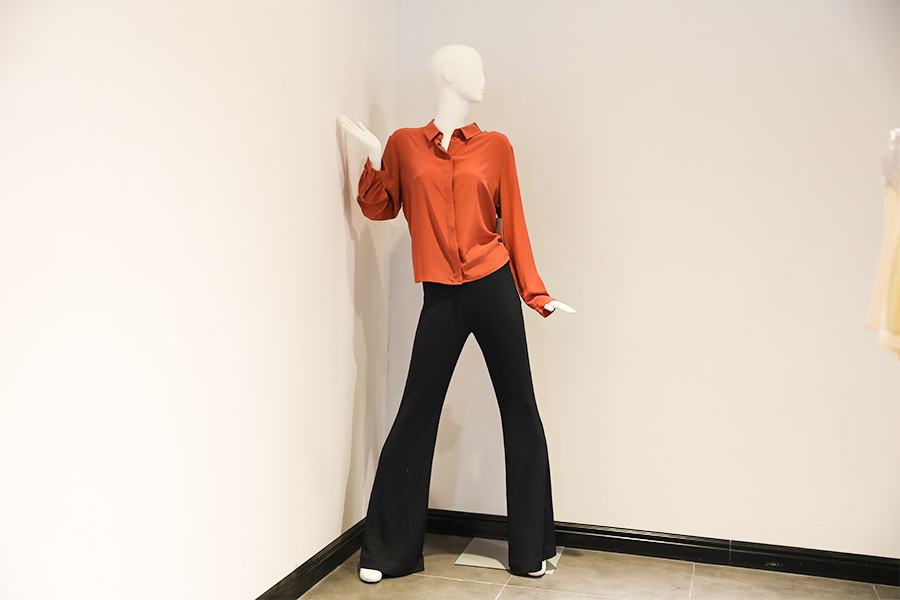
The application of these fabrics extends far beyond simple clothing. In the realm of high fashion, Silk Fabric is the preferred medium for evening wear, bridal gowns, and luxury lingerie due to its ability to catch light and move with the body. Designers often utilize heavy momme weights for structured jackets and lighter weights for flowing dresses. In the home decor sector, mulberry silk is synonymous with luxury bedding. Silk pillowcases are celebrated for reducing friction on hair and skin, preventing sleep lines and bedhead.
Conversely, silk blends have carved out a massive niche in everyday fashion and functional decor. Because they are easier to maintain, silk blends are frequently used for business attire, such as blouses and ties, which need to look crisp throughout the workday. In interior design, silk-blend curtains and upholstery fabrics offer the aesthetic of silk without the risk of sun damage or rapid degradation. This practical application ensures that the beauty of silk is accessible to a wider audience, not just those who can afford the maintenance of pure silk items.
Sourcing Strategies for Buyers
For businesses looking to source these materials, understanding the supply chain is crucial. When engaging with Luxury Mulberry Silk Fabric Manufacturers, it is important to verify the momme weight and the grade of the silk (typically Grade 6A is the highest). Buyers should also inquire about the dyeing methods; reactive dyes are preferred for their colorfastness and environmental safety. When sourcing blends, transparency regarding the percentage of silk versus synthetic fibers is vital to ensure the product meets quality expectations.
Partnering with established entities like China Silk Blend Fabric Suppliers and Factory networks ensures consistency and reliability. These suppliers often have vertical integration, meaning they control the process from raw silk reeling to final fabric finishing. This control allows for better quality assurance and faster turnaround times for custom orders. Whether you are a boutique fashion label or a large-scale home goods retailer, securing a direct line to manufacturers in hubs like Suzhou can significantly enhance product quality and profit margins.
In conclusion, the world of silk textiles offers a spectrum of choices ranging from the opulent purity of mulberry silk to the pragmatic elegance of silk blends. By understanding the distinct properties, manufacturing processes, and applications of each, buyers and designers can make informed decisions that elevate their products. With the support of expert manufacturers like Suzhou Wangu Silk, the potential for innovation in this timeless industry remains limitless.
 previous post