中文简体
中文简体 Français
 Deutsch
 italiano
Mulberry Silk & Silk Blend Fabric Guide
Content
- 1 What Makes Mulberry Silk Fabric the Gold Standard of Textile Luxury
- 2 The Protein Structure Behind Silk Fabric's Unique Performance
- 3 Key Weave Structures in Mulberry Silk Fabric Production
- 4 Silk Blend Fabric: Engineering Performance Through Fiber Combination
- 5 Momme Weight: The Essential Specification Parameter for Silk Fabric
- 6 Dyeing and Printing on Silk Fabric: Achieving Color Depth and Fastness
- 7 Care and Maintenance of Silk Fabric to Preserve Long-Term Quality
What Makes Mulberry Silk Fabric the Gold Standard of Textile Luxury
Mulberry silk fabric occupies an unrivaled position in the global textile hierarchy, recognized by designers, manufacturers, and consumers alike as the finest natural fiber material available for apparel, accessories, and home textile applications. Its preeminence derives from the highly controlled production process that begins with silkworms fed exclusively on the leaves of the white mulberry tree — a monoculture diet that produces cocoons with extraordinary filament uniformity, length, and luster that cannot be replicated by wild silk or other sericulture methods.
The filaments reeled from mulberry silkworm cocoons are among the finest natural fibers produced by any organism, with individual filament diameters typically ranging from 10 to 13 microns — finer than the finest merino wool and approaching the diameter of the finest cashmere. This exceptional fineness is the physical basis for mulberry silk fabric's characteristic handle: a smooth, almost frictionless surface against the skin, a fluid drape that responds to body movement with minimal resistance, and a natural luminosity that arises from the triangular cross-section of the silk fibroin protein, which refracts light in a manner that no synthetic fiber has successfully replicated. Wangu Silk, adhering to the high-end route in its product development philosophy, takes these intrinsic fiber qualities as the foundation upon which advanced textile engineering is built.
The Protein Structure Behind Silk Fabric's Unique Performance
Silk fabric's performance properties are a direct consequence of its protein composition. The silk fiber consists of two structural proteins — fibroin, which forms the solid filament core, and sericin, the gummy outer coating that bonds filaments within the cocoon and is largely removed during degumming in the processing stage. Fibroin's molecular structure — an antiparallel beta-sheet crystalline arrangement interspersed with amorphous regions — gives silk its combination of tensile strength, flexibility, and the hygroscopic behavior that makes wearing silk fabric so physiologically comfortable.
Mulberry silk fabric can absorb up to 30% of its weight in moisture without feeling damp, drawing perspiration away from the skin and releasing it to the surrounding atmosphere through evaporation — a moisture management mechanism that is entirely passive and requires no chemical finishing treatment. This natural moisture regulation, combined with silk's low thermal conductivity, produces a fabric that feels cool against the skin in warm conditions and provides gentle insulation in cooler environments. These thermoregulatory properties are the practical basis for silk's long historical association with both summer and winter luxury garments, and explain why silk fabric remains a technically relevant choice in modern performance-conscious fashion design alongside its aesthetic merits.
Key Weave Structures in Mulberry Silk Fabric Production
The weave structure applied to mulberry silk yarn determines the fabric's surface character, weight, drape, and end-use suitability as significantly as the fiber quality itself. Understanding the principal silk fabric weave types is essential for designers, buyers, and manufacturers specifying silk for particular applications.
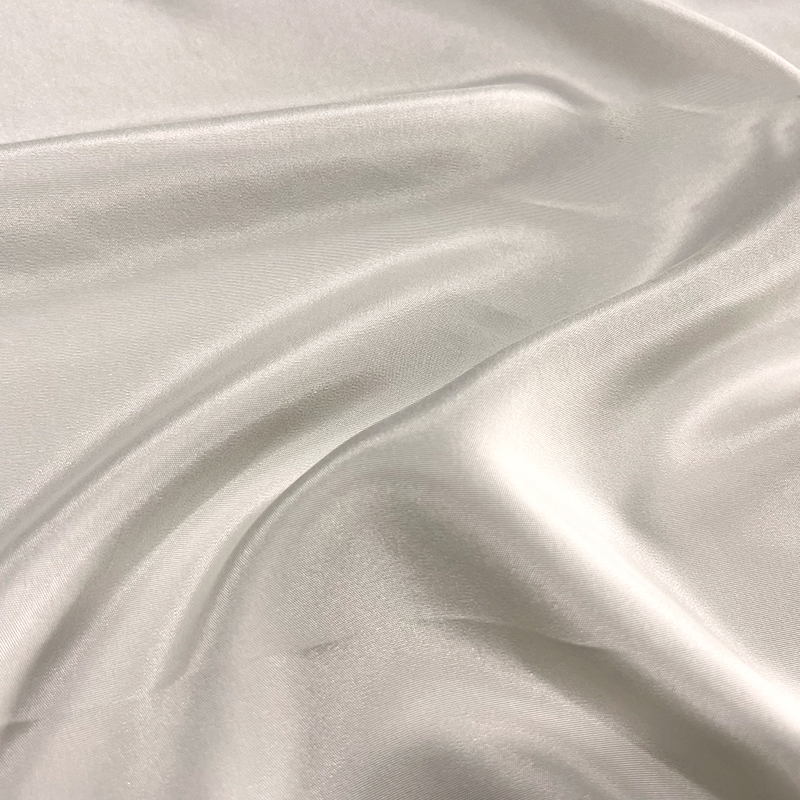
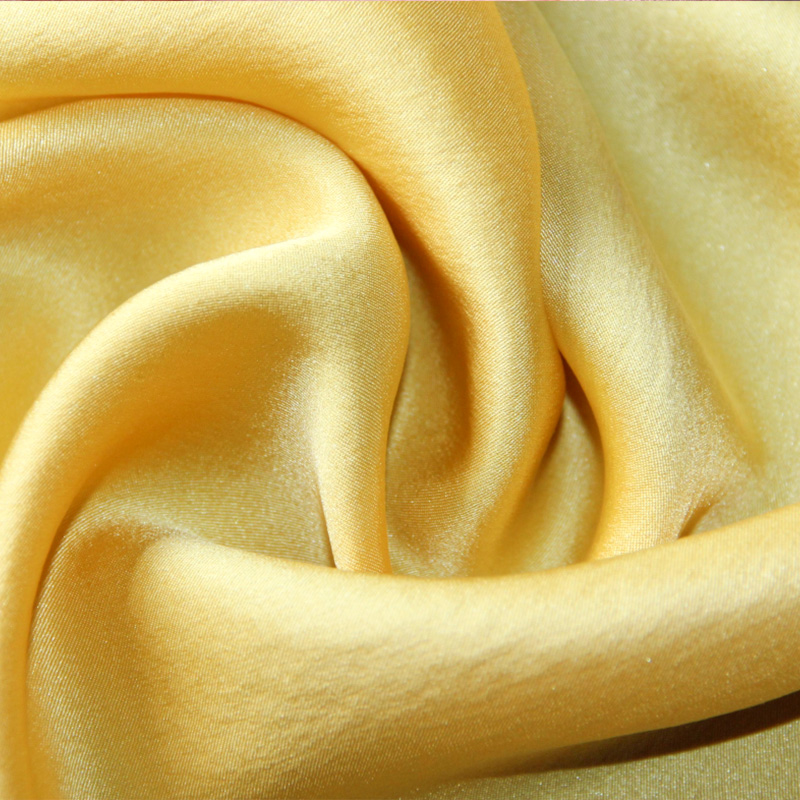
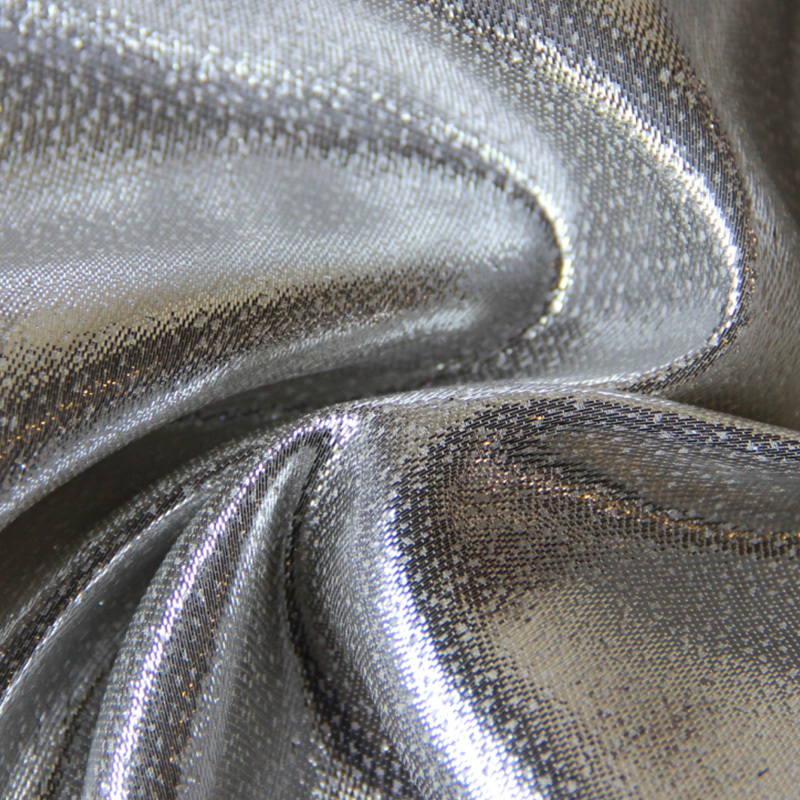
- Charmeuse — A satin-weave construction in which the warp yarns float over multiple weft yarns, creating a smooth, highly reflective face and a dull matte back. Charmeuse mulberry silk fabric is the dominant choice for luxury lingerie, bias-cut evening wear, and premium bedding, valued for its liquid drape and skin-smoothing surface. The long floats that create its luster also make it susceptible to snags, requiring careful handling in cutting and sewing.
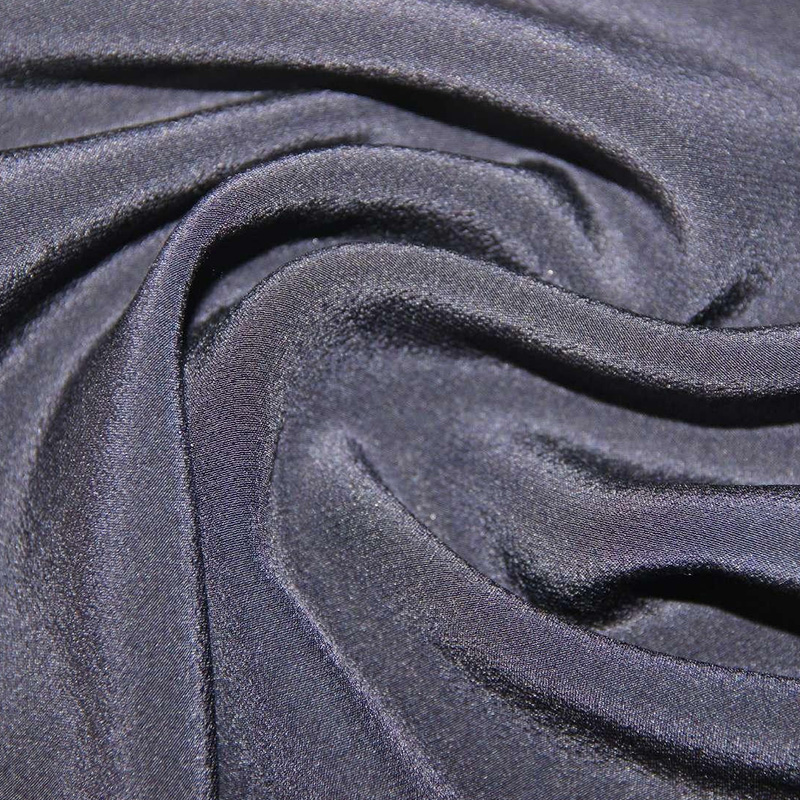
- Crepe de Chine — Produced using highly twisted crepe yarns in the weft direction, creating a subtly pebbly, matte surface with excellent drape and recovery. Crepe de Chine silk fabric is more forgiving in construction than charmeuse and is widely used for blouses, dresses, and scarves where a refined but less overtly lustrous appearance is desired. Its surface texture also conceals minor imperfections in cutting and sewing, making it more accessible for production at scale.
- Habotai (China Silk) — A lightweight plain-weave silk fabric with a smooth, even surface and soft hand. Habotai is the most cost-effective mulberry silk fabric construction and is widely used for linings, scarves, and printing substrates where silk's aesthetic qualities are required without the weight or drape depth of heavier constructions.
- Dupioni — Woven from irregular dupion yarns reeled from double cocoons, producing a fabric with a characteristic slubby texture and crisp hand. Dupioni silk fabric has a natural, organic visual character distinct from the smooth luxury of charmeuse, making it popular for structured garments, bridal wear, and interior applications where a textured, dimensional surface is the design objective.
- Organza — A sheer, crisp plain-weave fabric made from tightly twisted yarns with minimal yarn count, producing a stiff, transparent construction with high dimensional stability. Organza silk fabric is used for structured overlays, volume in evening wear, and decorative applications where form-holding is required alongside the visual qualities of silk.
Silk Blend Fabric: Engineering Performance Through Fiber Combination
Silk blend fabric represents one of the most technically sophisticated categories within the broader silk textile market, combining mulberry silk's inherent sensory and aesthetic properties with the complementary performance characteristics of other fibers to produce materials that outperform either component fiber alone in specific application requirements. The development of innovative silk blend fabric constructions is a defining characteristic of leading manufacturers — Wangu Silk's commitment to constantly strengthening its research and development capabilities and striving to be one step ahead in the application of new technologies and new materials is precisely reflected in the quality and breadth of its silk blend fabric range.
Silk and Cotton Blends
Silk-cotton blend fabrics combine silk's luster and smooth hand with cotton's absorbency, structural stability, and ease of care. The resulting fabric is more dimensionally stable than pure silk, less prone to water spotting, and easier to launder without professional care — while retaining the refined surface quality and drape that distinguishes it from all-cotton constructions. Silk-cotton blends are particularly popular for shirts, lightweight suiting, and daywear applications where the demands of regular wear and laundering make pure silk impractical.
Silk and Wool Blends
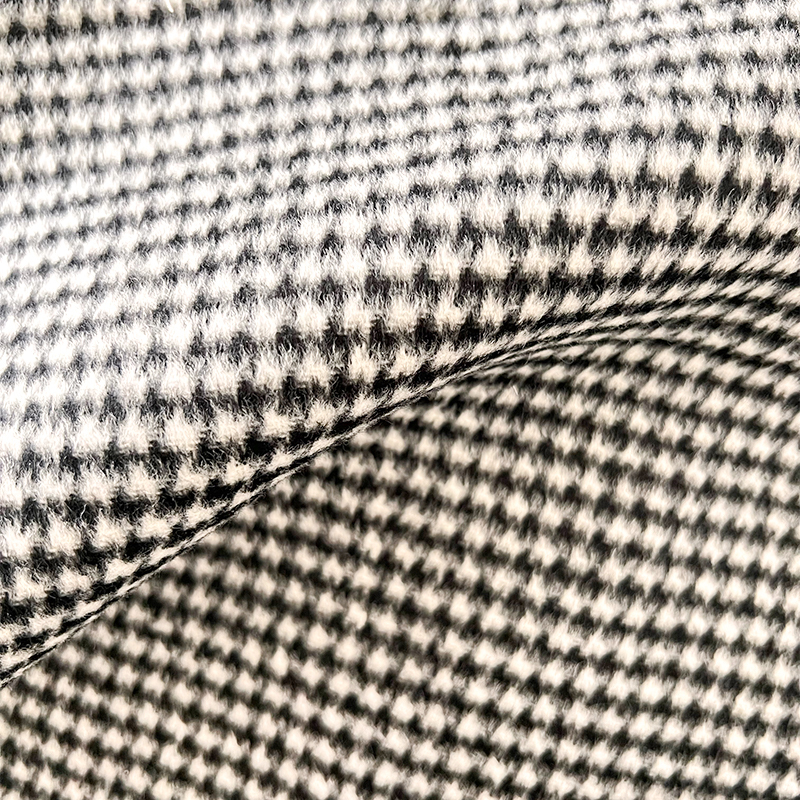
Combining silk with fine wool — merino, cashmere, or superfine lambswool — produces silk blend fabrics with exceptional thermal insulation, soft hand, and natural elasticity that pure silk cannot deliver. The silk component contributes luster, reduces the itchiness associated with coarser wool grades, and improves the fabric's drape and surface smoothness. Silk-wool blends are widely used in luxury knitwear, suiting fabrics, and travel accessories where warmth, comfort, and packability are simultaneously required.
Silk and Synthetic Fiber Blends
Strategic blending of mulberry silk with high-performance synthetic fibers — polyester, nylon, or elastane — addresses specific functional gaps in pure silk's performance profile. Adding 3–5% elastane to a silk charmeuse or crepe de Chine construction introduces stretch recovery that allows bias-cut garments to accommodate a wider range of body movements without distortion of the bias grain — a practical construction advantage that has made silk-elastane blends a staple of contemporary luxury ready-to-wear. Silk-polyester blends, when engineered with microfiber polyester components, can achieve surface qualities approaching those of pure mulberry silk fabric at reduced cost, expanding access to silk aesthetics across broader market price points.
Momme Weight: The Essential Specification Parameter for Silk Fabric
Momme (mm) is the weight measurement standard specific to silk fabric, expressing the weight in pounds of a piece of silk measuring 45 inches wide by 100 yards long. Understanding momme weight is essential for anyone specifying or sourcing silk fabric, as it directly determines the fabric's weight, opacity, durability, and appropriate end use.
| Momme Range | Fabric Character | Typical Applications |
| 6–8 mm | Very lightweight, sheer | Organza, linings, scarf substrates |
| 10–14 mm | Lightweight, semi-sheer | Habotai, blouses, scarves, printed silk |
| 16–19 mm | Medium weight, opaque | Charmeuse, crepe de Chine, dresses |
| 22–25 mm | Medium-heavy, substantial drape | Bedding, luxury loungewear, tailoring |
| 30 mm+ | Heavy, durable, opaque | Premium bedding, upholstery, outerwear |
For mulberry silk bedding — one of the fastest-growing premium home textile categories — 22 momme is the widely accepted minimum specification for quality products, with 25 momme and above recommended for pillowcases and duvet covers that must withstand frequent washing while maintaining their surface smoothness and color depth. Silk blend fabric constructions blending mulberry silk with cotton or synthetic fibers are often specified at equivalent or slightly higher momme weights to account for the density contribution of the blended fiber component.
Dyeing and Printing on Silk Fabric: Achieving Color Depth and Fastness
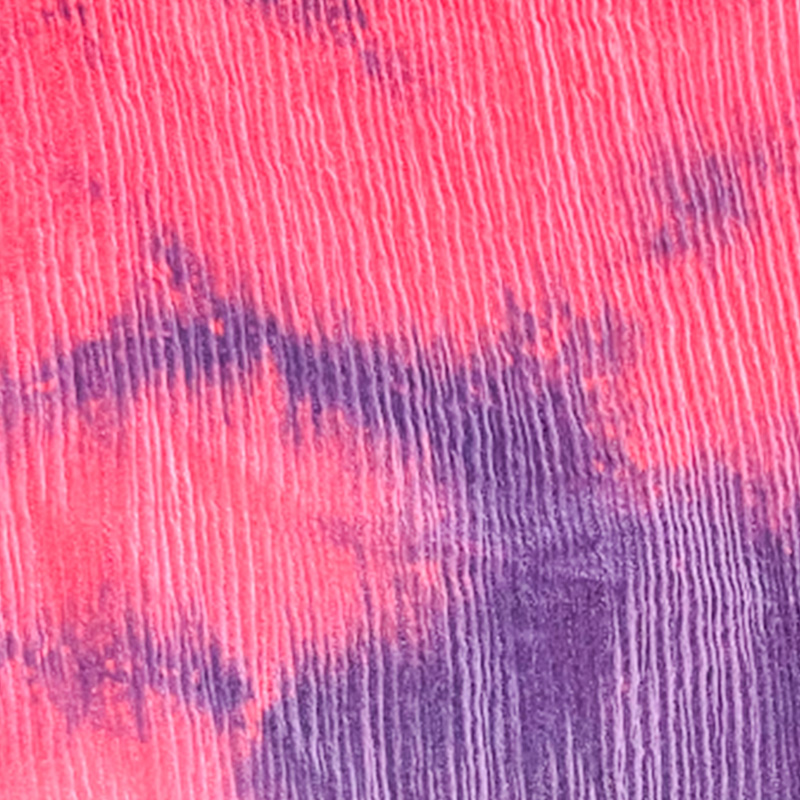
The dyeing and printing of silk fabric requires a fundamentally different approach from synthetic fiber processing, reflecting silk fibroin's protein chemistry and the fiber's sensitivity to the alkaline conditions, high temperatures, and mechanical agitation that synthetic fiber dyeing routinely employs. Acid dyes — so named because they are applied in an acid pH environment rather than because they are chemically acidic in hazard terms — are the primary dye class for mulberry silk fabric, bonding to the amine groups in the fibroin protein through ionic and hydrogen bonding to produce a wide gamut of colors with good wash and light fastness when correctly fixed.
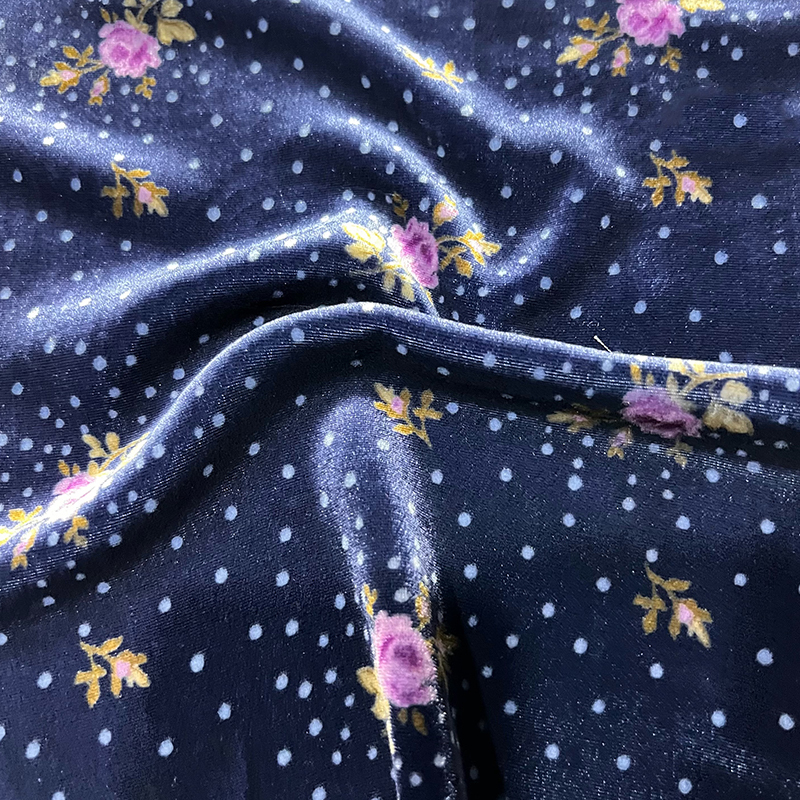
Digital inkjet printing on silk fabric has transformed the design possibilities available to silk fabric manufacturers and fashion brands, enabling photographic-quality, multi-color designs with unlimited repeat sizes to be produced on short runs without the screen preparation cost and minimum order quantities associated with traditional rotary or flat-bed screen printing. The precise ink deposit control of digital printing also reduces waste compared to screen printing, aligning with the sustainability commitments that are increasingly central to luxury brand positioning. Wangu Silk's ongoing investment in new technologies extends to digital printing capability that enables rapid design development and sampling — a competitive advantage in the international high-end fashion brand market where speed to market on new patterns is a decisive commercial factor.
Care and Maintenance of Silk Fabric to Preserve Long-Term Quality
Proper care is essential to maintaining the appearance, hand, and structural integrity of mulberry silk fabric and silk blend fabric through years of use. Silk's protein structure is vulnerable to specific conditions — alkaline detergents, chlorine bleach, prolonged exposure to direct sunlight, and high-temperature washing — that cause irreversible fiber damage expressed as color change, loss of luster, and physical weakening of the fabric structure.
- Washing — Hand washing in cool water (below 30°C) with a pH-neutral, silk-specific detergent is the safest approach for pure mulberry silk fabric. Many silk blend fabrics — particularly silk-polyester and silk-cotton blends — are machine washable on a delicate cycle in a mesh laundry bag, but always verify the specific fabric's care label before machine washing.
- Drying — Roll silk fabric in a clean towel to remove excess water without wringing, then lay flat or hang to dry away from direct sunlight and heat sources. Direct sunlight degrades silk fibroin over time, causing yellowing and fiber weakening that is cumulative and irreversible.
- Ironing — Iron silk fabric while slightly damp on the reverse side using a cool iron setting (below 150°C), without steam, which can cause water spotting on smooth-weave constructions such as charmeuse. A pressing cloth between the iron and fabric face provides additional protection against shine marks.
- Storage — Store silk fabric and silk garments in breathable fabric bags or wrapped in acid-free tissue paper, away from direct light and moisture. Avoid prolonged compression under heavy items, which can flatten the fabric's natural loft and surface character over time.
 previous post