中文简体
中文简体 Français
 Deutsch
 italiano
Noil Silk Yarn: Characteristics, Fabric Performance & How It Compares to Mulberry Silk
Not every silk story begins with a perfect cocoon. Noil silk yarn starts where the conventional spinning process ends — with the short, tangled fibers that can't be reeled into continuous filament. Collected, re-processed, and spun into staple yarn, these fibers produce something the main silk line never could: a yarn with uneven thickness, visible knots, and a surface texture that turns into one of the most distinctively appealing fabrics in the mid-range textile market.
Content
What Is Noil Silk Yarn and How Is It Made
Noil silk yarn originates as a byproduct of mulberry silk production. During the combing and degumming stages of conventional silk processing, short fibers — too irregular and fragmented to be reeled into the long continuous filaments used for standard silk fabrics — are separated out. These leftovers, known as noils, would otherwise be discarded.
Instead, they are collected and re-processed using a spinning method closer to how cotton or wool is handled than how filament silk is produced. The short staple fibers are carded, drafted, and twisted together into a yarn. Because the raw material is inherently variable — short lengths, mixed fiber diameters, occasional remnants of sericin and pupa — the resulting yarn carries that variability into its structure. Uneven thickness and natural knots along the yarn body are not manufacturing defects; they are the defining characteristics of noil silk yarn. Every meter is slightly different from the last, which is precisely what makes the fabric woven from it visually interesting.
The yarn is 100% silk in fiber content, sharing the same protein base as its filament counterpart. What differs entirely is the fiber length, the spinning process, and — as a direct consequence — the aesthetic and performance profile of the finished textile.
Yarn Characteristics: Uneven Thickness, Neps, and Matte Surface
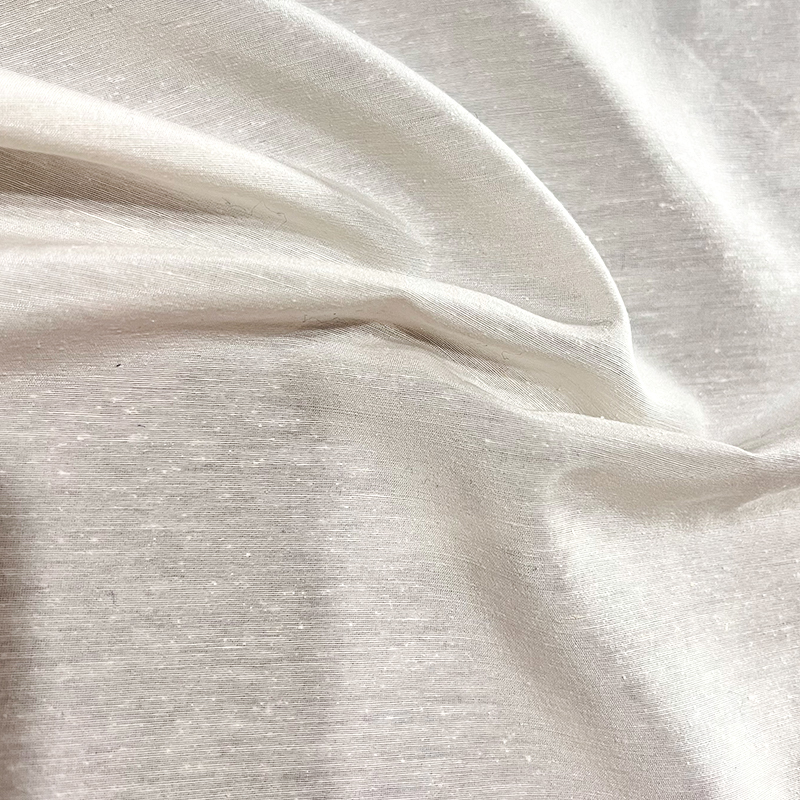
Pick up a cone of noil silk yarn and the first thing you notice is its surface. Unlike the smooth, tightly twisted cylinders of spun mulberry silk, noil yarn has a rustic, irregular profile. Thick sections alternate with thinner ones along the same strand. Small neps — compact tangles of short fiber — appear at irregular intervals, creating the characteristic bumps that will later show up as texture on the fabric face.
The surface finish is consistently matte. Mulberry silk filament yarn derives its famous luster from the triangular cross-section of the fibers, which act as prisms reflecting light across the surface. In noil yarn, the short staple fibers are oriented in multiple directions, scattering rather than reflecting light. The result is a warm, subdued appearance with none of the high sheen associated with conventional silk — which is, for a significant segment of the market, exactly what the designer or buyer is looking for.
Tensile strength is lower than filament silk, which has practical implications for fabric construction. Noil yarn performs well as weft and in balanced-weave structures, but high-tension warp applications benefit from a stronger yarn alongside it. For most standard apparel fabric constructions — plains, twills, and loose weaves — strength is not a limiting factor in typical end-use conditions.
| Property | Noil Silk Yarn | Mulberry Silk Filament Yarn |
|---|---|---|
| Fiber length | Short staple (1–8 mm) | Continuous filament (600–1,500 m) |
| Yarn evenness | Uneven, with neps and slubs | Uniform, smooth |
| Surface finish | Matte, earthy | High luster, luminous |
| Spinning method | Staple spinning (like cotton/wool) | Reeling / filament twisting |
| Relative cost | Significantly more competitive | Premium pricing |
From Yarn to Fabric: What Noil Silk Feels and Drapes Like
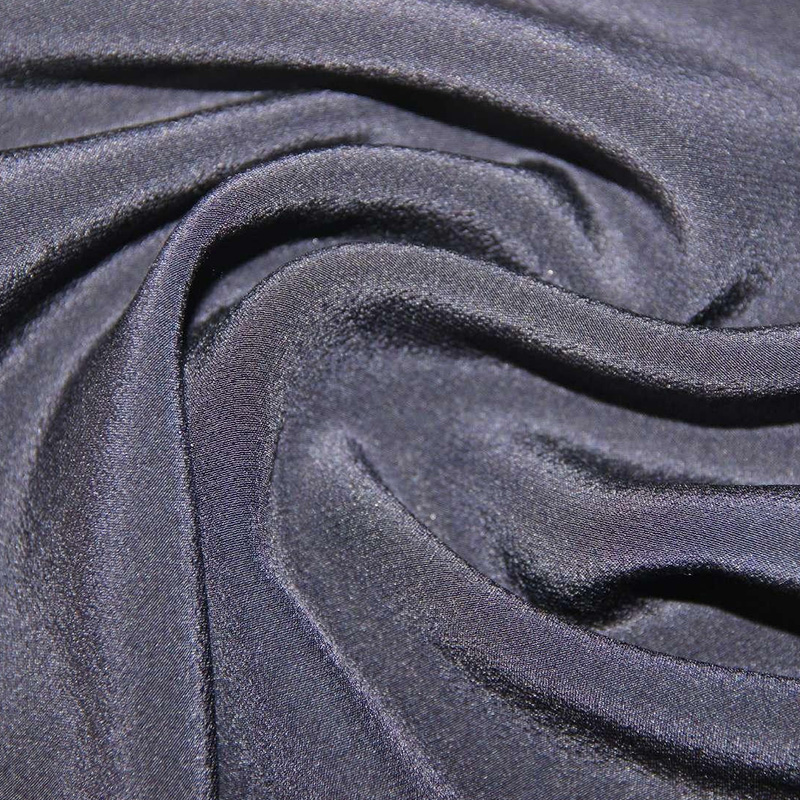
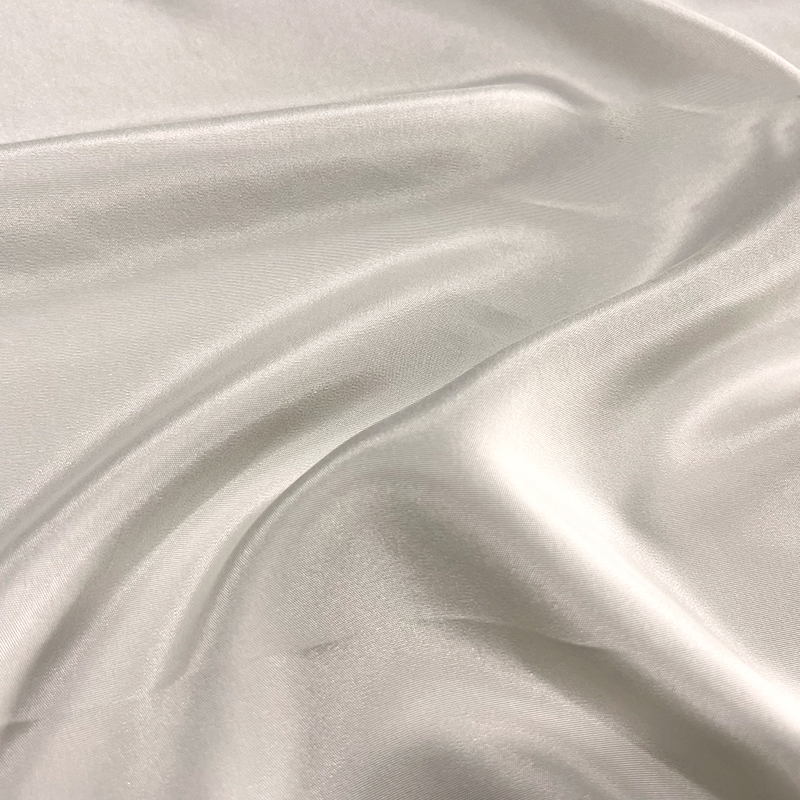
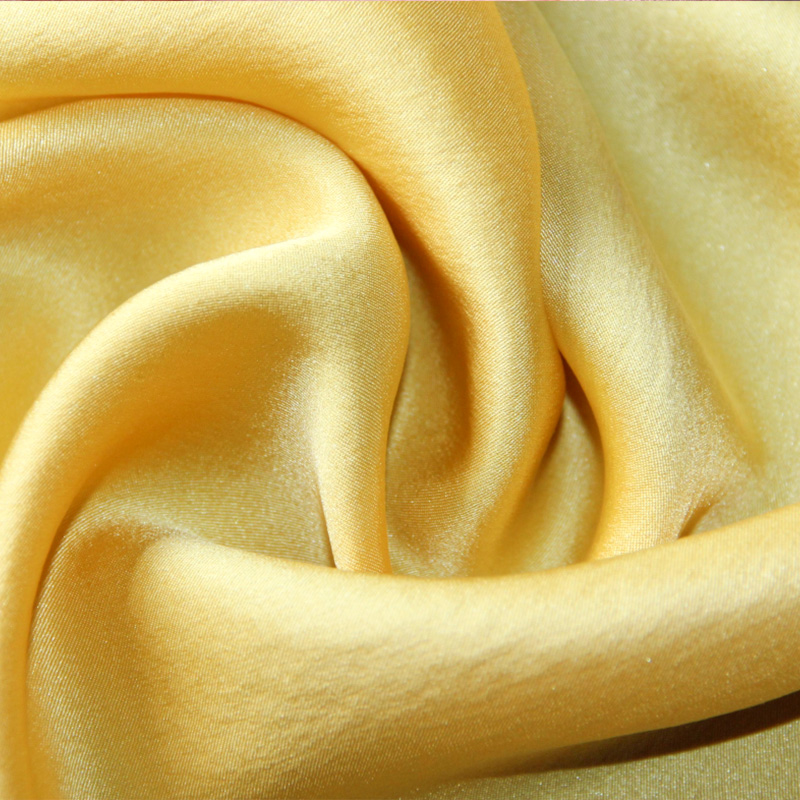
The translation from yarn to fabric is where noil silk surprises most buyers encountering it for the first time. The nubby, irregular yarn might suggest a coarse or scratchy result. The actual fabric is neither. Noil silk fabric has a notably soft hand feel — warmer and more tactile than smooth filament silk, with a slightly fuzzy surface that sits comfortably against skin.
Drape is one of noil silk fabric's strongest performance attributes. Despite the irregular yarn structure, the fabric flows and moves well — the inherent flexibility of silk protein fibers carries through even in short staple form. Garments cut from noil silk fabric fall cleanly and move with the body rather than holding a rigid shape. This quality makes it particularly well suited to relaxed silhouettes, wrap styles, and fluid cuts that depend on the fabric doing some of the design work.
Breathability is excellent. The open structure of the staple-spun yarn, combined with silk's natural moisture management properties, produces a fabric that handles heat and humidity better than many synthetic alternatives at similar price points. It is a genuinely practical choice for warm-weather wear — not just an aesthetic one. You can explore the range of available constructions and weights directly through the noil silk fabric collection spanning multiple weave structures and fabric weights.
One additional handling advantage that often goes unmentioned: noil silk fabric does not slip during cutting and sewing the way charmeuse or crepe de chine does. Its slightly textured surface provides enough grip that working with it is considerably more forgiving — a practical benefit both for garment manufacturers and for smaller production runs.
Fabric Applications: Where Noil Silk Yarn Performs Best
The application profile of noil silk fabric is broad, shaped by its combination of soft hand, good drape, approachable price, and distinctive surface texture. Several categories stand out as natural fits.
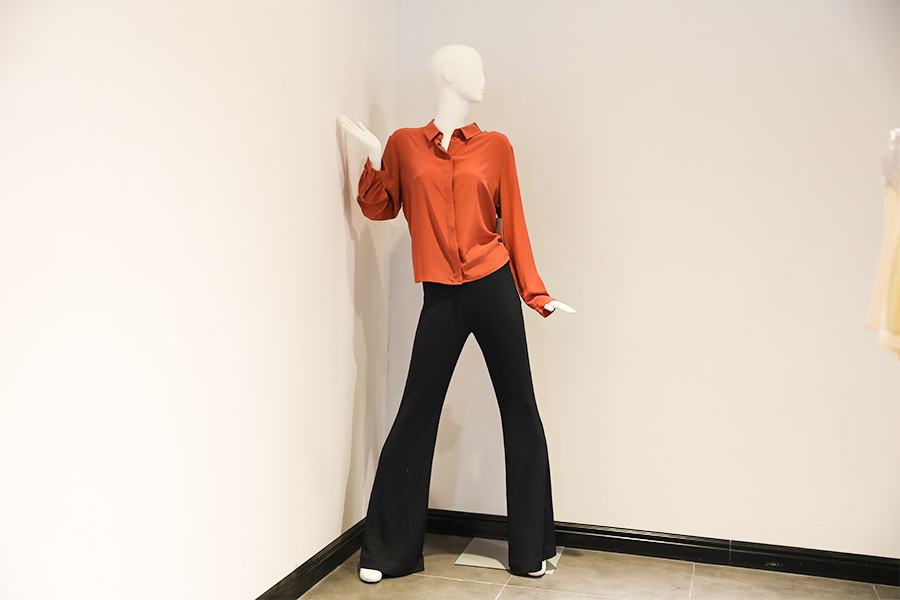
Casual and resort apparel is the largest end-use segment. Shirts, blouses, relaxed trousers, and summer dresses in noil silk offer the comfort and breathability of silk without the price point or the care anxiety of high-grade mulberry fabrics. The matte, slightly earthy aesthetic suits the tonal palettes common in contemporary casual luxury — natural, undyed, or softly overdyed colorways work particularly well because the nep texture adds visual depth that plain-dyed smooth fabrics cannot match.
Scarves, wraps, and accessories are another strong category. The combination of soft drape and surface interest makes noil silk a compelling scarf fabric — it behaves beautifully in the hand and photographs well, with the nep texture adding a handcrafted quality that appeals to buyers across both mass-market and designer segments. Browse the full range of silk and blend fabrics to see how noil sits alongside other silk categories for multi-fabric accessory collections.
Home textiles — cushion covers, light drapery, decorative throws — benefit from noil silk's textural character. The nep surface adds visual complexity to flat panels in a way that smooth silk cannot, and the material's natural breathability makes it practical for upholstery in temperate climates.
Where noil silk is not the right choice: applications where high luster is a design requirement (evening wear with a liquid finish, bridal fabrics requiring sheen), or constructions demanding very high warp tension and tensile consistency. In these cases, filament spun silk or mulberry satin weaves are the appropriate call.
Noil Silk Yarn vs Mulberry Silk Yarn: Price, Feel, and Fit
The comparison between noil silk and mulberry silk is frequently framed as a quality hierarchy — noil as the budget option, mulberry as the premium. That framing misses the point. They are different textiles with different characters, suited to different applications. The question is fit, not rank.
On price, the difference is substantial. Noil silk yarn is derived from fiber that would otherwise be waste — a byproduct of the filament spinning process rather than a primary harvest. That origin translates directly into cost: noil silk fabric is significantly more price-competitive than equivalent-weight mulberry silk, often at a fraction of the cost for comparable fabric weight. For buyers building a product line where silk's comfort and natural fiber credentials matter but the price needs to work at mid-market retail, noil silk opens access to the silk category that pure mulberry pricing closes off.
On feel, mulberry silk filament fabric is smoother, cooler against the skin, and carries the high luster that defines the classical silk aesthetic. It is the right choice for garments where that specific sensory profile is the product — luxury sleepwear, high-end scarves, couture linings. Noil silk is warmer, slightly more textured, and decidedly matte. It suits a different design intention: relaxed, tactile, grounded rather than glossy.
For buyers who need both aesthetics in a product range, the two work well as a coordinated pair. Spun silk fabric options for smoother, more uniform constructions and mulberry silk fabric for premium luster-forward applications each address a distinct price and aesthetic tier — with noil silk filling the mid-market textured category that neither of them covers.
 previous post