中文简体
中文简体 Français
 Deutsch
 italiano
Noil Silk Fabric: Surface Texture, Drape, Applications & Comparison with Mulberry Silk
Fabric buyers encountering noil silk for the first time often do so through a sample that challenges their assumptions about what silk should look like. No mirror-bright sheen. No perfectly uniform weave surface. Instead: a matte, slightly textured face scattered with small nubs, a weight that feels grounded rather than slippery, and a drape that moves with quiet confidence. This is noil silk fabric — and for a growing segment of the apparel and home textile market, these are features, not compromises.
Content
What Gives Noil Silk Fabric Its Distinctive Surface
The surface character of noil silk fabric is determined entirely by its yarn. Noil silk yarn is spun from the short staple fibers — typically 1 to 8 mm in length — that are separated out during the combing stage of mulberry silk processing. These fibers are too short and irregular for continuous filament reeling, so they are collected and re-spun using a staple spinning method similar to cotton processing.
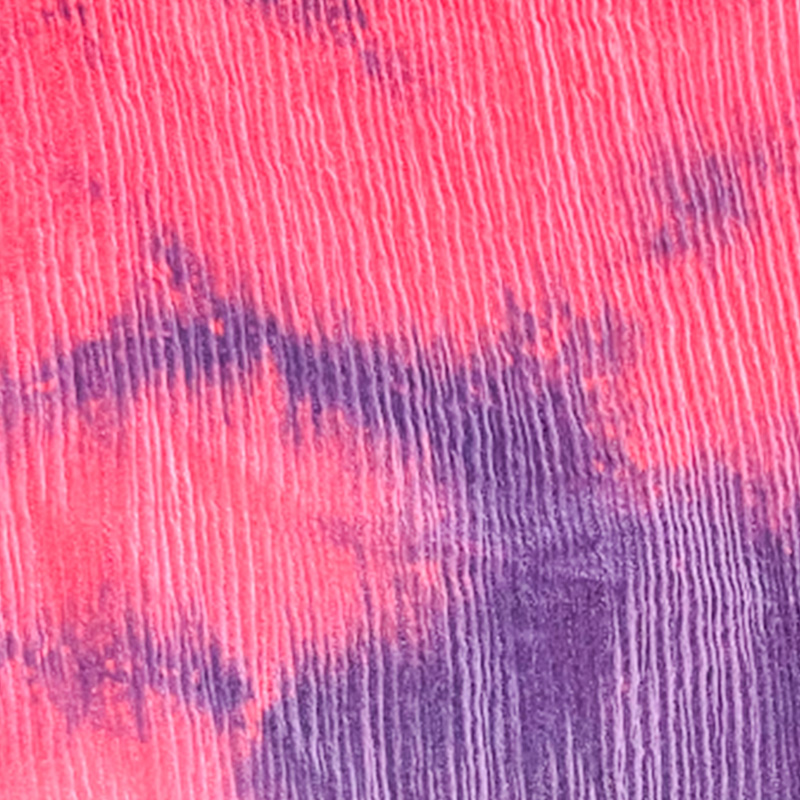
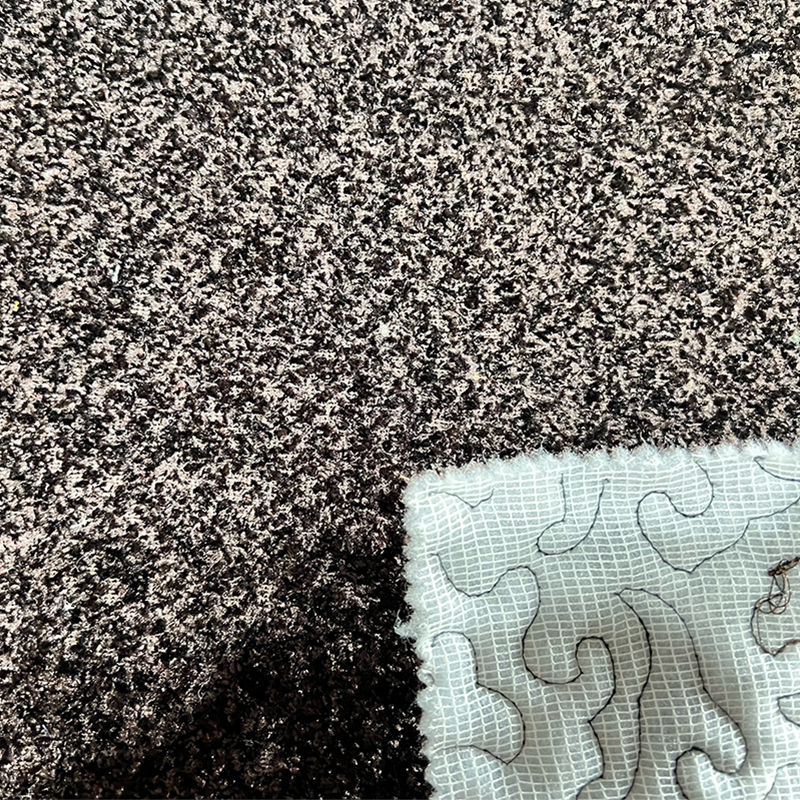
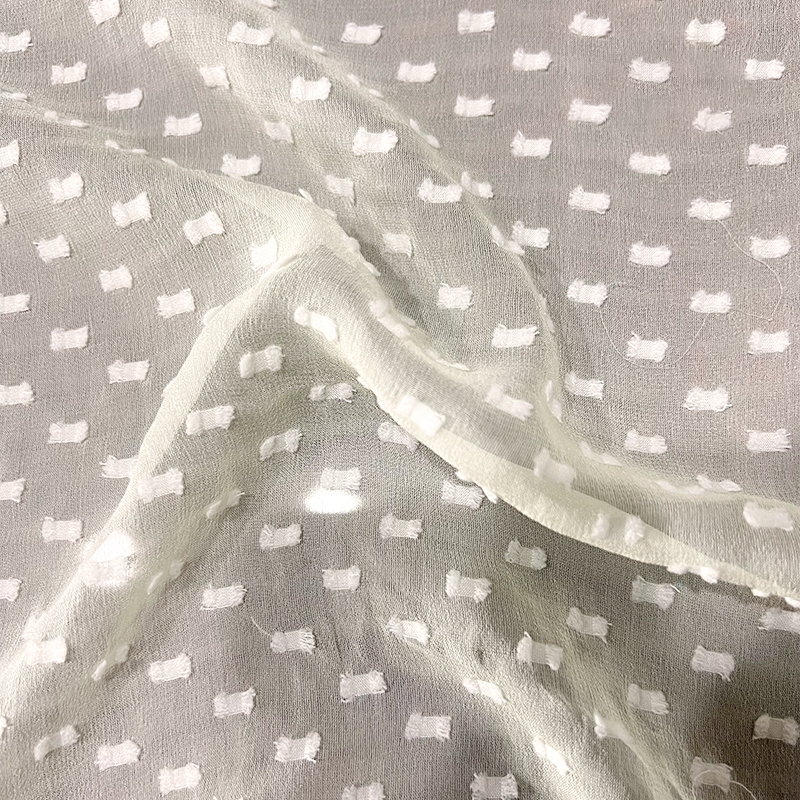
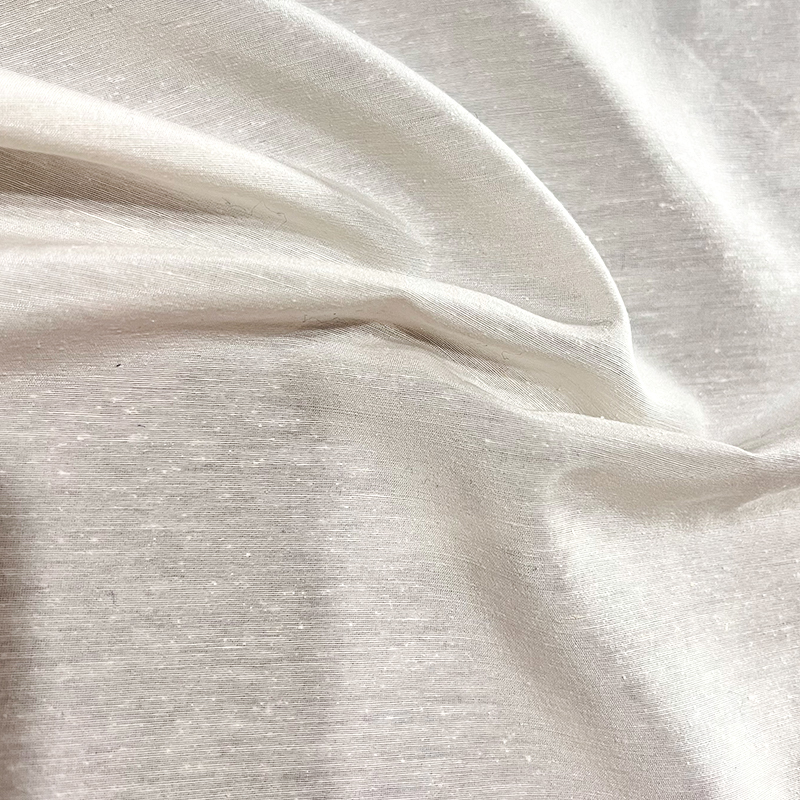
Because the input fiber is inherently variable, the yarn carries that variability forward. Thickness changes along the strand. Compact clusters of fiber — neps — form at irregular intervals and become embedded in the woven structure. On the finished fabric face, these neps appear as small raised bumps distributed across the surface, giving the cloth a texture that ranges from subtly nubbly in fine-count constructions to more pronouncedly rustic in heavier weights.
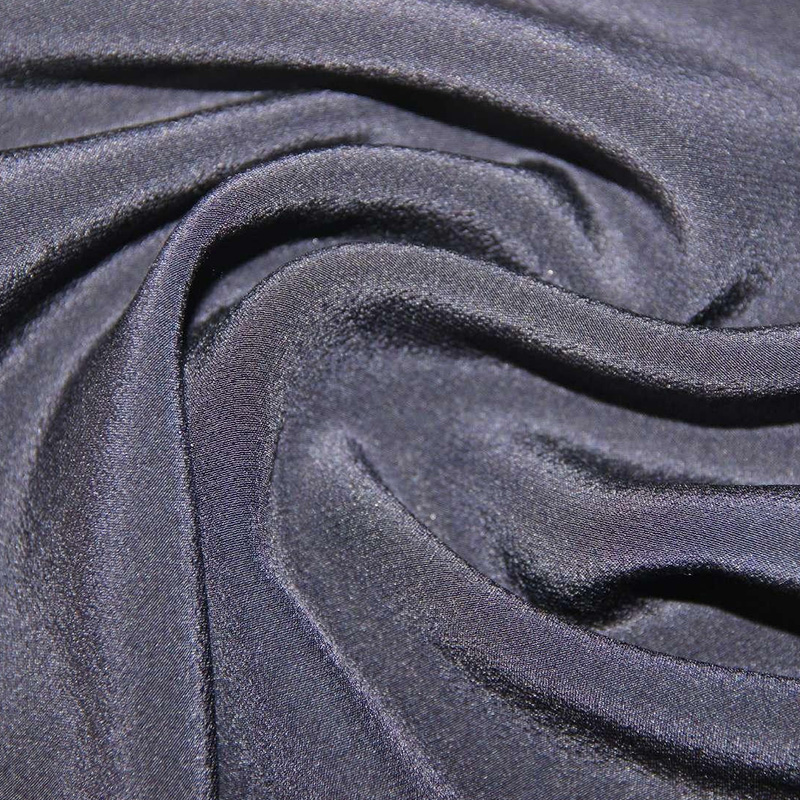
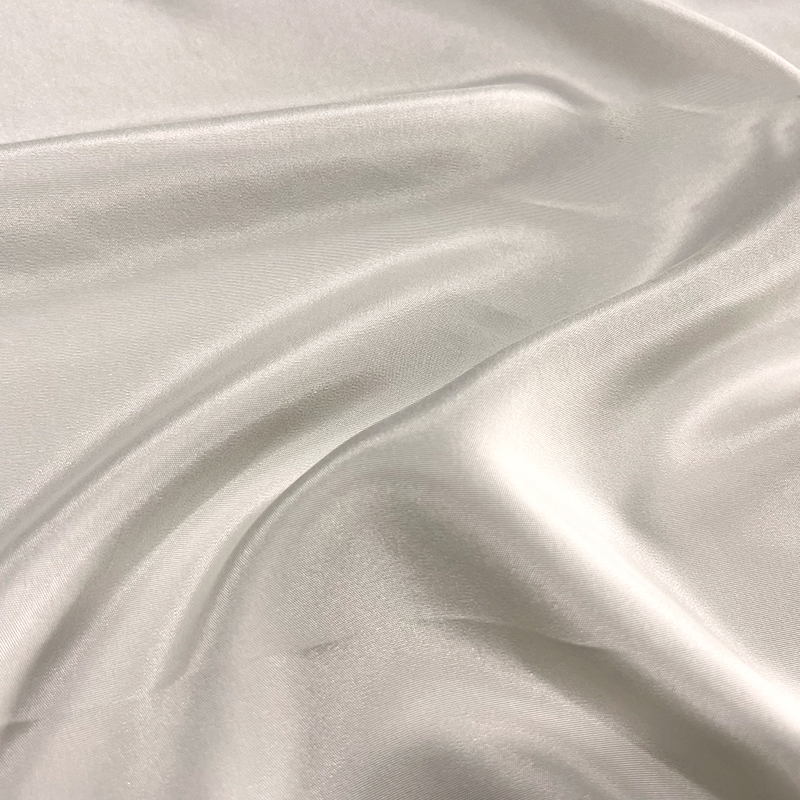
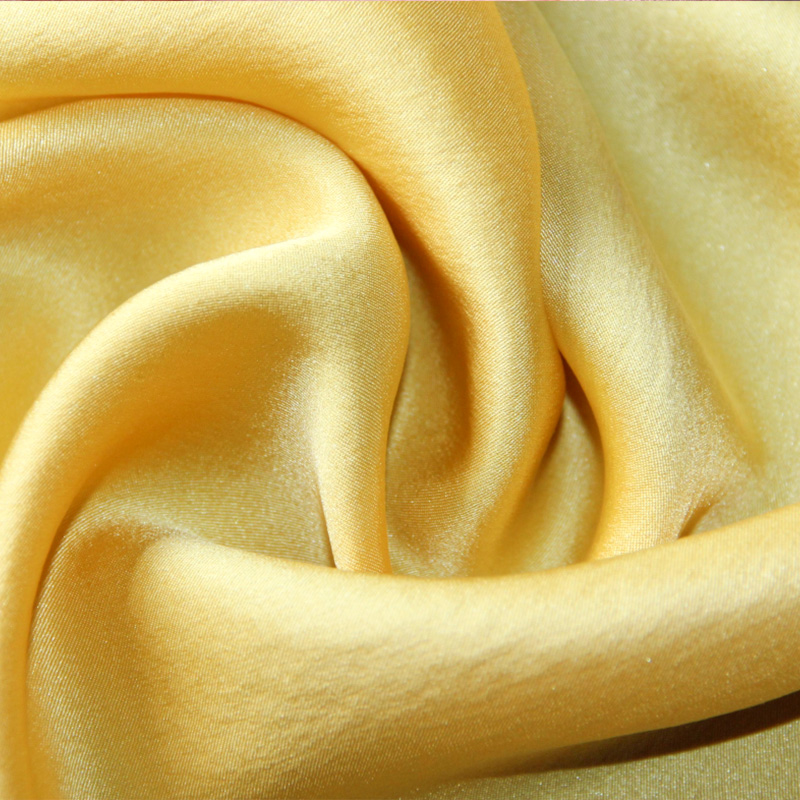
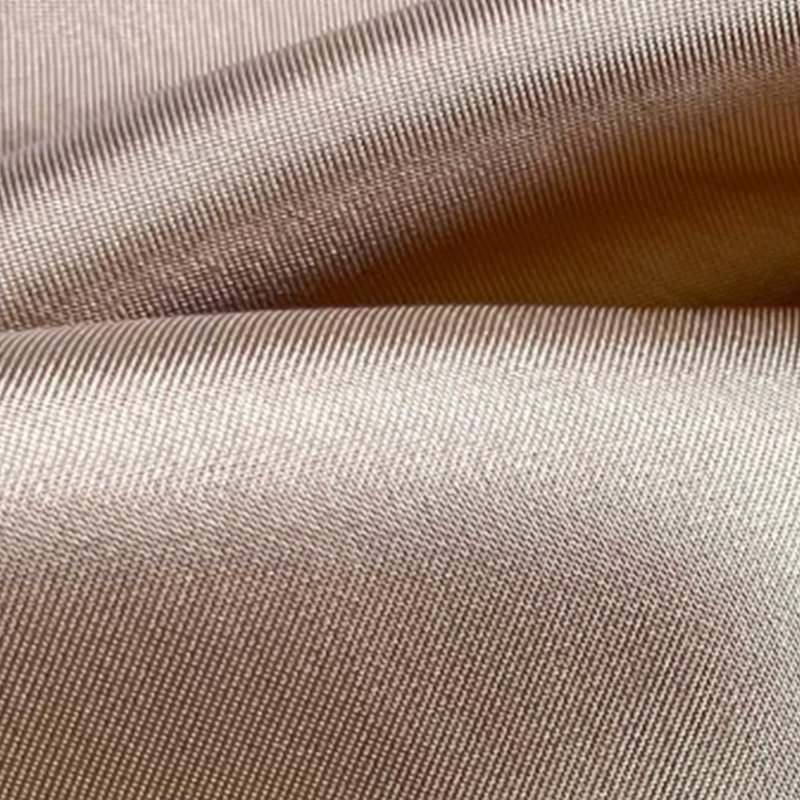
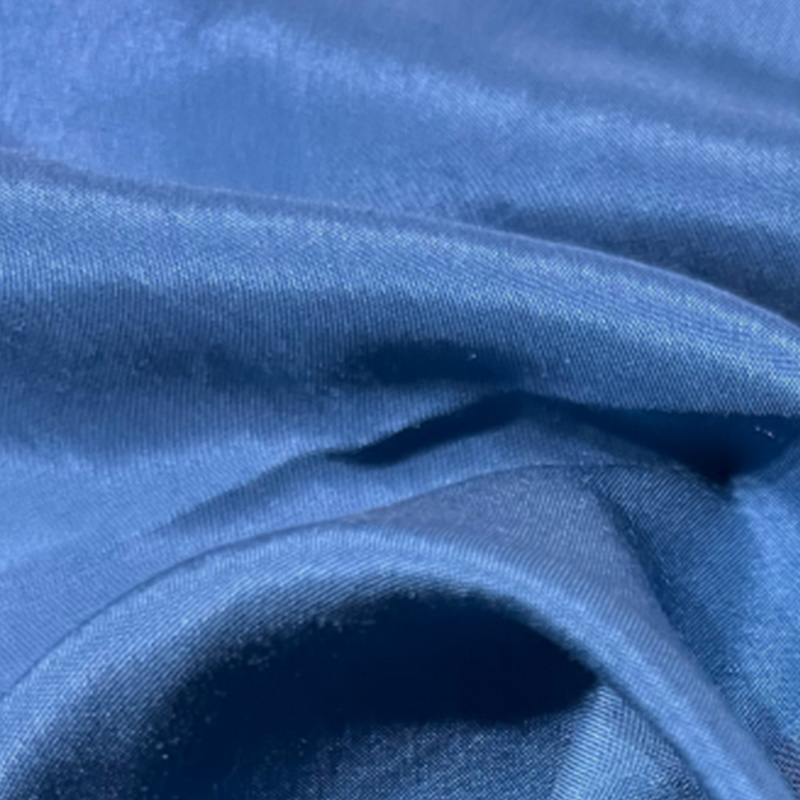
The visual result is a consistently matte finish with none of the high luster associated with filament silk fabrics. Where mulberry satin or charmeuse reflects light in long, directional sweeps, noil silk scatters it — the surface reads as warm and even rather than luminous. This quality makes it exceptionally versatile for natural and earthy colorways, where the texture adds depth that smooth fabrics flatten out. The noil silk fabric range covers multiple construction weights and weave options suited to different end-use requirements.
Hand Feel and Drape: Softer Than It Looks
The textured surface of noil silk can create an expectation of roughness that the fabric itself quickly corrects. Against the skin, noil silk fabric is soft — not in the buttery, cool way of high-grade mulberry charmeuse, but in a warmer, slightly fuzzy way that many wearers find more comfortable for extended daily use. The short staple fibers create a micro-surface that feels gentle rather than clinical.
Drape is one of the fabric's most commercially important attributes. Despite the irregular yarn structure, noil silk fabric falls and moves well. The natural protein fiber retains its flexibility through the staple spinning process, so the cloth flows with the body rather than holding a stiff shape. Cut on the bias, it moves with particular fluidity — a quality that designers working in relaxed or draped silhouettes find consistently useful.
Breathability is excellent. The slightly open structure of staple-spun yarn, combined with silk's inherent moisture management, produces a fabric that handles perspiration and heat effectively. This makes noil silk a genuinely practical warm-weather fabric, not merely an aesthetic choice. It sits comfortably alongside linen and cotton in the summer apparel category, with the added benefit of silk's natural temperature-regulating properties and a softer hand than either of those alternatives.
One underappreciated handling quality: noil silk fabric does not behave like slippery filament silks on the cutting table or under the presser foot. Its slightly textured surface provides friction that makes it easier to cut accurately and sew without shifting — an operational advantage for manufacturers running it through standard production lines without silk-specific handling adjustments.
Apparel and End-Use Applications
The combination of soft hand, good drape, distinctive surface texture, and accessible price point opens noil silk fabric to a wide application range. Several categories have established it as a preferred material.
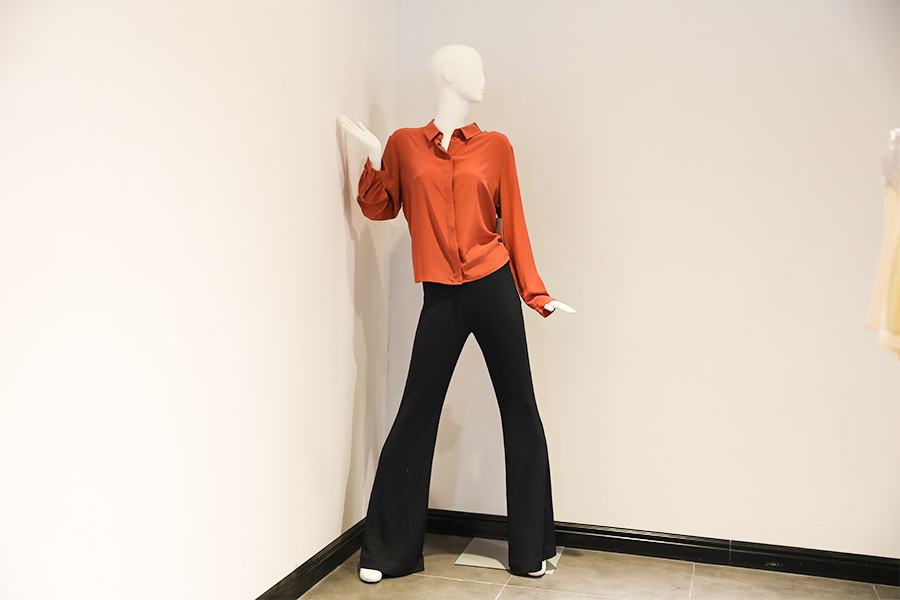
Casual and contemporary apparel is the core market. Relaxed shirts, fluid trousers, summer dresses, and wrap styles in noil silk deliver the comfort credentials of natural fiber with a visual character that distinguishes them from cotton or linen equivalents. The nep texture reads as artisanal and considered — qualities that resonate with buyers in the contemporary and sustainable fashion segments. Brands focused on understated, natural aesthetics have used noil silk to build collections with the feel of luxury without the price barrier of mulberry satin.
Scarves and lightweight outerwear benefit directly from the drape and texture combination. A noil silk scarf moves beautifully and has a surface that adds visual interest in a way that smooth silk cannot — the neps catch light differently depending on the angle, giving the piece a subtle liveliness. Lightweight unlined jackets and shirt-jackets in noil silk are a practical layering option for transitional seasons.
Home textiles represent a growing application area. Cushion covers, decorative pillow fabrics, lightweight curtain panels, and table runners in noil silk bring natural texture and tactile warmth into interior settings where smooth silk would read as too formal. The fabric's ease of care — it handles gentle machine washing better than most filament silks — is a practical benefit for home use contexts.
| Application | Suitability | Key Advantage |
|---|---|---|
| Casual shirts and blouses | Excellent | Soft hand, breathable, easy to sew |
| Summer dresses and skirts | Excellent | Fluid drape, comfortable in heat |
| Scarves and wraps | Excellent | Textured surface, good movement |
| Relaxed trousers and wide-leg pants | Good | Drape, breathability |
| Cushion covers and home décor | Good | Natural texture, wash-friendly |
| Evening or bridal wear (luster required) | Not recommended | Matte finish, no sheen |
Noil Silk vs Mulberry Silk Fabric: A Practical Comparison
The instinct to rank noil silk below mulberry silk on a single quality scale misrepresents how both fabrics actually function. They serve different design intentions and different price tiers. Understanding the specific differences helps buyers make accurate sourcing decisions rather than defaulting to the more expensive option when it isn't required.
Price is the most immediate differentiator. Noil silk fabric is produced from fiber that is a byproduct of the mulberry silk filament process — material that is recovered rather than primary-harvested. That origin keeps input costs significantly lower than equivalent-weight mulberry silk, making noil silk fabric a considerably more cost-competitive option for mid-market applications. The price gap is large enough to meaningfully affect product margin calculations.
Surface and luster diverge completely. Mulberry silk filament fabrics — satin, charmeuse, crepe de chine — carry the high luster that defines the classical silk aesthetic. Noil silk is matte. Neither is superior in absolute terms; they are appropriate for different design contexts. High-sheen mulberry satin is the right choice for a liquid-finish evening gown. Matte noil silk is the right choice for a relaxed resort shirt or an earthy-toned wrap. The design brief, not a quality hierarchy, should drive the selection.
Hand feel also differs in character rather than degree. Mulberry silk is cool, smooth, and distinctly silky against the skin. Noil silk is warmer, slightly fuzzy, and more tactile — closer in feel to a fine cotton-silk blend than to pure mulberry charmeuse. For skin-contact garments worn in warm climates, some buyers and wearers actually prefer the noil hand for sustained comfort over a full day.
For sourcing teams building a multi-tier silk range, noil and mulberry work as a natural pair rather than competitors. Tussah silk fabric offers another textured silk option at a similar price positioning to noil, while doupion silk fabric provides structured texture with more body for tailored applications — the three together cover the full textured-silk market segment without overlap.
Sourcing Noil Silk Fabric: What Buyers Should Verify
Noil silk fabric is not a single standardized product. Construction variables significantly affect how the finished cloth performs, and buyers sourcing it for the first time benefit from verifying a few key parameters before committing to production yardage.
Fabric weight (GSM) is the most critical specification. Lighter-weight noil silks — below 80 GSM — work well for scarves, lightweight blouses, and linings. Mid-weights of 100–140 GSM suit shirts, dresses, and most casual apparel constructions. Heavier weights above 150 GSM are appropriate for structured casual pieces, cushion covers, and applications requiring more body. Requesting a weight range from the supplier rather than a single target allows some tolerance in production.
Nep density and distribution vary between batches and suppliers. Some constructions have sparse, fine neps that read as subtle texture; others have more pronounced and frequent neps that give the fabric a more rustic character. Both are legitimate — but the design intent should drive which is ordered. Request fabric samples across the available nep profiles before finalizing.
Dyeing behavior deserves attention. Noil silk fabric accepts dye readily and can achieve good color depth, but the neps — being denser fiber clusters — sometimes absorb color at a slightly different rate than the surrounding ground, creating a subtle tonal variation on the fabric surface. In most natural and earthy colorways this enhances the fabric's character; in very precise solid colors it requires attention to dyeing consistency. A specialized supplier can advise on which colorways work reliably with their specific construction. The complete silk and blend fabric range provides a starting point for understanding how noil sits within a broader sourcing portfolio.
Finally, care labeling for finished garments in noil silk should reflect that it handles gentle machine washing better than most filament silks — an end-consumer advantage worth communicating. The short staple fiber structure does not break down as easily under mechanical agitation as continuous filament yarns, giving noil silk garments a practical durability that the "dry clean only" default for silk does not fully account for.
 previous post