中文简体
中文简体 Français
 Deutsch
 italiano
From Pure Silk to Silk Blend Fabric: A Complete Guide to Types, Patterns and Applications
Content
- 1 The Enduring Legacy of Silk Fabric
- 2 Fabric Pattern in Silk: A Language of Design
- 3 Major Types of Silk Fabric and Their Characteristics
- 4
- 5 Silk Blend Fabric: Bridging Tradition and Modern Performance
- 6 Suzhou Wangu Silk Co., Ltd.: Tradition Meets Innovation
- 7 Selecting the Right Silk Fabric for Your Application
The Enduring Legacy of Silk Fabric
Silk fabric occupies a singular position in the history of human textile production. For more than five thousand years, it has been the material of emperors, diplomats, and artists — a textile so valued that the ancient trade routes linking China to the Mediterranean world were named in its honor. What makes silk so enduringly prized is not mystique alone but a combination of genuinely exceptional physical properties that no synthetic material has fully replicated. The triangular prism-like structure of the silk fiber, produced by the silkworm Bombyx mori as it spins its cocoon, causes incident light to refract at multiple angles simultaneously, producing the characteristic luminous sheen that distinguishes silk from every other textile. This optical quality, combined with the fiber's natural protein composition, gives silk fabric its smooth, skin-warm hand feel and its ability to regulate body temperature by absorbing moisture and releasing it into the ambient air.
In China, the cultural significance of silk fabric extends far beyond its commercial value. Silk production, weaving, and decoration have been interwoven with Chinese art, philosophy, ritual, and identity for millennia. The city of Suzhou, situated in Jiangsu Province on the Yangtze River Delta, has been the epicenter of China's most refined silk production for over two thousand years. Known as the "Land of Silk," Suzhou developed the technical traditions, design vocabularies, and craft institutions that define classical Chinese silk culture. The city's silk industry survived dynastic transitions, industrialization, and the upheavals of the twentieth century, and today it continues to produce silk fabrics and silk blend fabrics of international renown, balancing heritage craftsmanship with advanced manufacturing technology.
Fabric Pattern in Silk: A Language of Design
Fabric pattern in silk represents one of the most sophisticated intersections of technical weaving skill and artistic vision in the entire history of textiles. A fabric pattern is not merely decorative — in woven silk, the pattern is structural, created by the precise interlacing of warp and weft threads according to a programmed sequence that determines which threads appear on the fabric surface at each point and in what color sequence. The complexity achievable in a woven silk fabric pattern is directly proportional to the sophistication of the loom used to produce it, and Suzhou's silk tradition has historically pushed the limits of pattern complexity at every stage of technological development.
Classical Woven Patterns
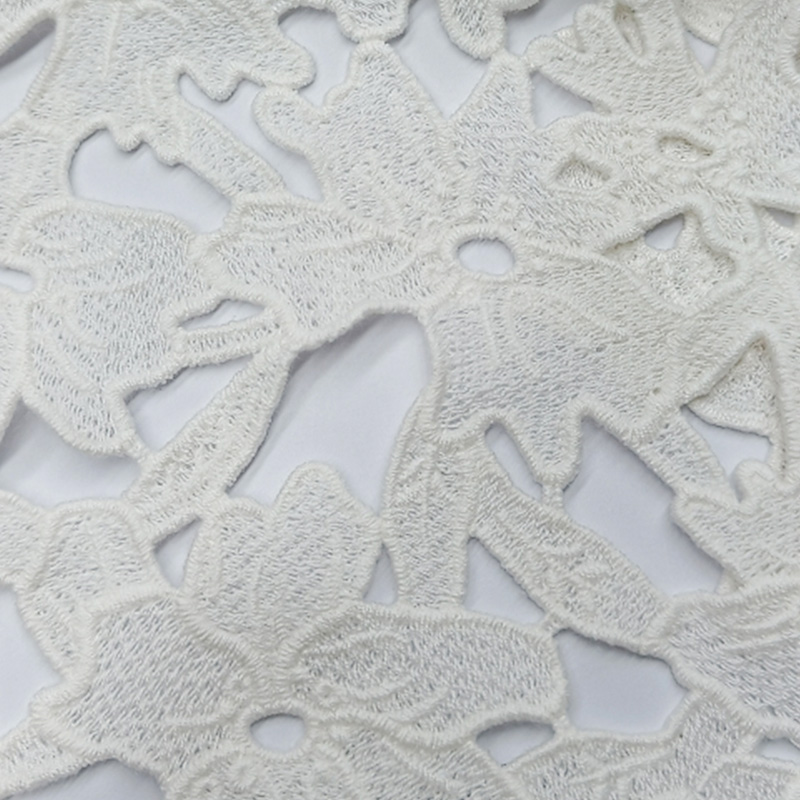
Traditional Chinese silk fabric patterns draw from a rich symbolic vocabulary in which every motif carries cultural meaning. Peony patterns symbolize prosperity and feminine beauty; crane motifs represent longevity and wisdom; cloud and dragon patterns are associated with imperial authority and celestial power. These motifs were woven into silk using drawloom technology — a precursor to the Jacquard loom — in which skilled workers manually lifted selected warp threads to create the pattern shed for each pick of the weft. The technical complexity of producing a large-repeat dragon robe pattern on a traditional drawloom required years of apprenticeship and could take months to complete a single length of fabric. The resulting textiles are among the most technically demanding artifacts in the history of human manufacture.
Modern Jacquard and Digital Pattern Production
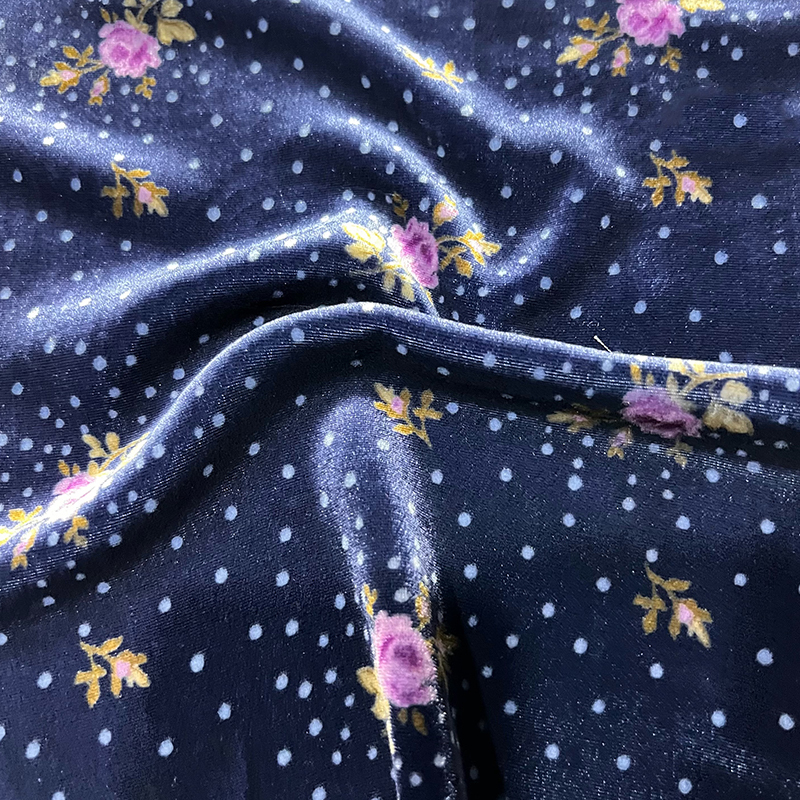
Contemporary silk fabric pattern production in Suzhou integrates digital design tools with electronically controlled Jacquard weaving systems that can execute pattern programs of virtually unlimited complexity with precision and repeatability. Designers work in CAD environments to develop fabric pattern repeat units, specifying thread color sequences, weave structures, and repeat dimensions before the design is converted into a digital control program for the loom. Modern Jacquard systems equipped with individual heddle hook control can manage thousands of independently controlled warp threads per centimeter of fabric width, enabling photographic-resolution pattern detail in woven silk that would have been technically impossible with mechanical loom systems. This technological leap has not displaced traditional pattern vocabularies — classical cloud, floral, and geometric patterns remain commercially significant — but has vastly expanded the range of fabric pattern design that can be realized in woven silk at production scale.
Major Types of Silk Fabric and Their Characteristics
The term silk fabric encompasses a diverse family of materials that differ substantially in weight, texture, drape, and appropriate end use depending on their weave structure and finishing treatment. Understanding the major categories helps designers, buyers, and consumers select the right silk for each application.
| Silk Type | Weave Structure | Key Properties | Best Applications |
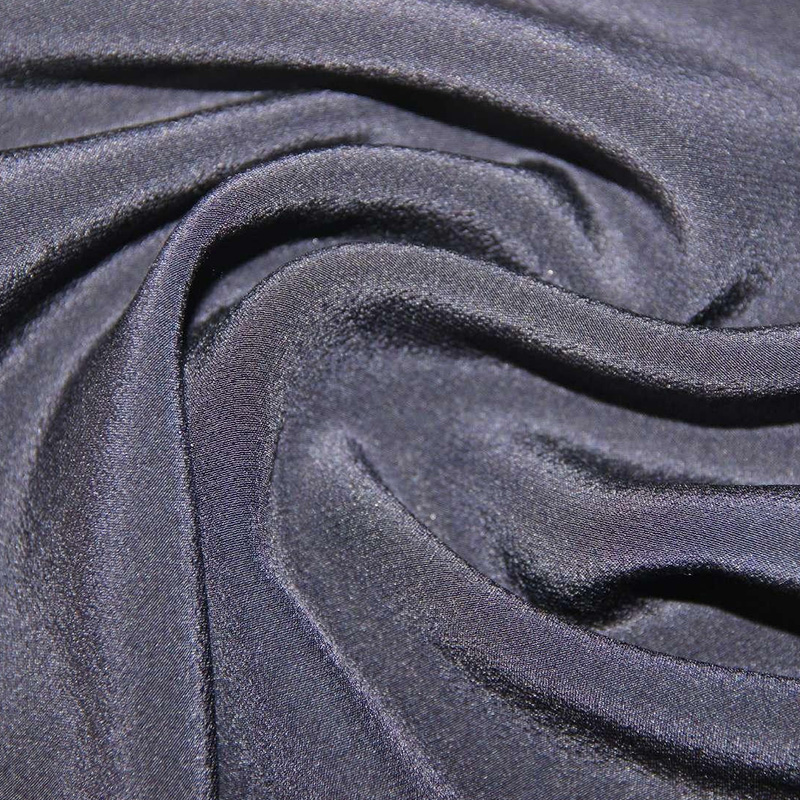
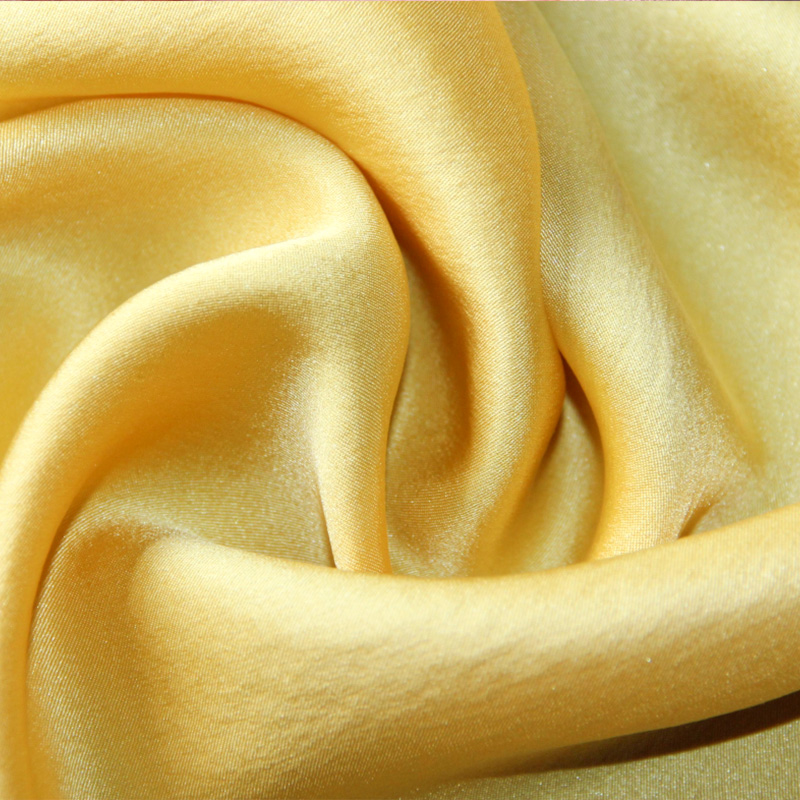
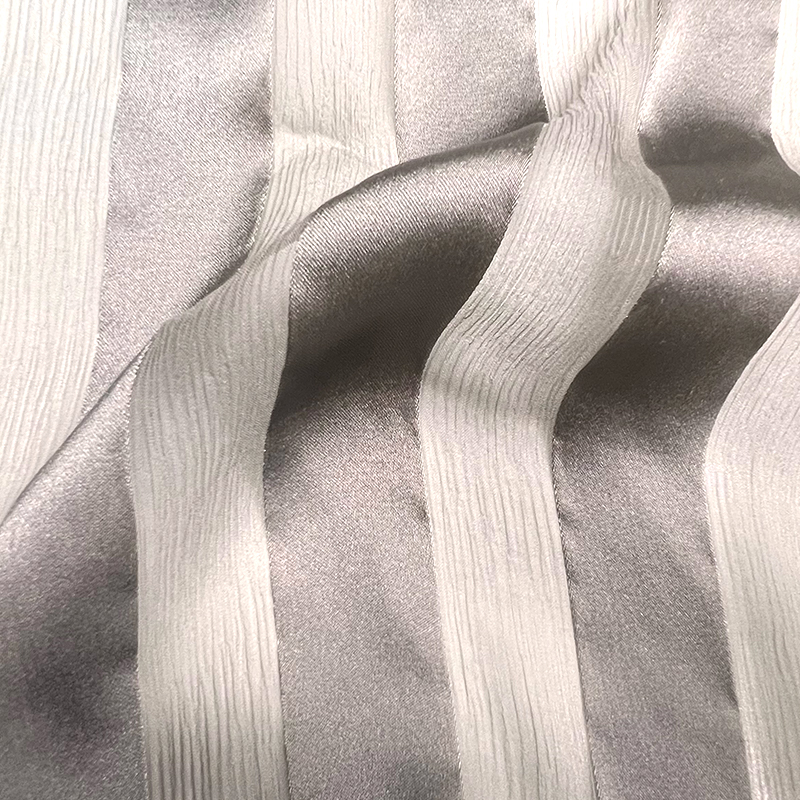
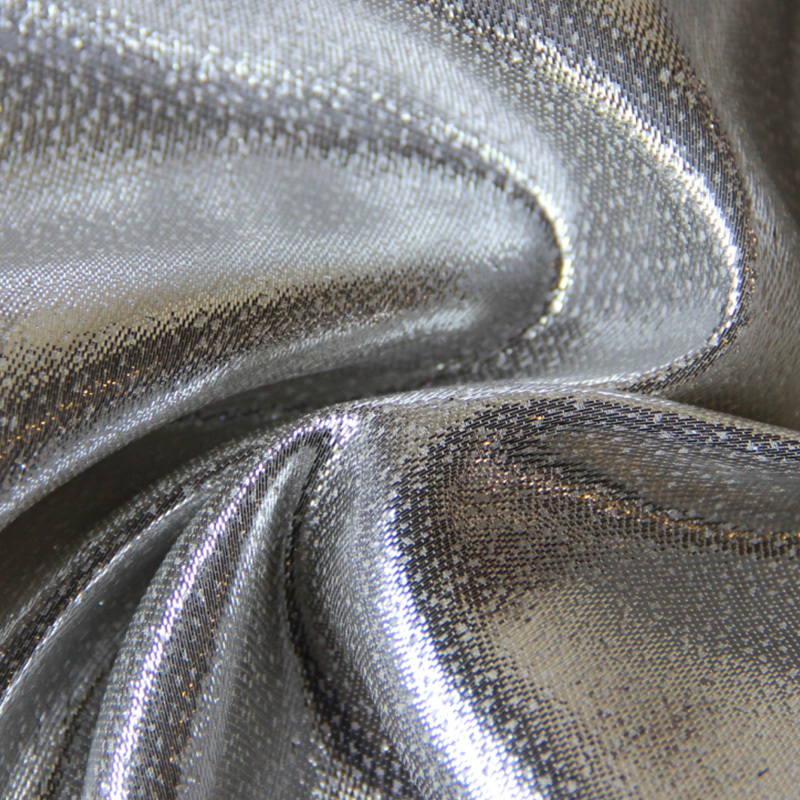
| Charmeuse | Satin weave | High sheen, fluid drape | Eveningwear, lingerie, scarves |
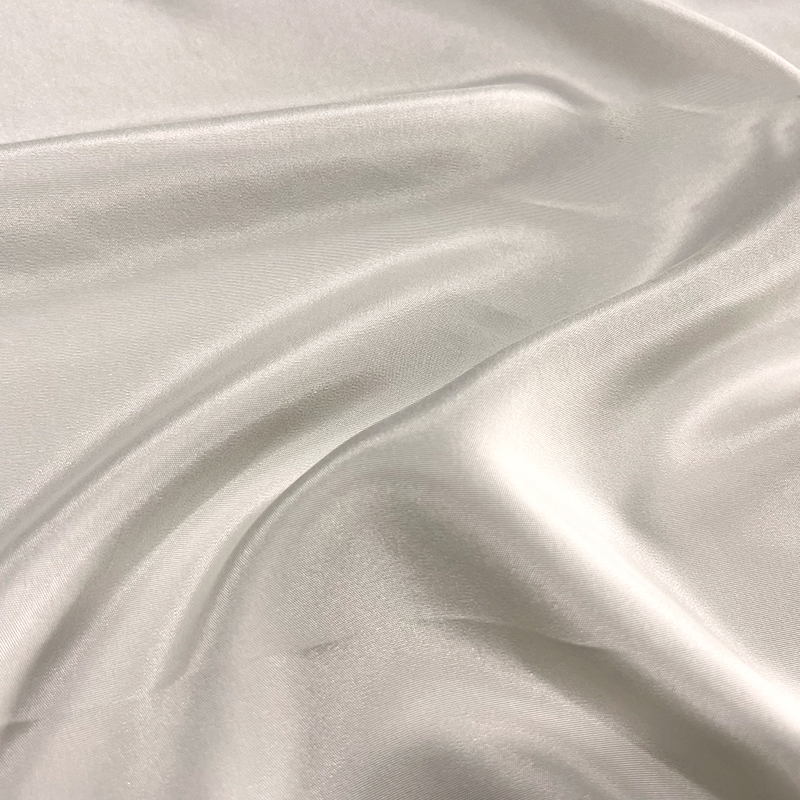
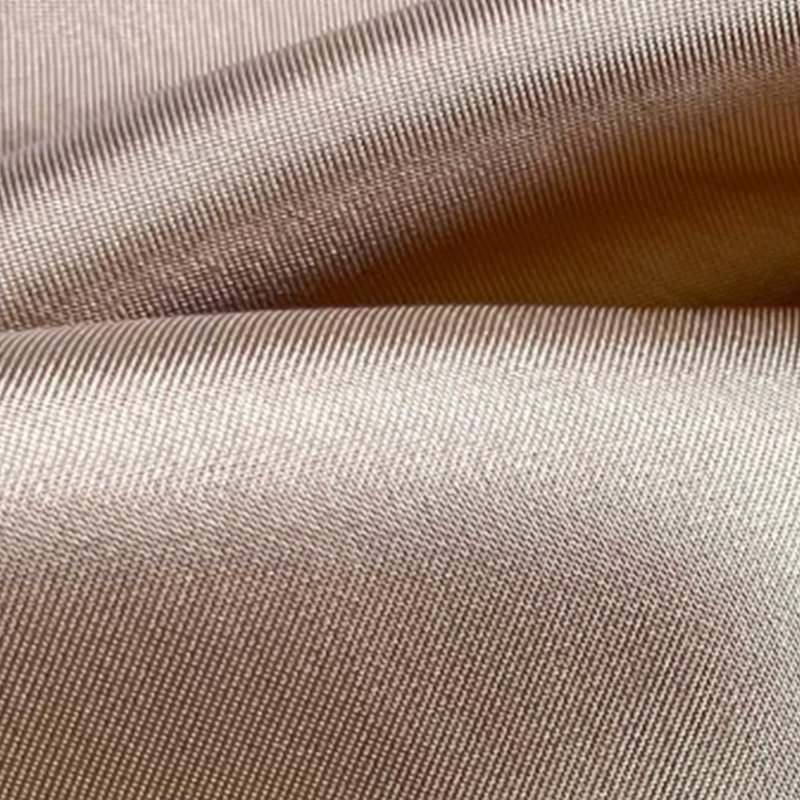
| Habotai (China Silk) | Plain weave | Lightweight, soft, smooth | Linings, blouses, printing base |
| Dupioni | Plain weave (slub yarn) | Crisp texture, natural slubs | Suiting, bridal, home décor |
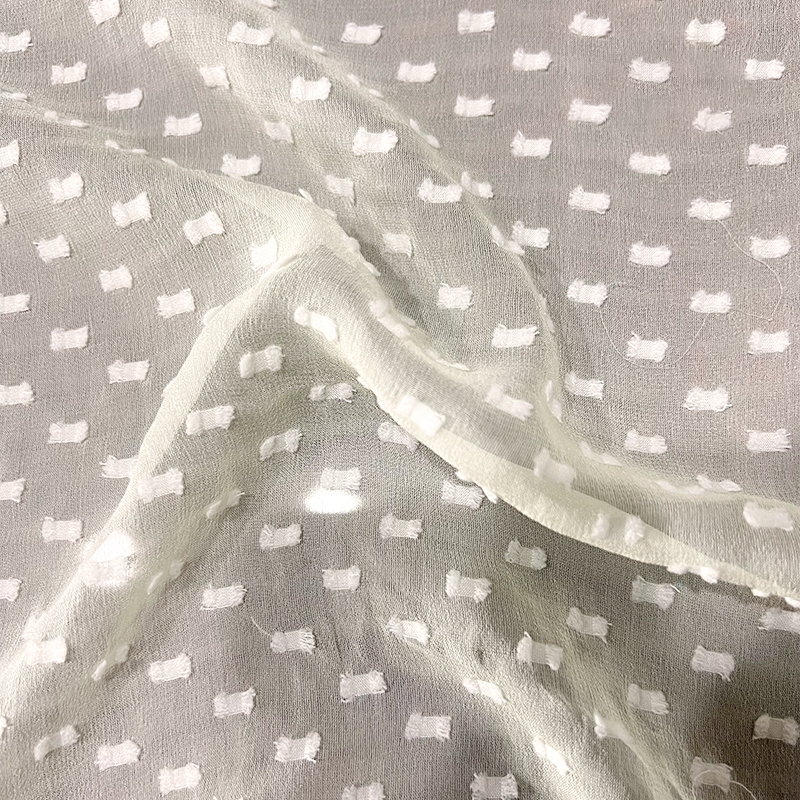
| Crepe de Chine | Plain weave (twisted yarn) | Matte surface, fluid, drapey | Dresses, blouses, scarves |
| Jacquard Silk | Jacquard weave | Complex woven pattern, rich texture | Formal fashion, upholstery, gifts |
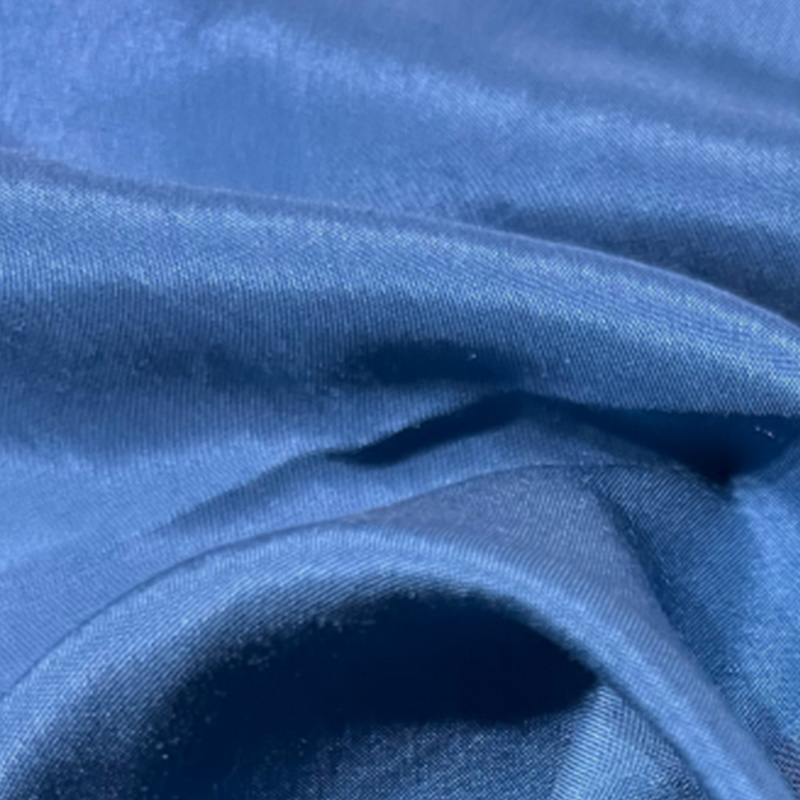
| Silk Blend Fabric | Various | Balanced performance and cost | Everyday fashion, workwear, bedding |
Silk Blend Fabric: Bridging Tradition and Modern Performance
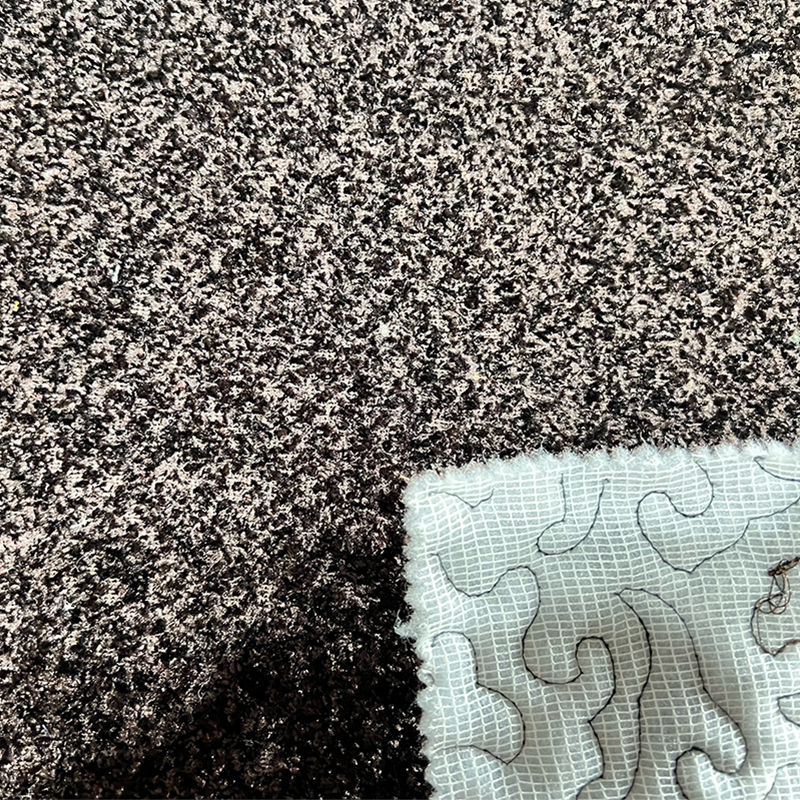
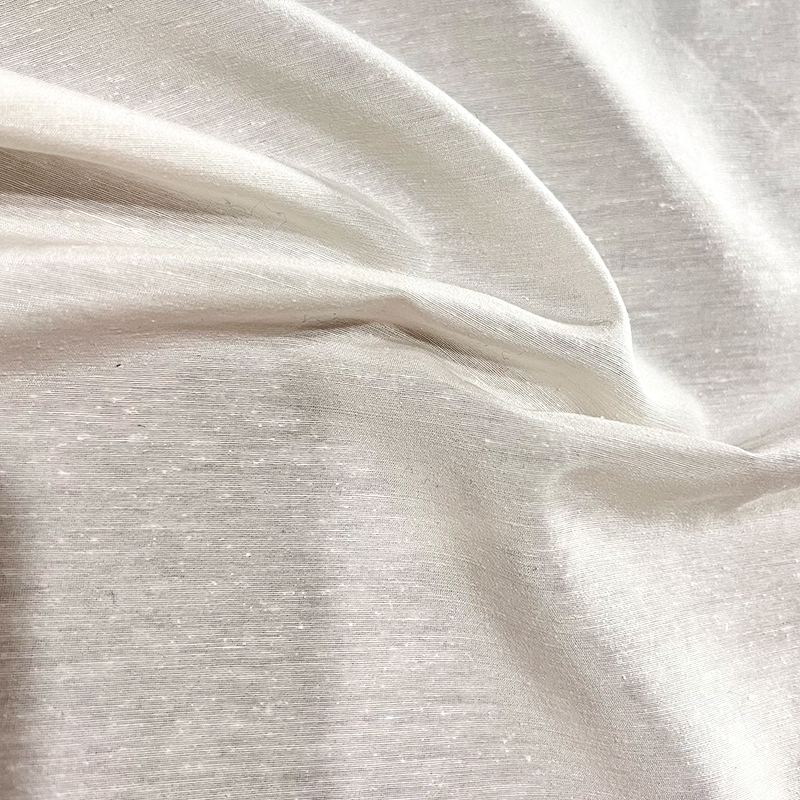
Silk blend fabric represents one of the most commercially significant developments in the contemporary silk industry. Pure silk fabric, while unmatched in sensory quality, presents practical challenges for everyday use: it is sensitive to perspiration, sunlight, and mechanical abrasion; it requires careful hand washing or dry cleaning; and its cost places it beyond the accessible range for many applications and consumers. Silk blend fabric addresses these limitations by combining silk fibers with complementary materials — most commonly cotton, wool, polyester, nylon, or modal — to produce fabrics that retain the aesthetic and comfort qualities of silk while acquiring the practical durability, washability, and cost efficiency of the blended fiber.
A silk-cotton blend, for example, preserves silk's breathability and softness while gaining cotton's moisture absorption, reduced price point, and easier care. A silk-wool blend captures silk's luster and drape in combination with wool's insulating warmth and body, producing suiting fabrics with a distinctly refined character. Silk-polyester blends are widely used in commercial fashion and home textile applications where the silk's visual character is desired but production volumes and price requirements make pure silk impractical. Companies like Suzhou Wangu Silk Co., Ltd. have invested in the research and development of silk blend formulations that optimize the proportion of silk content relative to blended fibers to achieve specific performance profiles for different market applications, a technical process that requires both textile science knowledge and deep understanding of the end markets served.
Suzhou Wangu Silk Co., Ltd.: Tradition Meets Innovation
Among the companies carrying forward Suzhou's silk heritage into the contemporary global market, Suzhou Wangu Silk Co., Ltd. represents a model of how traditional craftsmanship and modern technological advancement can be combined to produce silk fabric and silk blend fabric that meets the exacting requirements of today's international buyers. The company operates within Suzhou's established silk production ecosystem, drawing on the city's deep pool of technical expertise, its access to high-quality raw silk, and its centuries-old design tradition, while simultaneously deploying modern production technologies that ensure consistency, scalability, and quality control at international standards.
The integration of traditional craftsmanship with modern technological advancements is visible across every stage of the company's production process. Classical fabric pattern designs rooted in Suzhou's brocade and embroidery traditions are digitized and adapted for modern Jacquard loom production, allowing heritage pattern vocabularies to be reproduced at commercial scale without losing their artistic integrity. Advanced dyeing and finishing technologies extend the color fastness, washability, and dimensional stability of silk and silk blend fabrics beyond what traditional processing could achieve, making the finished products more compatible with the practical demands of contemporary consumers and fashion production schedules.
Selecting the Right Silk Fabric for Your Application
Choosing the appropriate silk fabric or silk blend fabric for a specific application requires evaluating several key parameters that together determine whether the fabric will perform as expected in its intended context. The following practical criteria guide effective silk fabric selection:
- Momme weight: Silk fabric weight is expressed in momme (mm), with lighter weights (6–12 mm) suited to scarves and linings, medium weights (12–19 mm) appropriate for blouses and dresses, and heavier weights (19–30 mm) used for structured garments, upholstery, and bedding.
- Weave structure and fabric pattern: Plain weave habotai accepts print ink evenly and is the standard base for screen and digital printed silk; Jacquard structures are specified when a woven fabric pattern is required for visual depth and texture.
- Fiber blend ratio: Higher silk content in a silk blend fabric increases cost and sensory quality; lower silk content with complementary synthetic or natural fibers improves durability and reduces cost for applications where these trade-offs are appropriate.
- Color fastness grade: For garments subject to frequent washing or sun exposure, specify fabrics with color fastness ratings of Grade 4 or above to ISO 105 standards to ensure that colors remain stable through normal use.
- Certification and origin: For premium market positioning, silk fabric certified by recognized quality bodies and traceable to established production centers such as Suzhou provides the provenance credentials that support brand storytelling and justify price premiums in luxury retail contexts.
The convergence of ancient craft tradition and modern production capability in Suzhou's silk industry ensures that buyers seeking high-quality silk fabric — whether pure or blended, in classical fabric pattern designs or contemporary innovations — have access to a depth of expertise and material quality that remains unmatched anywhere in the world. From the hand of a skilled weaver tracing the lineage of techniques passed down through generations, to the precision of a digitally controlled Jacquard loom executing a complex pattern repeat at production speed, Suzhou silk continues to define the global standard for luxurious, culturally resonant textile excellence.
 previous post