中文简体
中文简体 Français
 Deutsch
 italiano
Silk Blend Fabric: Types, Uses & Care Guide
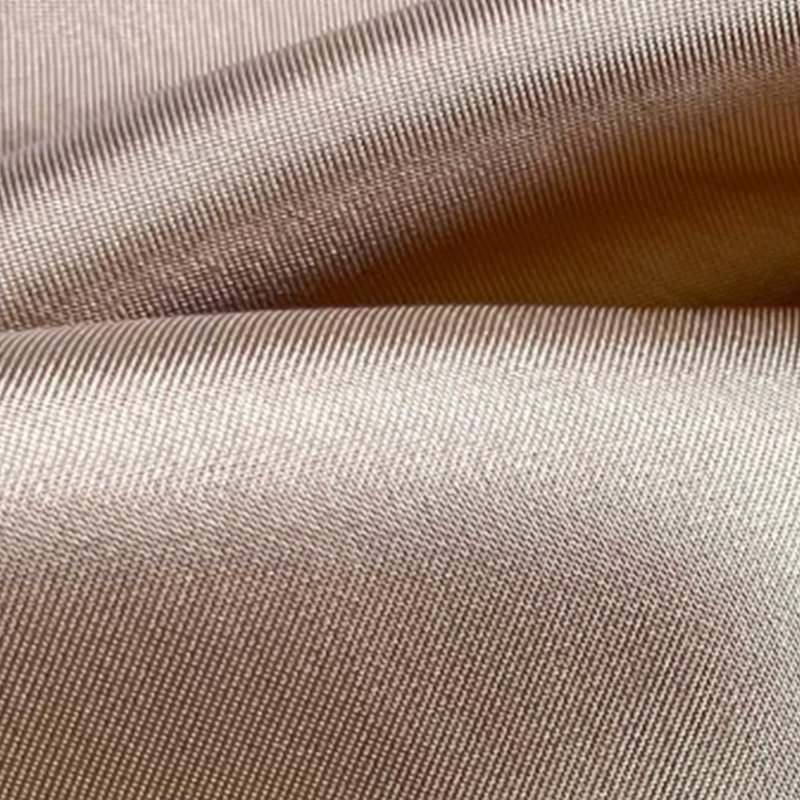
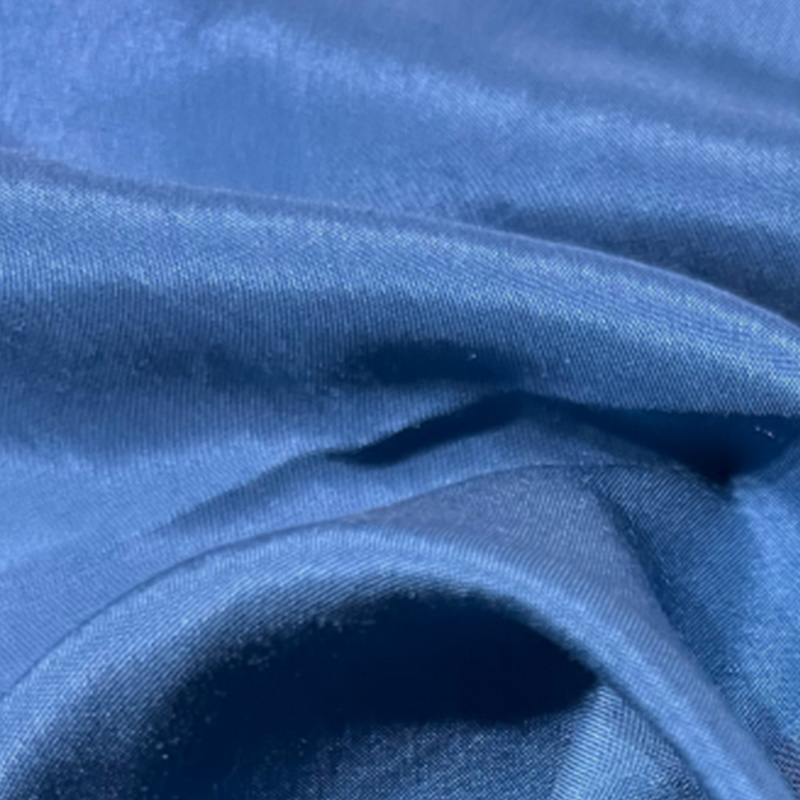
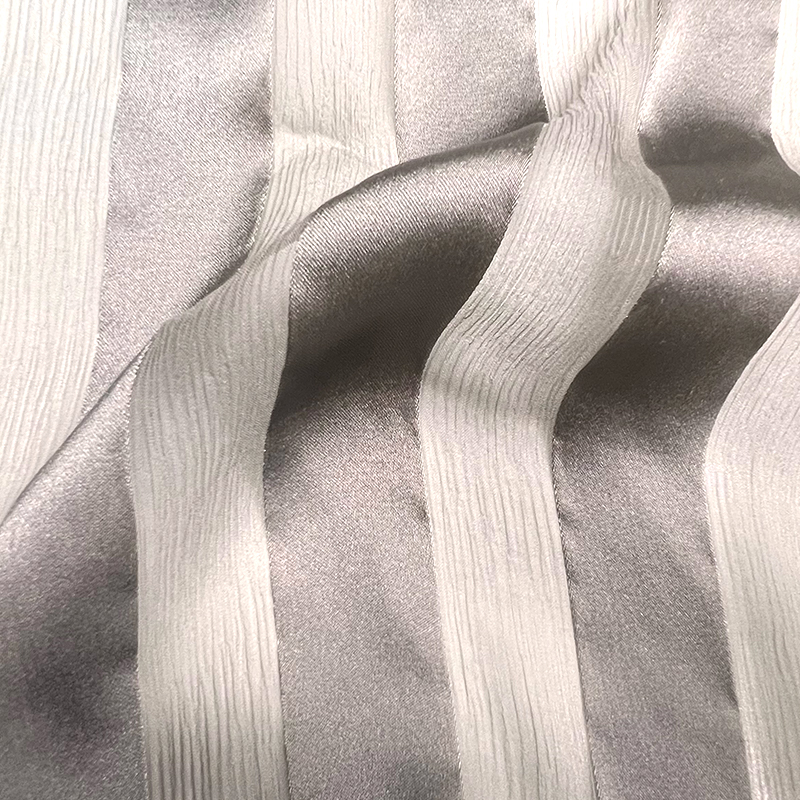
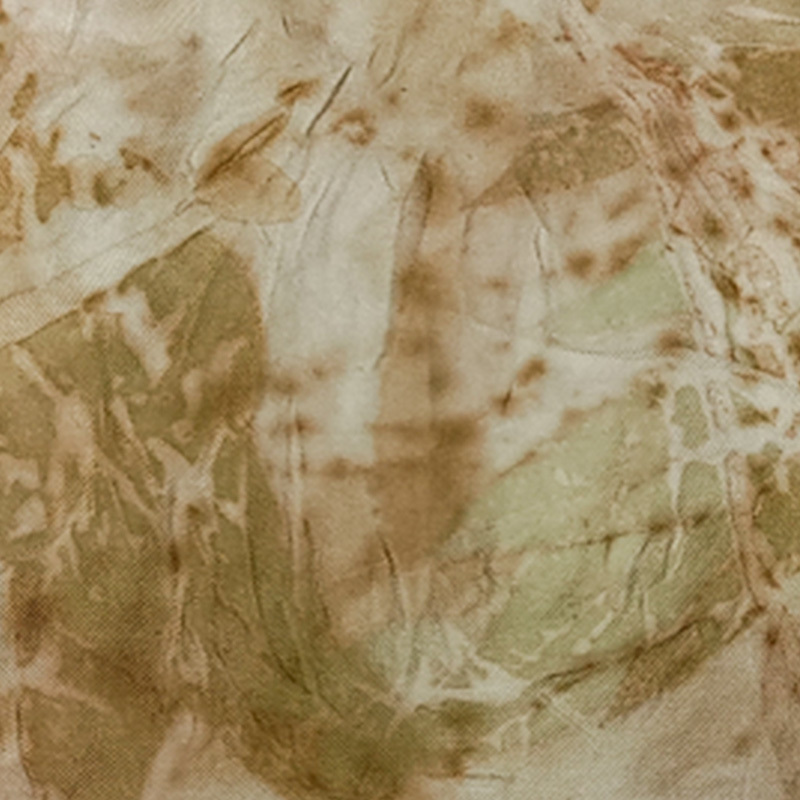
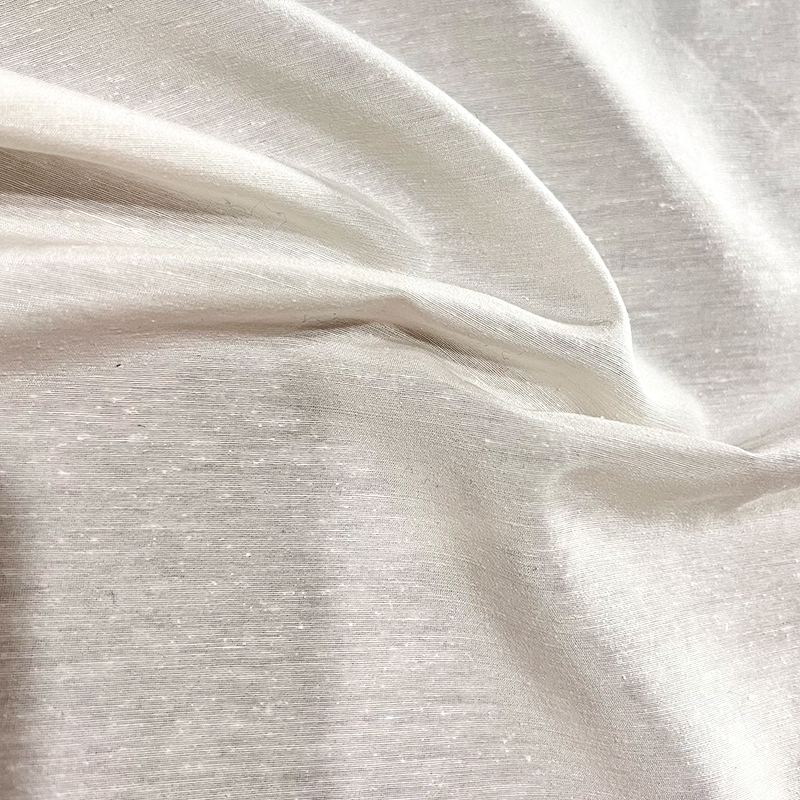
Silk blend fabric combines the natural luster and softness of silk with the practical durability of fibers like cotton, polyester, wool, or spandex — resulting in textiles that perform better than pure silk in everyday use while retaining much of its signature drape and sheen. For buyers, designers, and sewers trying to decide between pure silk and a blended alternative, the answer is clear: silk blends deliver superior value in most real-world applications, from garment construction to home décor, without the fragility or cost of 100% silk.
Content
- 1 What Silk Blend Fabric Actually Is
- 2 The Most Common Silk Blend Types and Their Properties
- 3 Silk Blend vs. Pure Silk: A Direct Comparison
- 4 Best Uses for Silk Blend Fabric by Application
- 5 How to Read Fabric Labels and Identify Silk Blend Quality
- 6 Caring for Silk Blend Fabric to Maximize Its Lifespan
- 7 Sewing and Working with Silk Blend Fabric
- 8 Sustainability and Ethical Considerations in Silk Blends
- 9 Choosing the Right Silk Blend: A Quick Decision Guide
What Silk Blend Fabric Actually Is
Silk blend fabric is any textile that contains silk fibers woven or knitted together with one or more other fibers. The silk content can range widely — from as low as 10% to as high as 85% — depending on the intended end use and price point. The secondary fibers are chosen deliberately to solve specific weaknesses inherent in pure silk, such as its susceptibility to stretching, fading, and water spotting.
Unlike synthetic imitations that merely mimic silk's appearance, a true silk blend retains actual silk protein fibers (sericin and fibroin), which are responsible for silk's natural temperature regulation, moisture-wicking properties, and soft hand feel. Even a fabric with 30% silk content will exhibit noticeably different drape and breathability compared to a 100% polyester alternative.
The Most Common Silk Blend Types and Their Properties
Each silk blend pairing produces a distinctly different fabric with unique performance characteristics. Understanding what each blend does helps in selecting the right material for a specific project or purchase.
Silk-Cotton Blend
A silk-cotton blend typically ranges from 30/70 to 55/45 silk-to-cotton ratios. Cotton adds breathability and absorbency while reducing the cost and delicacy of the fabric. The resulting textile is softer than pure cotton but more washable than pure silk, making it a go-to for blouses, lightweight summer dresses, and bed linens. It tends to wrinkle more than other silk blends due to the cotton content.
Silk-Polyester Blend
This is the most commercially widespread silk blend. Polyester contributes significant wrinkle resistance, color retention, and dimensional stability — qualities that pure silk lacks. A common ratio is 60% polyester / 40% silk, used heavily in scarves, linings, and affordable suiting. The tradeoff is reduced breathability and a slightly more synthetic drape compared to higher silk-content blends.
Silk-Wool Blend
Blending silk with wool produces a fabric that is warmer than pure silk and less scratchy than pure wool. The silk fibers smooth out wool's natural surface texture, improving the drape and reducing the tendency to pill. Silk-wool blends are widely used in suiting fabrics, shawls, and winter wraps, with silk content usually falling between 20–40%.
Silk-Spandex (Elastane) Blend
Even a small addition of 2–5% spandex to silk dramatically changes its wearability. The stretch allows the fabric to recover its shape after movement, making silk-spandex blends popular in fitted garments like bodysuits, activewear-inspired tops, and lingerie. Without spandex, pure silk in close-fitting cuts tends to bag and lose shape at stress points over time.
Silk-Linen Blend
This pairing is less common but highly regarded in premium fashion. Linen contributes a structured body and textural interest, while silk softens the coarseness of linen and adds a subtle sheen. The result is a fabric with excellent hot-weather performance — breathable, lightweight, and more elegant than plain linen — used primarily in tailored summer suiting and resort wear.
Silk Blend vs. Pure Silk: A Direct Comparison
For shoppers and designers weighing their options, this table summarizes the key performance differences across the most important fabric characteristics:
| Property | Pure Silk | Silk-Polyester | Silk-Cotton | Silk-Wool |
|---|---|---|---|---|
| Drape & Luster | Excellent | Good | Moderate | Moderate |
| Wrinkle Resistance | Poor | Excellent | Poor–Moderate | Good |
| Breathability | Excellent | Moderate | Excellent | Good |
| Washability | Dry-clean only | Hand/machine wash | Hand wash | Dry-clean recommended |
| Durability | Moderate | High | High | High |
| Average Price/yard | $20–$80+ | $8–$25 | $12–$35 | $18–$50 |
Pure silk excels in luster and drape but is impractical for high-use items. For most garment and home textile applications, a silk blend delivers 80–90% of the aesthetic appeal at a fraction of the maintenance demand and cost.
Best Uses for Silk Blend Fabric by Application
The choice of silk blend type should follow the end use. Here's how different blends map to specific applications:
Apparel and Fashion
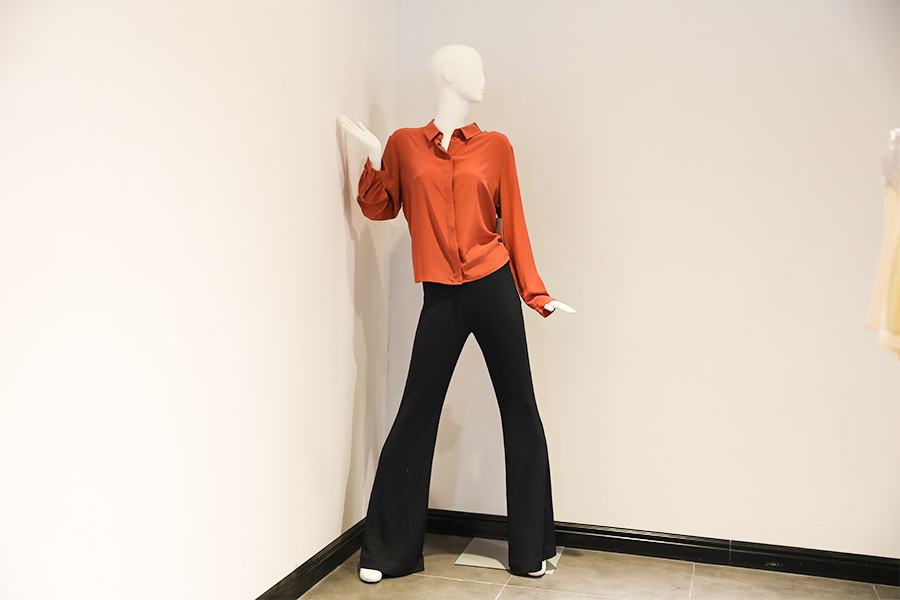
- Evening wear and formal blouses — Silk-polyester blends (55/45 or 60/40) offer the sheen needed for formal occasions with enough body to hold structured silhouettes.
- Fitted tops and bodysuits — Silk-spandex blends (95/5 or 92/8) provide stretch recovery and comfort in close-cut designs.
- Casual daywear — Silk-cotton blends are washable, breathable, and comfortable enough for daily use without feeling overdressed.
- Winter suiting and coats — Silk-wool blends bring warmth and refined texture ideal for tailored outerwear.
Home Textiles
- Pillowcases and bedding — Silk-cotton or silk-polyester blends offer the skin-friendly smoothness of silk while being far more durable and washable than pure silk sheets.
- Curtains and drapery — Silk-polyester blends hold color better under UV exposure than pure silk, which can degrade rapidly near windows.
- Upholstery accents — Heavier silk-wool blends provide the surface interest of silk without the fragility, suitable for decorative cushions and chair backs.
Accessories and Scarves
Scarves and neckwear made from silk blends — particularly silk-modal or silk-polyester — are among the highest-volume applications in the accessories market. The blend allows for vibrant digital printing (polyester holds dye better than silk) while maintaining the lightweight, fluid drape that makes silk scarves desirable. Many luxury brand scarves sold at $100–$300 retail contain 50–70% polyester alongside silk, a fact that surprises many consumers who assume high price equals pure silk.
How to Read Fabric Labels and Identify Silk Blend Quality
Fabric content labels are required by law in most countries and are your most reliable tool when shopping. Here's what to look for:
- Fiber content percentages — Listed in descending order by weight. "55% Silk, 45% Polyester" means silk is the dominant fiber. A label reading "10% Silk, 90% Polyester" is effectively a polyester fabric with a trace of silk and minimal silk characteristics.
- Care instructions — A silk blend with hand-wash or machine-wash permission indicates the secondary fiber has successfully stabilized the silk. Dry-clean-only labels on blends often suggest wool or high-percentage silk content.
- Momme weight (mm) — Momme is the weight measurement used for silk fabrics. For blends, this number reflects the overall fabric density. A silk-polyester blend at 16–19 momme has good structure; below 12 momme it will feel thin and semi-sheer.
- Country of origin and weave structure — Silk blends woven in China, Italy, or India under quality-controlled conditions tend to be more consistent in fiber distribution than low-cost blends with uneven fiber mixing.
A simple burn test can also help verify silk content: silk fibers smell like burning hair and leave a crushable ash, while polyester melts and smells synthetic. A blend will exhibit both behaviors simultaneously.
Caring for Silk Blend Fabric to Maximize Its Lifespan
Proper care is the single biggest factor in how long silk blend fabric retains its appearance. The care method should always follow the most delicate fiber in the blend — which is almost always the silk component.
Washing Guidelines
- Use cold water (below 30°C / 86°F) for all silk blends — hot water degrades the silk protein structure, causing irreversible shrinkage and loss of sheen.
- Choose a gentle or silk-specific detergent with a neutral pH (6.5–7.5). Alkaline detergents above pH 8 will damage silk fibers over repeated washings.
- Machine washing silk blends with high polyester content (60%+) is generally safe on a delicate cycle in a mesh laundry bag. Lower silk-content blends are more wash-tolerant.
- Avoid wringing or twisting — gently press the fabric against the side of the basin to remove water, then roll it in a clean towel.
Drying and Ironing
- Always air-dry silk blends flat or on a padded hanger away from direct sunlight — UV exposure fades silk dyes rapidly, often within as few as 10–15 hours of direct sunlight exposure.
- Iron on the lowest silk setting while the fabric is still slightly damp, using a pressing cloth to avoid water marks and surface shine damage.
- Never tumble dry silk blends — the heat and agitation will permanently distort the fiber structure, especially in higher silk-content fabrics.
Sewing and Working with Silk Blend Fabric
For sewers and designers, silk blends are significantly easier to work with than pure silk charmeuse or habotai, which slip and fray aggressively. However, they still require some adapted techniques:
- Use a sharp microtex needle (size 60/8 or 70/10) to prevent snags. Ballpoint needles designed for knits will damage the weave structure of woven silk blends.
- Increase presser foot pressure slightly on slippery blends — silk-polyester has a tendency to shift during stitching. Using a walking foot or tissue paper under the fabric helps maintain accuracy.
- Finish all raw edges immediately after cutting. Even stabilized silk blends fray faster than cotton or linen, especially at bias-cut edges.
- Use polyester thread rather than cotton thread — it matches the stretch behavior of the blend better and is less likely to cause puckering at seams.
- Pre-wash the fabric before cutting if the blend is hand-washable — this removes any residual sizing (stiffening agents applied during manufacturing) and ensures the final garment dimensions are accurate.
Sustainability and Ethical Considerations in Silk Blends
The sustainability profile of silk blend fabric is nuanced. Pure silk is a natural, biodegradable fiber but its production involves sericulture — the raising of silkworms — which raises ethical questions for some consumers. Blending silk with synthetic fibers like polyester introduces microplastic concerns, while blending with natural fibers like cotton or linen generally results in a more biodegradable end product.
Key sustainability considerations when purchasing silk blend fabric:
- OEKO-TEX Standard 100 certification ensures the fabric has been tested for harmful substances — look for this label on both the fabric bolt and finished garment tags.
- Silk blended with Tencel (lyocell) or modal — both plant-derived semi-synthetic fibers — represents a more eco-conscious alternative to silk-polyester, with comparable softness and better biodegradability.
- Peace silk (also called Ahimsa silk) is produced without killing the silkworm and is available in blended forms for consumers seeking cruelty-free options. It typically carries a 15–25% price premium over conventional silk blends.
- Higher silk-content blends generally produce less textile waste over time — their durability and repairability mean they remain in use longer than fast-fashion alternatives made from pure synthetics.
Choosing the Right Silk Blend: A Quick Decision Guide
With so many blend combinations available, narrowing down the right silk blend fabric starts with answering a few practical questions:
- Need maximum sheen and drape with easy care? → Choose a silk-polyester blend at 40–55% silk content.
- Making something worn close to skin in warm climates? → Choose a silk-cotton blend for breathability and softness without synthetic feel.
- Building a fitted or stretch garment? → Add silk-spandex (even 3–5% elastane makes a significant difference in wearability).
- Creating tailored outerwear or suiting? → Silk-wool blends provide the structure, warmth, and refined surface texture that neither fiber achieves alone.
- Prioritizing eco-credentials? → Look for silk blended with Tencel, modal, or organic cotton, and verify OEKO-TEX certification.
There is no universally "best" silk blend — only the most appropriate one for the specific project, climate, budget, and care routine involved. What all quality silk blends share is a meaningful improvement over either pure silk or pure synthetic alternatives in terms of everyday usability, making them the practical choice for most textile applications.
 previous post