中文简体
中文简体 Français
 Deutsch
 italiano
Satin vs Silk Fabric: What They're Made Of & Key Differences
Satin is not a fiber — it's a weave structure. It can be made from silk, polyester, nylon, rayon, or acetate. Silk fabric, by contrast, is a natural protein fiber produced by silkworms. The two are often confused because satin woven from silk produces the most lustrous, luxurious result, but modern satin is far more commonly made from synthetic materials. Understanding this distinction is the foundation for choosing the right fabric for any purpose.
Content
What Is Satin Fabric Made Of
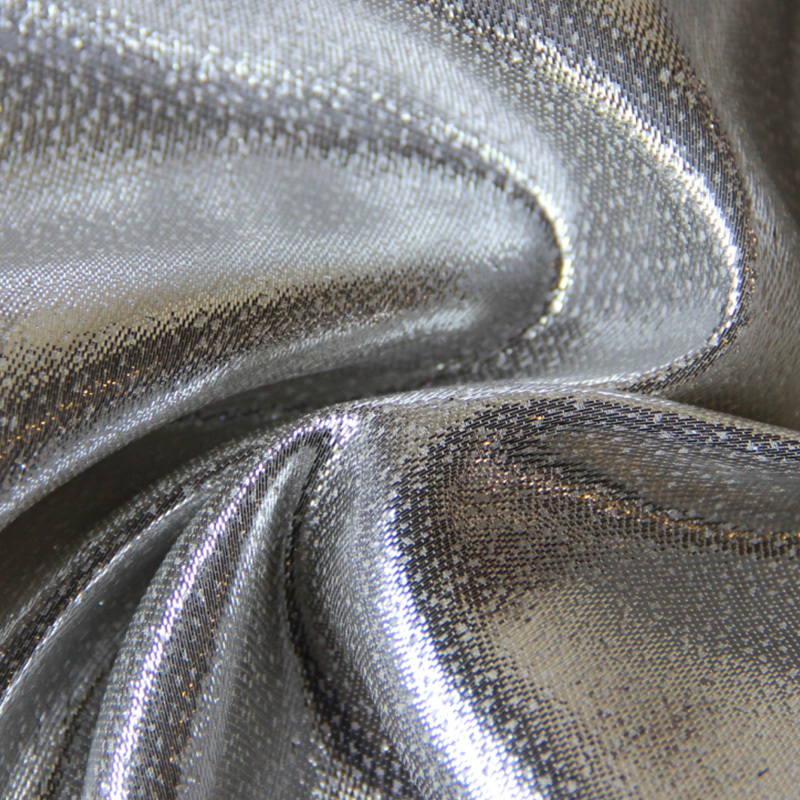
Satin is defined by its weave, not its fiber content. In a satin weave, warp threads (running lengthwise) float over multiple weft threads before interlacing, creating long surface floats that reflect light uniformly. This is what produces satin's signature glossy face and matte back.
The most common materials used to make satin fabric today include:
- Polyester — The most widely produced satin material. Durable, affordable, and widely available. Accounts for over 60% of global satin fabric production.
- Silk — The original and most prized satin material. Lightweight, breathable, and naturally temperature-regulating.
- Rayon (viscose) — A semi-synthetic fiber derived from cellulose. Softer drape than polyester, closer to silk in feel.
- Nylon — Strong and lightweight, often used in activewear and lingerie satin.
- Acetate — A plant-based synthetic with a silk-like sheen, commonly used in lining fabrics.
- Cotton (sateen) — When cotton is woven in a satin structure, it's technically called sateen, producing a softer, less glossy sheen used in bedding.
The weave pattern itself — typically a 4-over-1 or 8-over-1 float — determines the level of sheen. A higher float count creates a glossier surface, regardless of fiber type.
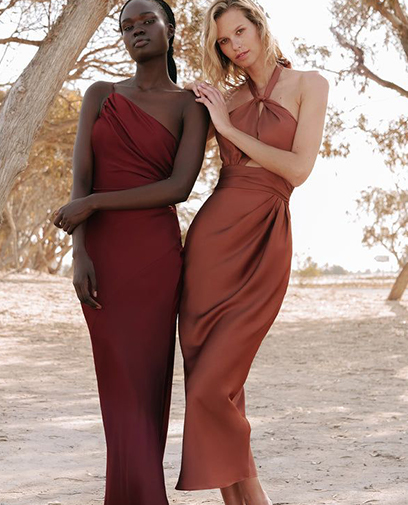
Satin vs Silk Fabric: Key Differences
The satin vs silk comparison is often misunderstood. Silk is a raw material; satin is a construction method. Here's how they differ across the most important categories:
| Property | Satin (Polyester) | Silk Satin | Pure Silk (non-satin) |
|---|---|---|---|
| Origin | Synthetic (petroleum-based) | Natural + weave structure | Natural (silkworm cocoons) |
| Breathability | Low | High | High |
| Sheen | High gloss, uniform | Luminous, depth-of-color | Soft, natural luster |
| Price range | $2–$10/yard | $30–$100+/yard | $15–$80/yard |
| Durability | High | Moderate | Moderate |
| Care | Machine washable | Dry clean recommended | Hand wash or dry clean |
| Hypoallergenic | No | Yes (naturally) | Yes (naturally) |
The most important practical difference: silk satin breathes and regulates temperature; polyester satin does not. For sleepwear, bedding, or warm-weather garments, this distinction has a direct impact on comfort.
What Is Silk Fabric and Silk Material
Silk is a natural protein fiber (fibroin) produced by the larvae of the Bombyx mori silkworm. A single cocoon yields a continuous filament between 300 and 900 meters long. Multiple filaments are reeled together to form a thread, which is then woven into fabric.
Silk's unique properties come from its triangular prism-like fiber structure, which refracts light at different angles — producing its natural sheen. It is also one of the strongest natural fibers by weight, with a tensile strength comparable to steel at the same diameter.
Key characteristics of silk material include:
- Temperature regulation — Naturally keeps wearers cool in heat and warm in cold.
- Moisture-wicking — Can absorb up to 30% of its weight in moisture without feeling damp.
- Hypoallergenic — Naturally resistant to dust mites, mold, and mildew.
- Protein-based — Compatible with human skin proteins, making it gentle for sensitive skin.
Silk is graded by momme weight (mm) — a unit measuring the weight of 100 yards of fabric 45 inches wide. A 19mm silk is mid-weight and suitable for most garments; 22–30mm is considered heavyweight, used in upholstery and bedding. Lower momme (6–12mm) is lighter and more translucent, suited for scarves and linings.
Kinds of Silk Fabric
Silk fabric is not a single product — it encompasses a wide family of textiles that differ in weave, texture, and intended use. The kind of silk fabric matters as much as the fiber itself when choosing for a specific application.
Silk Charmeuse
A satin-weave silk with a highly lustrous face and a dull, crepe-like back. Lightweight and fluid, it drapes beautifully against the body. Commonly used in lingerie, evening gowns, and blouses. Momme weight typically ranges from 12–22mm.
Silk Chiffon
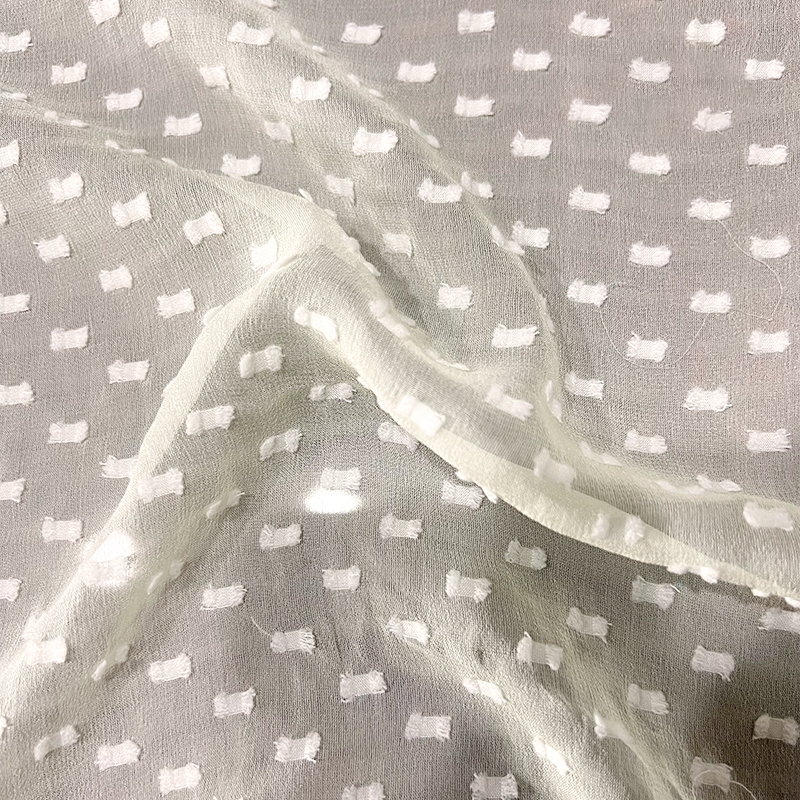
A plain-weave silk with an open, sheer structure. Very lightweight (6–8mm), with a slightly rough texture caused by alternating S- and Z-twist yarns. Used in overlays, scarves, and layered evening wear. It does not share satin's gloss — instead it has a soft, matte transparency.
Silk Dupioni
A crisp, textured silk woven from two different silk threads simultaneously, creating natural slubs (irregular thickenings) in the fabric. It has a distinctive sheen but a rougher hand than charmeuse. Often used in structured garments, bridal wear, and home furnishings.
Silk Crepe de Chine
A flat, non-textured crepe silk with a subtle sheen. Heavier than chiffon but still fluid. The crinkled texture comes from highly twisted yarns, giving it natural stretch recovery and a more matte appearance than satin. Widely used in blouses, dresses, and scarves.
Silk Taffeta
A plain-weave silk that is crisp, smooth, and has a slight sheen. Known for its characteristic rustling sound when moved. Frequently used in ball gowns, structured skirts, and formal linings. Less soft than charmeuse but holds shape extremely well.
Silk Organza
An extremely fine, sheer, and stiff plain-weave silk. Stiffer than chiffon, it holds its shape when layered. Used in couture, bridal veils, and structured overlays. Momme weight is typically very low (4–6mm), making it one of the lightest silk fabrics.
Mulberry vs Tussar vs Wild Silk
Silk is also categorized by its silkworm source. Mulberry silk (from Bombyx mori fed exclusively on mulberry leaves) is the finest and most uniform — it accounts for about 90% of global silk production. Tussar silk is produced by wild silkworms and has a coarser texture with a natural golden tone. Muga silk, produced only in Assam, India, is known for its natural golden sheen that intensifies with washing over time.
How to Tell Satin and Silk Apart
Because synthetic satin imitates silk's appearance, distinguishing the two can be difficult visually. Several practical tests help:
The Burn Test
Burn a small thread from an inconspicuous seam. Silk burns slowly, smells like burning hair (protein-based), and leaves a fine, crushable ash. Polyester satin melts, smells chemical, and leaves a hard plastic bead. Rayon burns quickly and smells like burning paper.
The Touch and Warmth Test
Rub the fabric between your fingers. Real silk warms quickly from body heat and feels smooth without sticking. Polyester satin stays cool and may cling slightly due to static. Silk also has a subtle give under friction that synthetics lack.
Price and Label Check
Silk satin at retail typically starts at $30 per yard for mid-quality fabric and rises significantly for high-momme weights. If a product is labeled "satin" without specifying "silk" and costs under $15/yard, it is almost certainly polyester. Look for momme weight listings as a marker of genuine silk.
Choosing Between Satin and Silk for Different Uses
The best fabric depends entirely on the application. Here is a practical guide based on common use cases:
| Use Case | Best Choice | Reason |
|---|---|---|
| Bridal gowns | Silk satin or silk dupioni | Heirloom quality, natural drape, photographs beautifully |
| Everyday sleepwear | Polyester satin | Durable, machine washable, affordable |
| Hair and skin care | Silk (pillowcases, bonnets) | Reduces friction, moisture-wicking, hypoallergenic |
| Costume and event wear | Polyester satin | Cost-effective for single-use garments |
| Luxury bedding | Silk (22–25mm) | Temperature regulation, skin benefits |
| Scarves and accessories | Silk chiffon or crepe de chine | Lightweight, color depth, longevity |
| Upholstery and home décor | Silk dupioni or polyester satin | Structure and visual impact at varying price points |
Care and Longevity of Satin and Silk Fabrics
Proper care dramatically extends the life of both fabric types. The rules differ significantly based on fiber content.
Caring for Polyester Satin
- Machine wash on a delicate or cold cycle in a mesh laundry bag.
- Avoid high heat in the dryer — polyester can melt or warp above 60°C (140°F).
- Iron on the lowest setting with a pressing cloth, or use steam from a distance.
- Store flat or loosely rolled to prevent permanent creasing of the weave.
Caring for Silk Fabric
- Hand wash in cool water with a pH-neutral detergent (such as baby shampoo), or dry clean.
- Never wring or twist silk — press gently in a towel to remove excess water.
- Dry away from direct sunlight — UV exposure degrades silk protein and fades color.
- Iron on a cool setting while slightly damp, on the reverse side only.
- Store in breathable fabric bags (not plastic) to prevent yellowing and fiber breakdown.
With proper care, high-quality silk garments can last decades. A 22mm silk charmeuse blouse, properly stored and washed, will retain its luster and structure far longer than a polyester equivalent that begins to pill and lose sheen after 30–50 washes.
 previous post