中文简体
中文简体 Français
 Deutsch
 italiano
Silk Blend Fabric vs Cotton and Wool Blends: Material Performance Compared
Content
- 1 Understanding Fiber Blends and Performance Expectations
- 2 Fiber Composition and Structural Characteristics
- 3 Comfort, Breathability, and Thermal Behavior
- 4 Durability, Wear Resistance, and Shape Retention
- 5 Maintenance Requirements and Practical Care
- 6 Application Suitability Across Use Cases
- 7 Performance-Based Selection Considerations
Understanding Fiber Blends and Performance Expectations
Silk blend fabric, cotton blends, and wool blends are all designed to balance natural fiber characteristics with practical performance requirements. Instead of focusing on luxury or price positioning, material performance comparison should consider how each blend behaves in real use scenarios such as daily wear, seasonal comfort, maintenance frequency, and long-term durability. Each blend type delivers a different combination of texture, strength, and adaptability, which directly affects its suitability for apparel and textile products.
Fiber Composition and Structural Characteristics
Silk Blend Fabric Structure
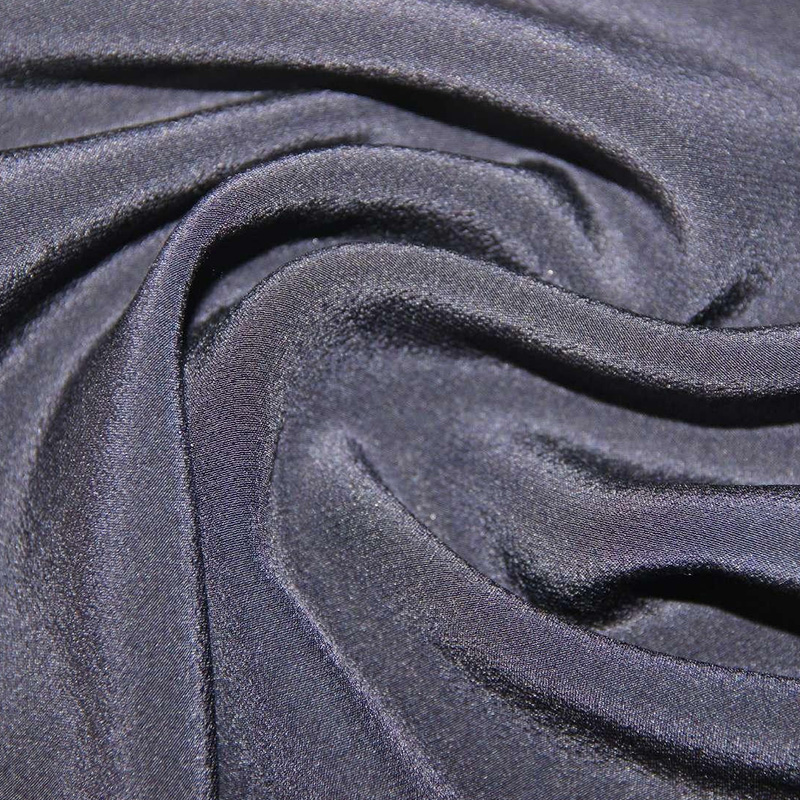
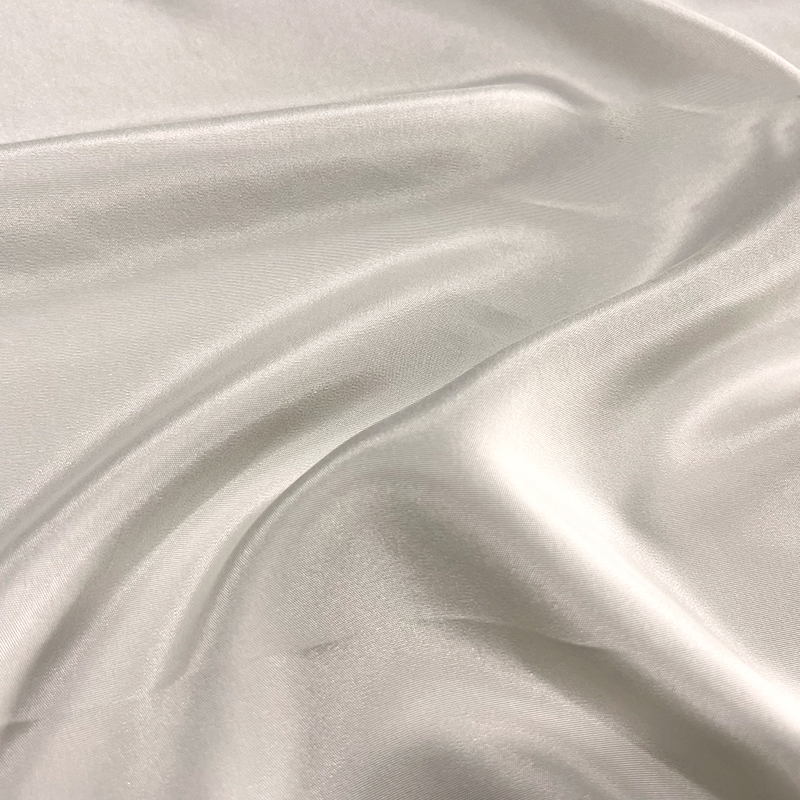
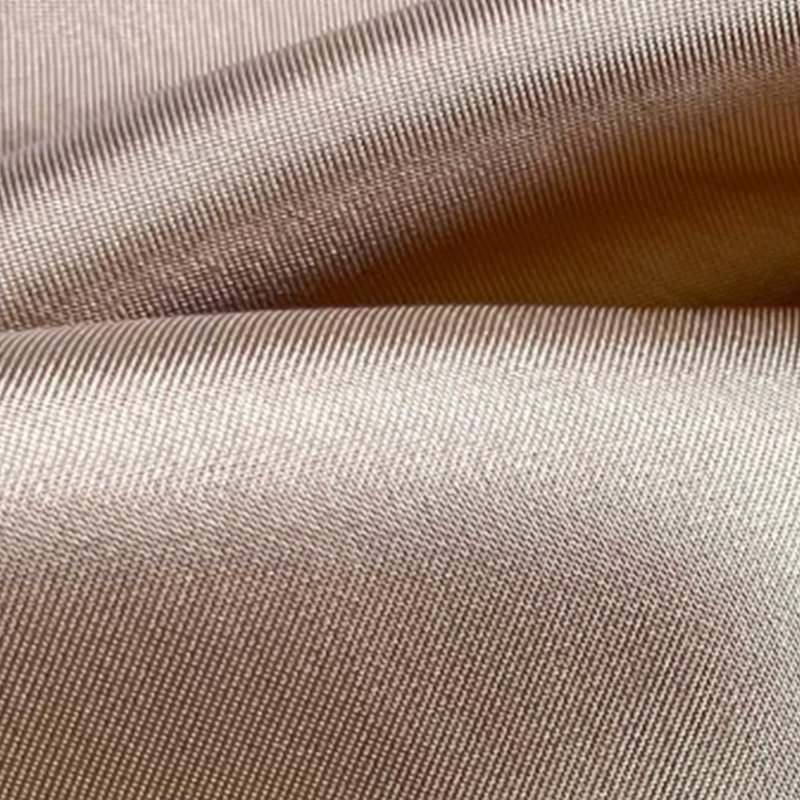
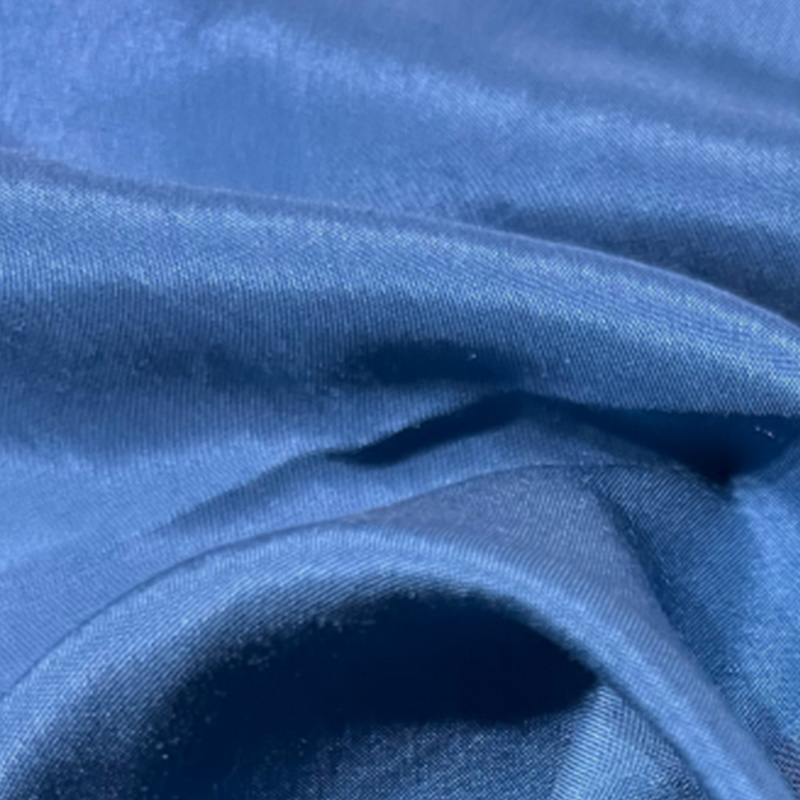
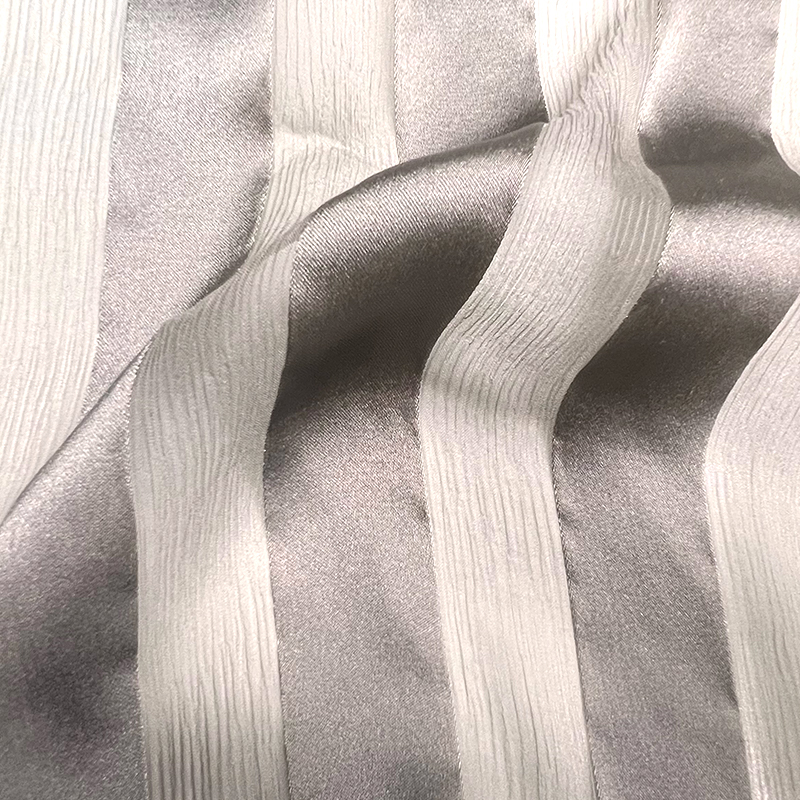
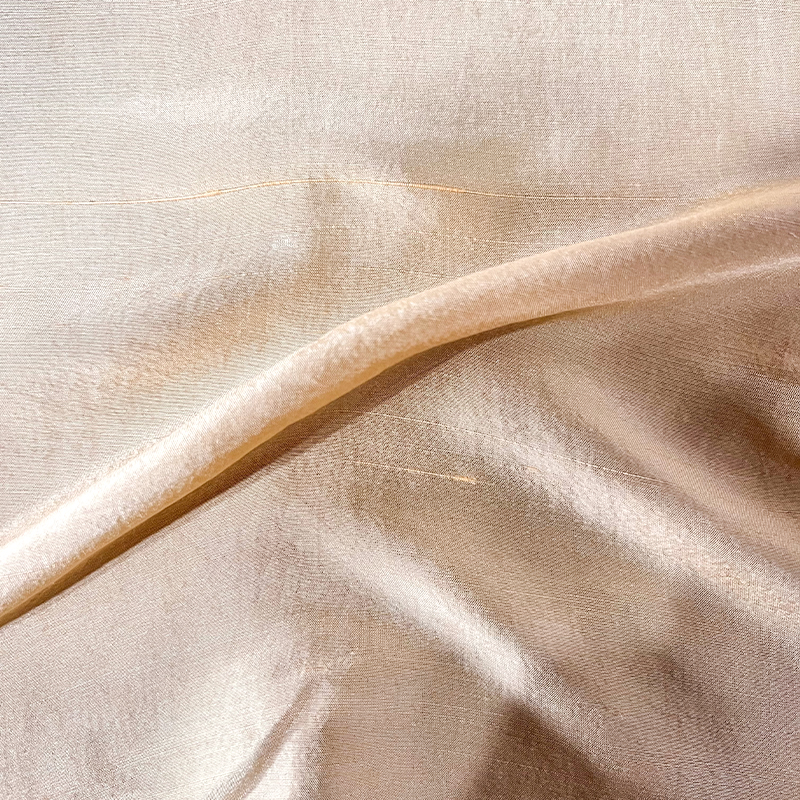
Silk blend fabric typically combines silk filaments with fibers such as polyester, cotton, viscose, or wool. The silk component contributes smoothness, natural sheen, and excellent drape, while the secondary fiber improves dimensional stability, abrasion resistance, or cost efficiency. The resulting fabric often maintains a refined surface appearance while reducing the fragility commonly associated with pure silk.
Cotton and Wool Blend Structures
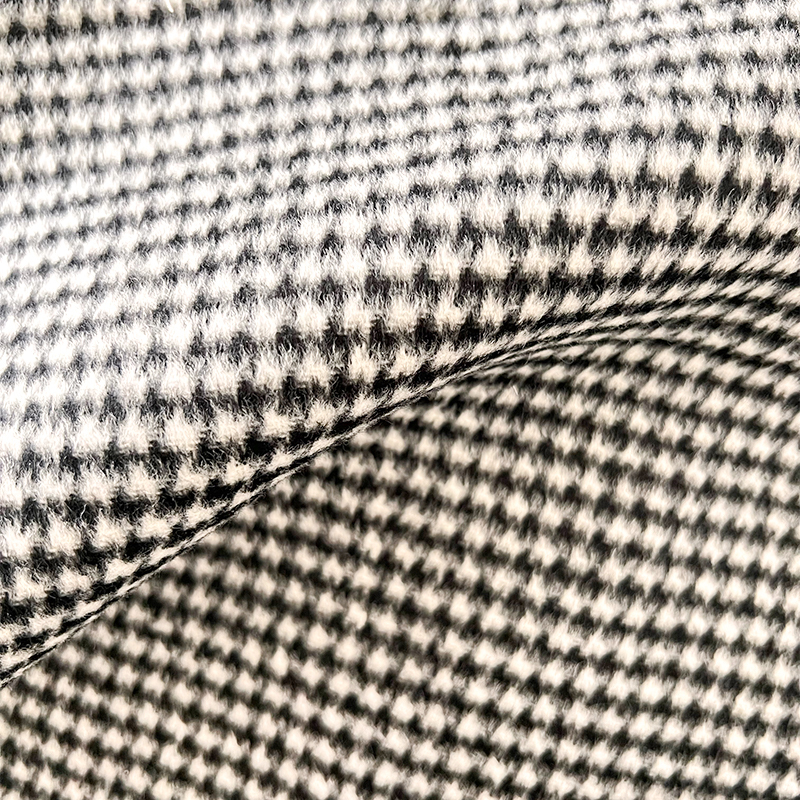
Cotton blends usually integrate cotton with synthetic fibers like polyester or elastane to enhance strength, wrinkle resistance, and shape retention. Wool blends often combine wool with acrylic, nylon, or silk to adjust insulation, weight, and elasticity. These structural differences influence yarn density, weave stability, and overall fabric resilience.
Comfort, Breathability, and Thermal Behavior
Comfort performance varies significantly among silk blend fabric, cotton blends, and wool blends. Silk blends offer a cool-to-the-touch feel with moderate breathability, making them suitable for transitional seasons and indoor environments. Cotton blends emphasize airflow and moisture absorption, while wool blends regulate body temperature by trapping air within the fiber structure.
- Silk blend fabric provides smooth skin contact and controlled moisture evaporation
- Cotton blends favor high breathability and quick sweat absorption
- Wool blends excel in insulation and temperature balance across varying climates
Durability, Wear Resistance, and Shape Retention
From a performance perspective, durability is a key factor in fabric selection. Silk blend fabric demonstrates improved tensile strength compared to pure silk, especially when reinforced with synthetic fibers. Cotton blends generally show strong resistance to repeated washing but may lose surface smoothness over time. Wool blends maintain structural integrity well but can be sensitive to friction and improper care.
Maintenance Requirements and Practical Care
Maintenance performance often determines long-term usability. Silk blend fabric typically requires gentler washing conditions than cotton blends but is more forgiving than pure silk. Cotton blends support frequent laundering with minimal shrinkage, while wool blends demand careful temperature control to prevent felting or deformation.
| Fabric Type | Washing Tolerance | Wrinkle Resistance | Care Complexity |
| Silk Blend Fabric | Moderate | Medium | Medium |
| Cotton Blends | High | Medium to High | Low |
| Wool Blends | Low to Moderate | High | High |
Application Suitability Across Use Cases
Material performance ultimately determines application suitability. Silk blend fabric is frequently used in garments that require a refined appearance with manageable care, such as blouses, dresses, scarves, and linings. Cotton blends are preferred for casual wear, workwear, and high-frequency washing scenarios. Wool blends are commonly selected for outerwear, knitwear, and temperature-sensitive apparel.
Performance-Based Selection Considerations
When comparing silk blend fabric vs cotton and wool blends, performance should be evaluated based on comfort requirements, maintenance capacity, environmental conditions, and product lifecycle expectations. Silk blends occupy a middle ground, balancing tactile quality with functional stability, while cotton and wool blends cater to more specific performance priorities.
 previous post