中文简体
中文简体 Français
 Deutsch
 italiano
How Burnout Velvet Fabric Combines Texture and Transparency in Modern Textiles
Content
- 1 The Burnout Technique Behind Texture and Transparency
- 2 How Fiber Selection Shapes Visual and Tactile Results
- 3 Surface Depth Created by Pile and Sheer Contrast
- 4 Applications in Modern Interior Textiles
- 5 Use of Texture and Transparency in Apparel Design
- 6 Why Burnout Velvet Aligns with Contemporary Textile Design
The Burnout Technique Behind Texture and Transparency
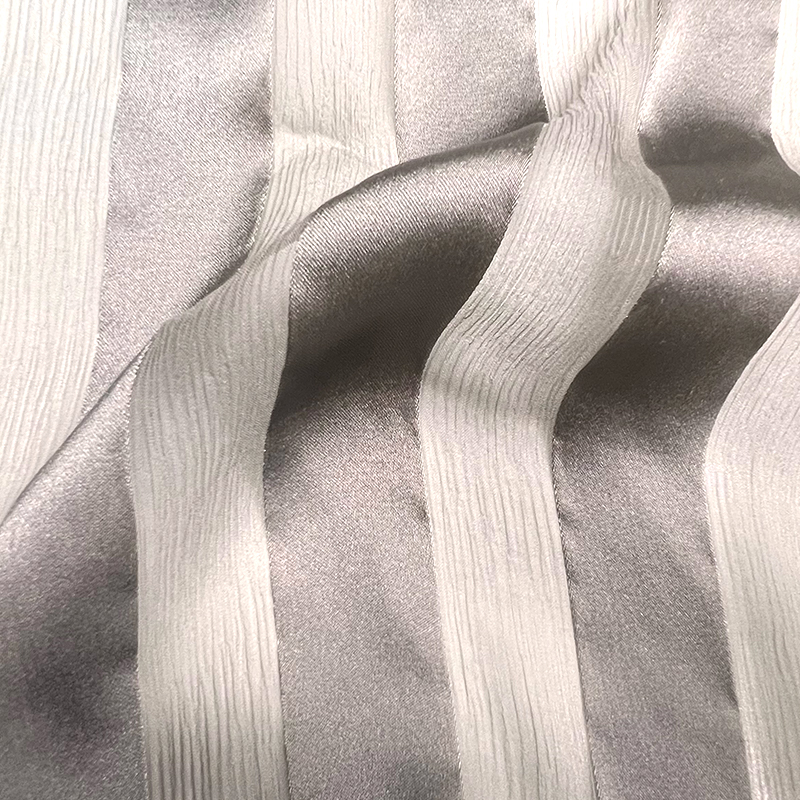
Burnout velvet fabric achieves its distinctive balance of texture and transparency through a selective fiber removal process applied to blended textiles. Instead of relying on surface printing or cutwork, the burnout technique chemically dissolves one fiber type while leaving the remaining fibers intact. This creates deliberate sheer areas that coexist with raised velvet pile, forming patterns that are embedded into the fabric structure itself.
Because the transparent sections are created at the fiber level, the contrast between dense and open areas remains consistent across the fabric surface. This structural integration allows modern textiles to deliver visual complexity without compromising material stability.
How Fiber Selection Shapes Visual and Tactile Results
The interaction between texture and transparency in burnout velvet fabric is heavily influenced by fiber composition. Common blends combine fibers with different chemical responses, allowing one component to be removed cleanly while preserving the velvet pile. The choice of fibers affects not only appearance but also hand feel, drape, and long-term performance.
- Rayon blends emphasize soft pile texture and high contrast between opaque and sheer sections.
- Polyester blends offer stronger structural support and clearer pattern definition, often used in interior textiles.
- Silk blends highlight subtle transparency transitions and natural sheen for refined visual effects.
Surface Depth Created by Pile and Sheer Contrast
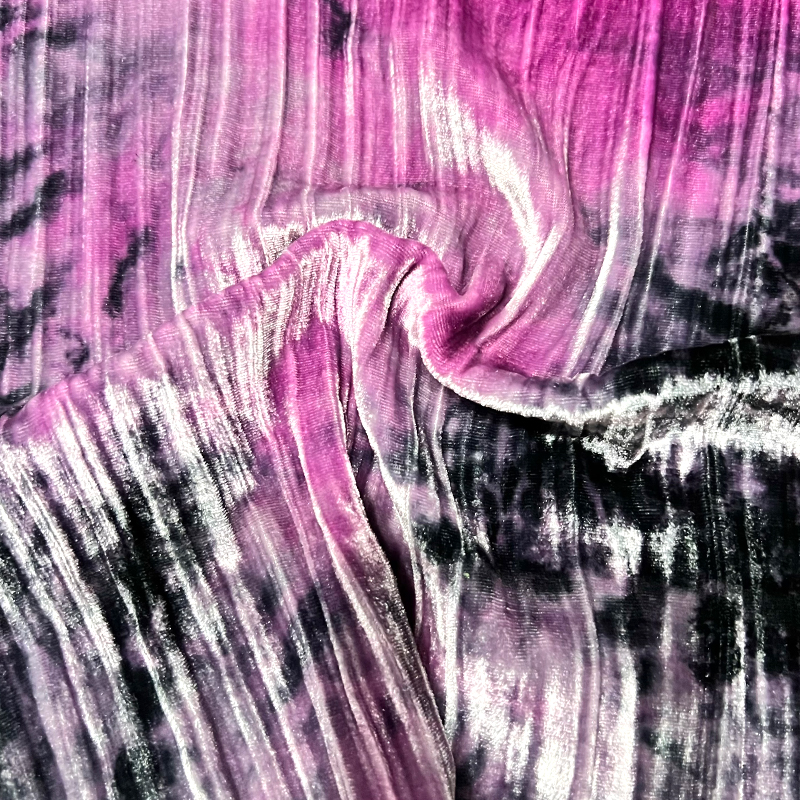
The defining feature of burnout velvet fabric lies in the contrast between raised pile areas and flat, transparent zones. Velvet pile absorbs and reflects light differently from sheer sections, creating a layered surface that appears dimensional even on flat applications. This depth becomes more pronounced as lighting conditions change, making the fabric responsive rather than static.
In modern textile design, this surface behavior is used intentionally to guide visual focus. Patterned pile areas draw attention, while transparent sections soften transitions and prevent visual heaviness.
Light Interaction Across Different Viewing Angles
As the viewer’s angle shifts, velvet pile catches light at varying intensities, while sheer areas allow partial light transmission. This interaction enhances pattern visibility without relying on bold color contrasts, making burnout velvet suitable for neutral or monochromatic design schemes.
Applications in Modern Interior Textiles
In interior settings, burnout velvet fabric is commonly used where controlled transparency is desirable. Curtains, decorative drapery, and space dividers benefit from the ability to filter light while maintaining visual interest. The fabric allows interiors to feel layered without adding multiple textile elements.
For hospitality and commercial interiors, burnout velvet provides pattern and texture without fully blocking sightlines. This makes it suitable for semi-private areas that require separation without enclosure.
| Interior Use | Texture Role | Transparency Function |
| Window Curtains | Adds surface depth and softness | Filters daylight without full blockage |
| Decorative Panels | Highlights patterned pile areas | Maintains visual openness |
| Room Dividers | Defines zones through texture | Allows partial visibility between spaces |
Use of Texture and Transparency in Apparel Design
In apparel, burnout velvet fabric enables designers to integrate transparency directly into garment surfaces rather than adding separate sheer panels. This approach maintains continuity of texture while introducing visual lightness. Dresses, tops, and stage garments often use burnout patterns to accentuate movement and silhouette.
The coexistence of opaque and sheer areas also reduces the need for complex construction techniques. Pattern placement becomes the primary tool for shaping visual emphasis, allowing garments to appear intricate while remaining structurally straightforward.
Why Burnout Velvet Aligns with Contemporary Textile Design
Modern textile design places increasing value on materials that combine multiple functions within a single fabric. Burnout velvet fabric aligns with this approach by merging texture, transparency, and pattern into one cohesive structure. Its ability to deliver visual depth without excessive layering supports both minimalist and decorative design directions.
By offering controlled transparency alongside rich surface texture, burnout velvet continues to serve as a practical material choice for designers seeking balance between visual impact and functional adaptability in contemporary textiles.
 previous post