中文简体
中文简体 Français
 Deutsch
 italiano
Bonding Fabric Together: Create Reversible, Lining-Free Garments
Content
- 1 What a Bonded Fabric Actually Delivers to the Garment Maker
- 2 The Mechanics of a Permanent Textile-to-Textile Bond
- 3 Bonding Methods and Their Garment End-Uses
- 4 The Structural Advantage: Eliminating the Lining
- 5 Designing for True Reversibility
- 6 Pressing and Production Considerations for Bonded Fabrics
What a Bonded Fabric Actually Delivers to the Garment Maker
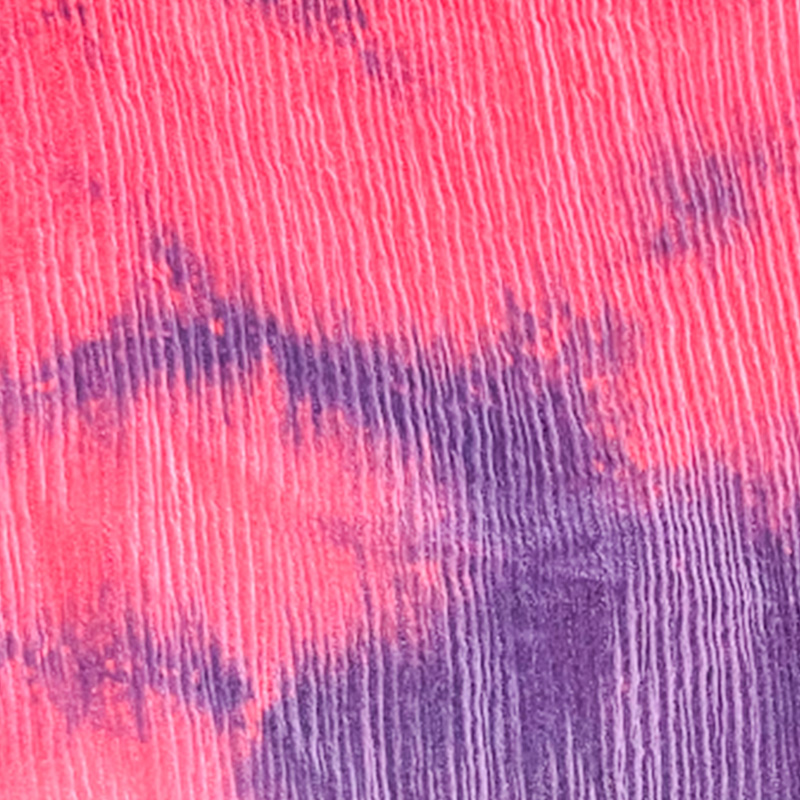
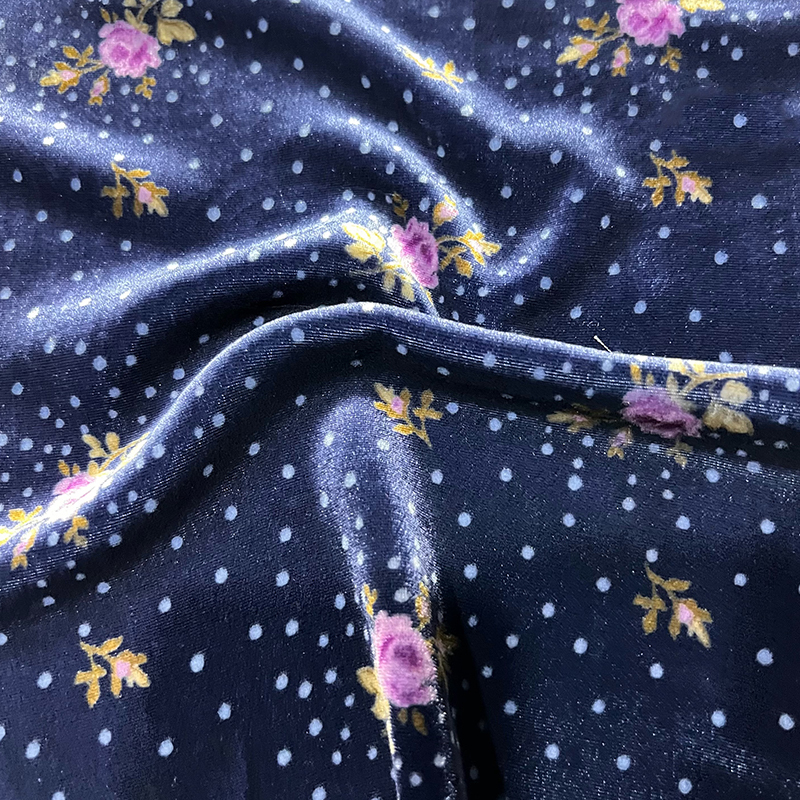
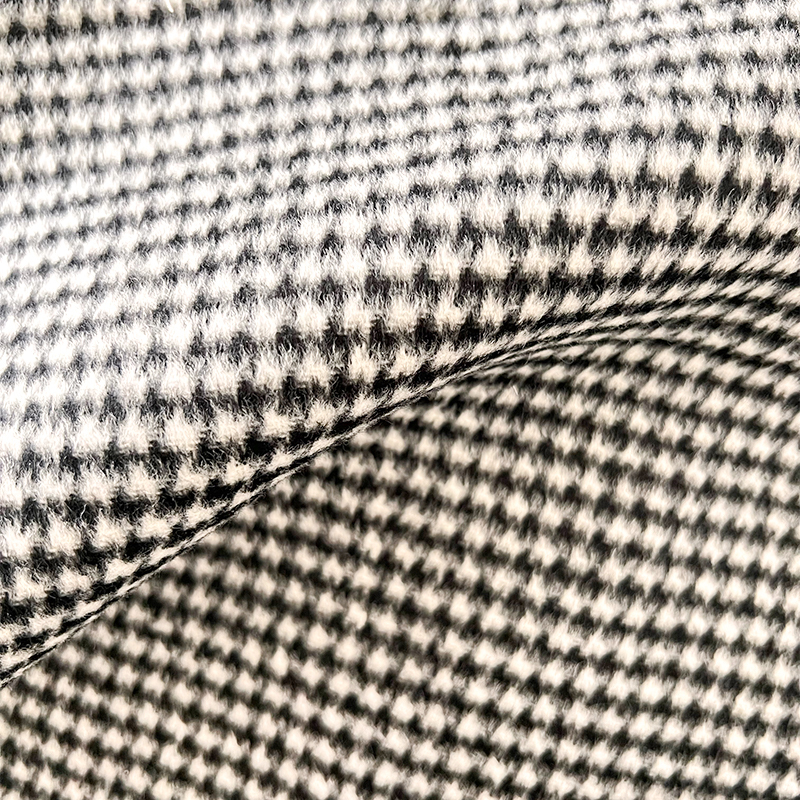
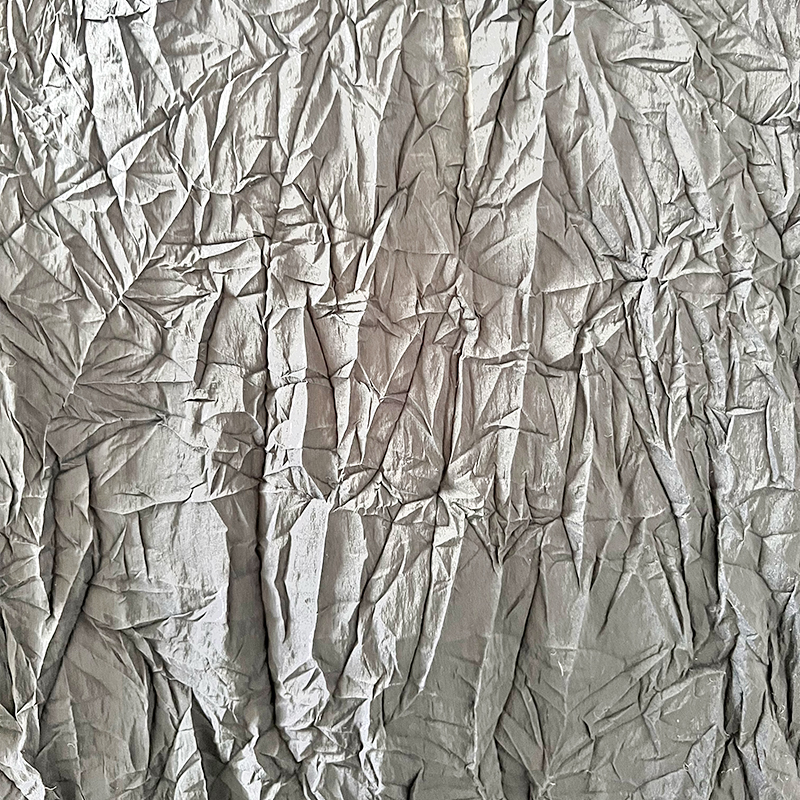
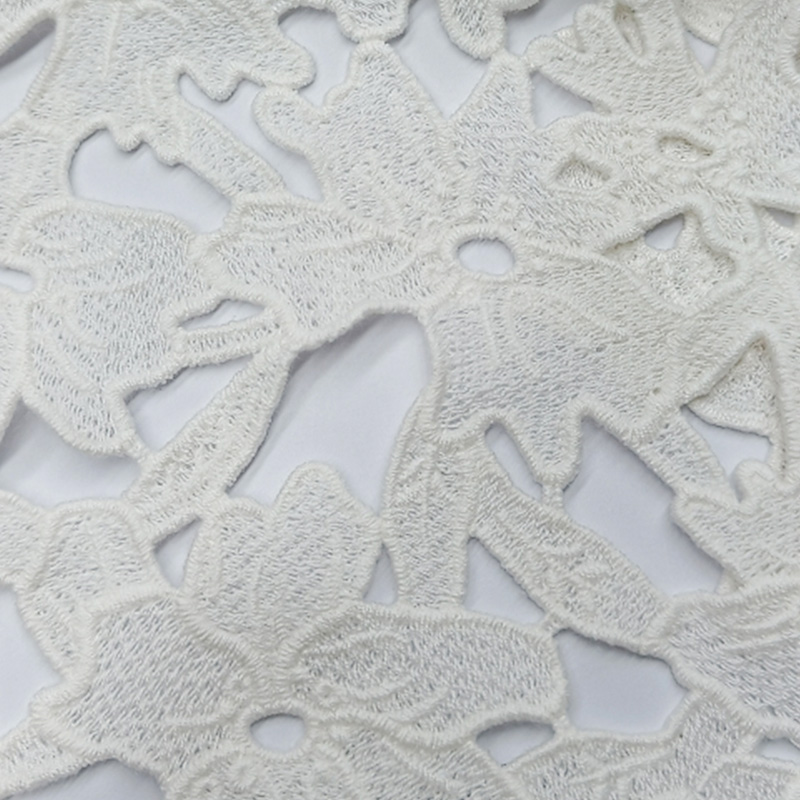
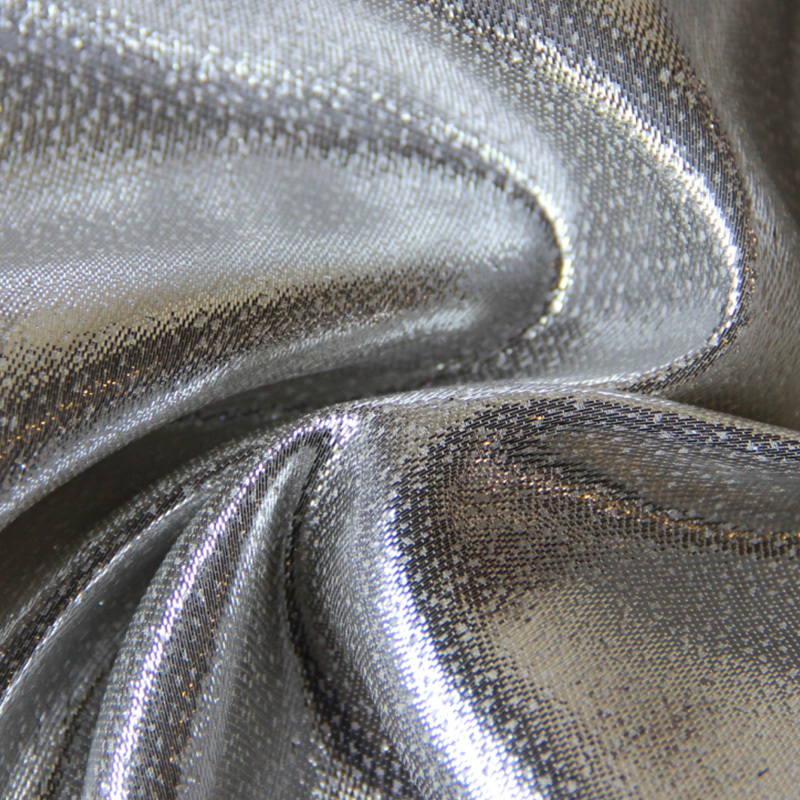
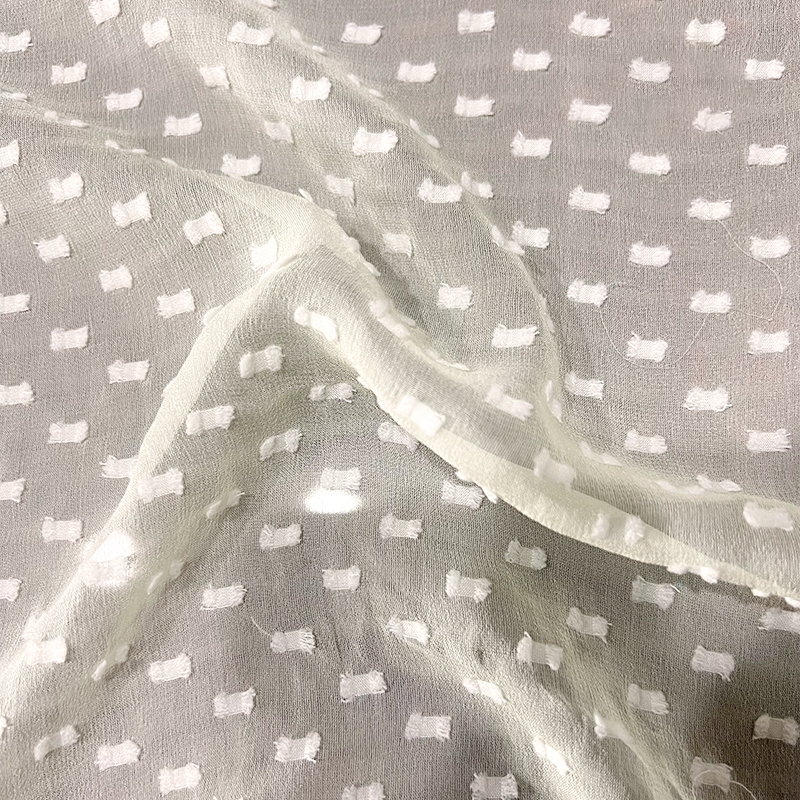
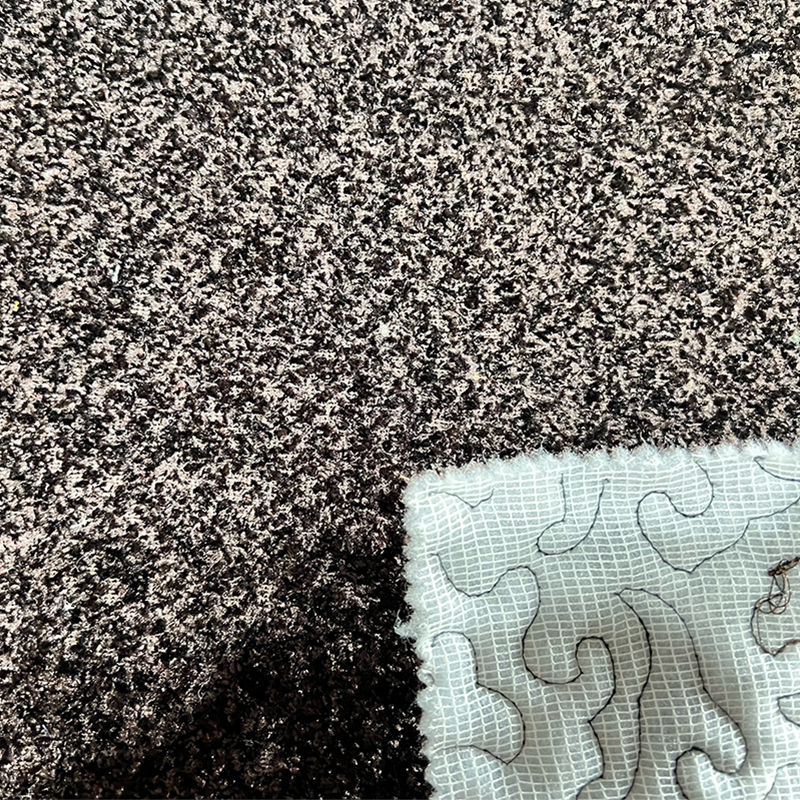
Bonding fabric together is the process of permanently laminating two independent textiles into a single, composite material that behaves as one unified cloth. The immediate practical outcome is a fabric that is heavier, double-sided, and structurally self-supporting. This means a blazer or outerwear garment cut from this material does not require a separate lining; the inner face of the bonded fabric is itself the finished interior. The composite is also fully reversible, offering two distinct aesthetic faces—perhaps a wool check on one side and a solid microfiber on the other—in a single garment. This eliminates the labor cost and material consumption of cutting, assembling, and attaching a separate lining, while creating a garment with a clean, uncluttered interior finish and dual-wear functionality.
The Mechanics of a Permanent Textile-to-Textile Bond
The bond between the two fabrics must survive the stresses of wearing, body movement, and repeated cleaning cycles without delamination, bubbling, or stiffening. This is not a simple glue line; it is an engineered interface. The two most common industrial methods for achieving this are flame lamination and hot-melt adhesive lamination. In flame lamination, a polyurethane foam layer is partially melted on one surface by a controlled gas flame, creating a tacky molten polymer surface that acts as both the adhesive and a resilient cushion layer between the two fabrics. In hot-melt lamination, a thermoplastic adhesive film or web is melted between the two fabric layers under precisely controlled heat and pressure. The key performance metric is the bond peel strength, which must exceed 2.0 N/cm as per ISO 2411 for outerwear to ensure the faces remain inseparable throughout the garment's service life.
The Critical Role of Adhesive Choice
The adhesive is not an afterthought; it defines the drape, breathability, and washability of the final fabric. A poorly chosen adhesive turns a supple wool into a stiff board. Polyurethane reactive (PUR) hot melts are the gold standard for garment bonding because they form a cross-linked, thermoset bond that is resistant to dry-cleaning solvents and machine washing at 40°C, and they do not reactivate under pressing or ironing heat. In contrast, cheaper EVA-based adhesives will soften when the garment is pressed, causing delamination on the production line. For a bonded wool blazer, the adhesive is applied in a fine dot pattern, covering typically 30% to 50% of the surface area, which preserves the natural hand feel and drape of the wool while creating a permanent bond.
Bonding Methods and Their Garment End-Uses
Not all bonded fabrics are created equal. The choice of bonding method determines the fabric's final hand feel, drape, and suitability for a specific garment type. The following table maps the primary bonding technologies to their typical application in jackets and outerwear.
| Bonding Method | Intermediate Layer | Resulting Fabric Characteristic | Typical Garment Application |
|---|---|---|---|
| Flame Lamination | Thin polyurethane foam | Soft, padded feel; high insulation | Winter outerwear, parkas |
| Hot-Melt Web Lamination | Thermoplastic adhesive web | Firm, structured; retains creases | Structured blazers, lapels |
| Dot-Lamination (PUR) | Reactive PUR adhesive dots | Flexible, drapeable, washable | Reversible soft jackets, cardigans |
| Full-Face Film Lamination | Continuous TPU film | Windproof, waterproof, rigid | Technical raincoats, shells |
The Structural Advantage: Eliminating the Lining
A conventionally tailored jacket requires a separate lining—usually viscose, silk, or polyester—to conceal internal construction, pockets, and seam allowances. This requires an additional set of patterns, a separate cutting operation, and meticulous hand or machine insertion. A bonded fabric bypasses all of this. The two faces are cut as one; the inside face is the finished surface. Seam allowances are either bound with bias tape or finished with a clean binding, visible as a design feature rather than hidden. This construction method is particularly suited to modern, minimalist blazer designs where the garment interior is exposed at open-front edges or when the wearer deliberately turns back the cuff to reveal the contrasting inner face.
Clean Edge Finishes Without Facing or Lining
The raw edge of a bonded fabric is stable and does not fray or curl because the adhesive layer locks the yarns of both faces in place. This allows for a signature garment detail: the unlined, cut-edge finish. The edge is simply cut clean and left exposed, or finished with a single-needle topstitch close to the edge. This works brilliantly on collarless jackets and open-front cardigans where a traditional facing would add bulk. For a heavier bonded wool, laser cutting is often used to seal the edge with a fine, fused bead that prevents any possible fraying while creating a perfect, crisp contour that mirrors the precision of the pattern piece.
Designing for True Reversibility
A reversible garment made from bonded fabric demands a fundamental shift in construction thinking. Every detail visible on one side must be equally considered for the reverse side. Pockets must be functional from both sides, closures must be operable in both directions, and labels must not interfere. The typical solution is a welt pocket constructed as a standalone unit that is topstitched into a precisely cut window in the bonded fabric, finished on both sides with the pocket bag made from the self-fabric. Zippers are specifically selected as double-slider, reversible types, with the tape sandwiched between the two fabric layers during the bonding or insertion process so that no raw zipper tape is visible from either side.
Seam Construction for Two-Face Exposure
The strongest seam for a reversible bonded jacket is the flat fell seam, sewn with a double-needle machine that creates two parallel rows of stitching visible from the outside. The raw seam allowance is enclosed within the fell, presenting a clean, finished appearance on both faces. An alternative is the bound seam, where a separate strip of self-fabric or contrast binding is wrapped over the raw edge and topstitched down. For a reversible wool and satin-bonded blazer, the seam might be intentionally constructed with a slight offset so that one face wraps slightly over the edge, creating a deliberate, piped detail that signals the jacket's reversibility.
Pressing and Production Considerations for Bonded Fabrics
A bonded fabric responds to heat, steam, and pressure differently than a single-layer textile. The fusible interlinings typically used in collars and fronts are often unnecessary because the adhesive layer in the bonded fabric already provides the required structural stiffness. However, this also means that the fabric is susceptible to delamination at the cut edges if exposed to excessive heat during pressing. The production pressing temperature must be calibrated to remain at least 20°C below the activation point of the bonding adhesive. For a fabric bonded with a standard hot-melt web, this means keeping the iron temperature strictly under 120°C, and using a press cloth to diffuse direct heat. The final pressing operation is the critical control point that ensures the delivered garment has perfectly flat seams and zero visible bubbling between the two fabric layers.
 previous post