中文简体
中文简体 Français
 Deutsch
 italiano
Comparing Noil Silk Fabric to Other Silk Variants in Texture and Durability
Content
Understanding Noil Silk Fabric
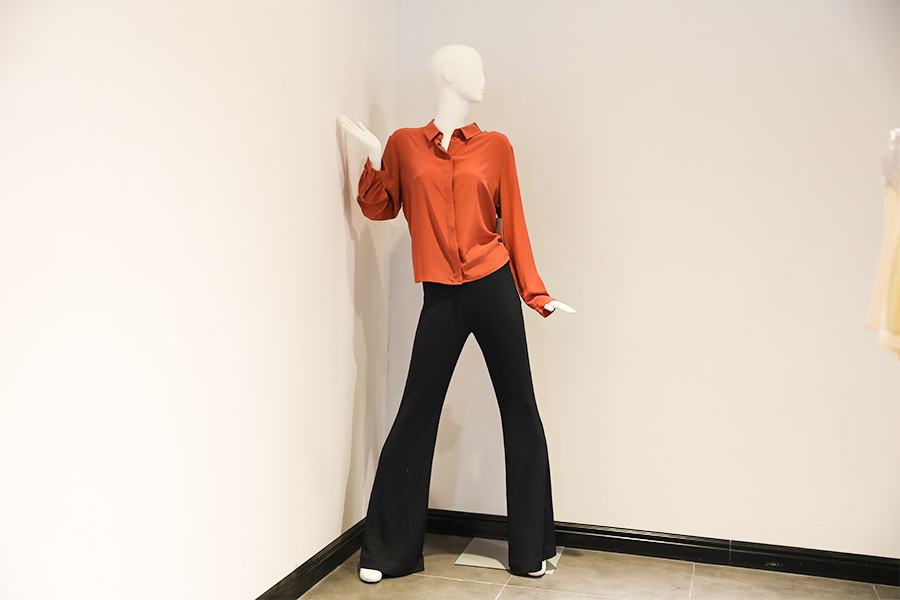
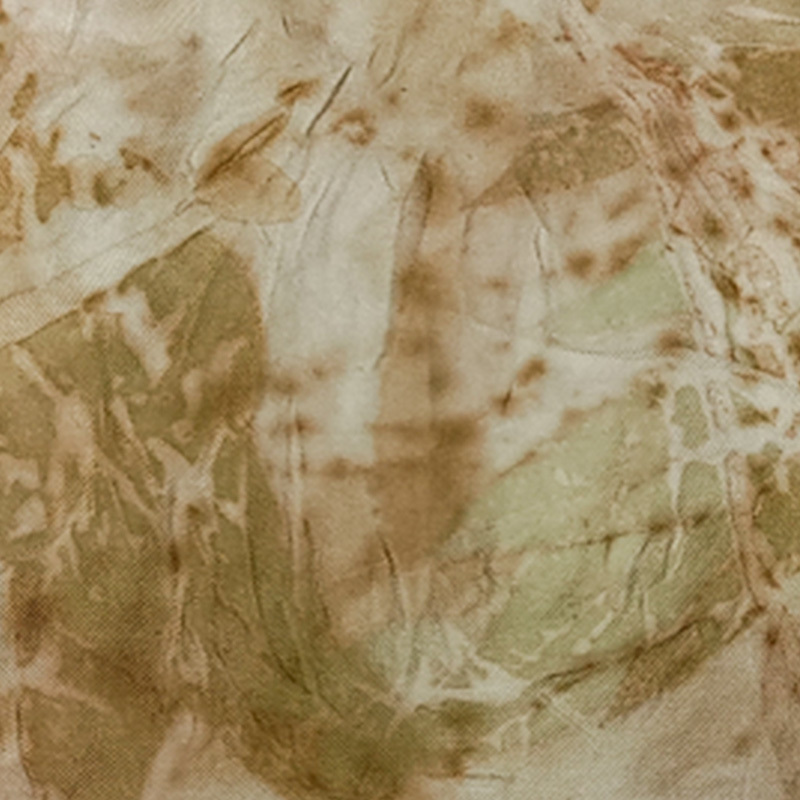
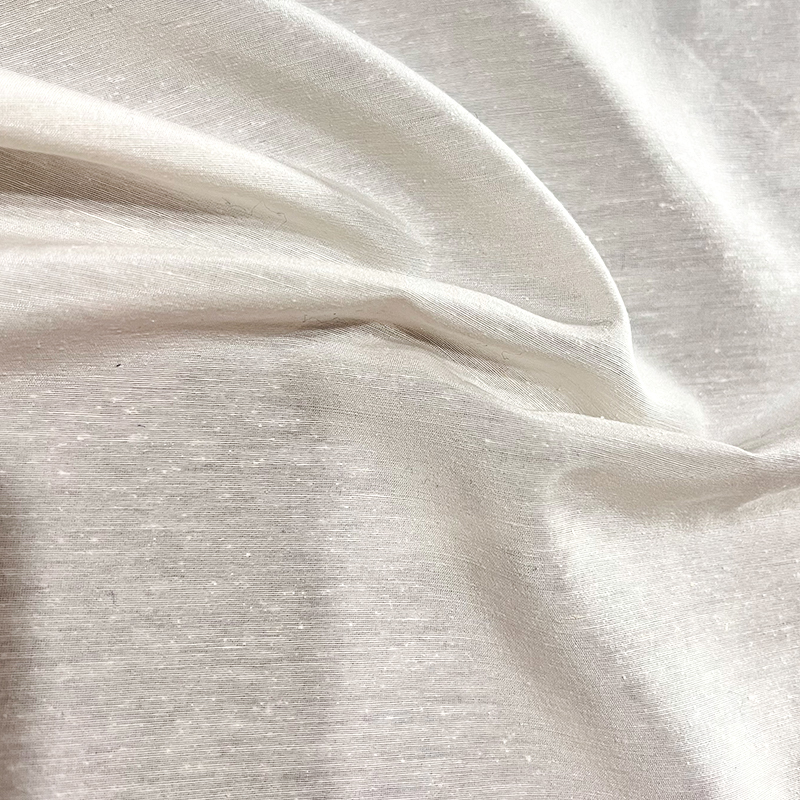
Noil silk fabric is a unique form of silk created from the shorter fibers left over after combing longer silk filaments. It is known for its slightly textured surface, matte finish, and lightweight feel, making it distinct from traditional smooth silk fabrics. Comparing Noil silk to other silk variants in terms of texture and durability helps designers, manufacturers, and consumers choose the right fabric for garments and home textiles.
Texture Comparison Between Noil Silk and Other Silks
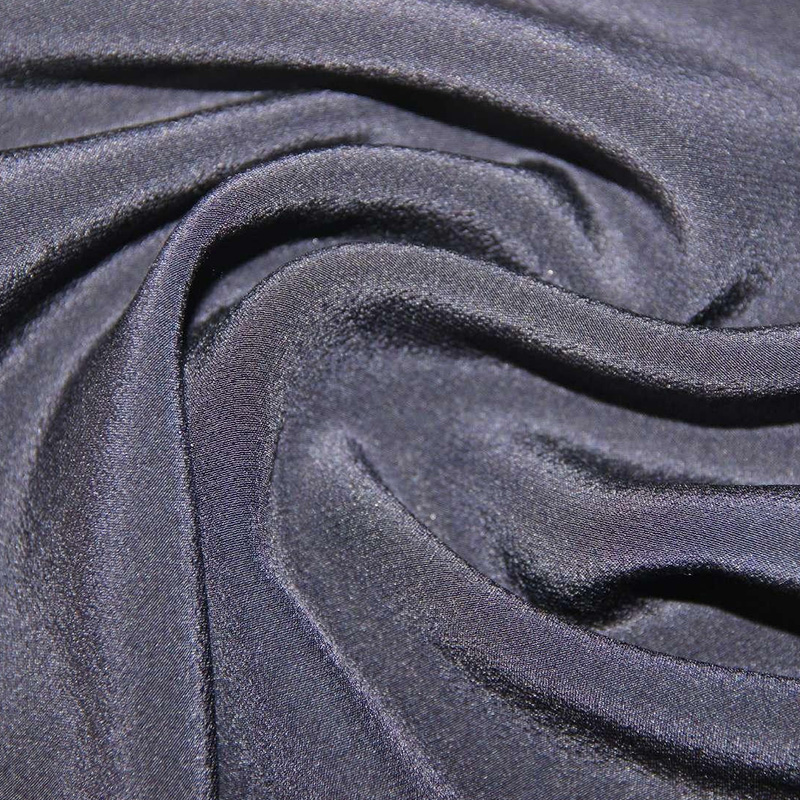
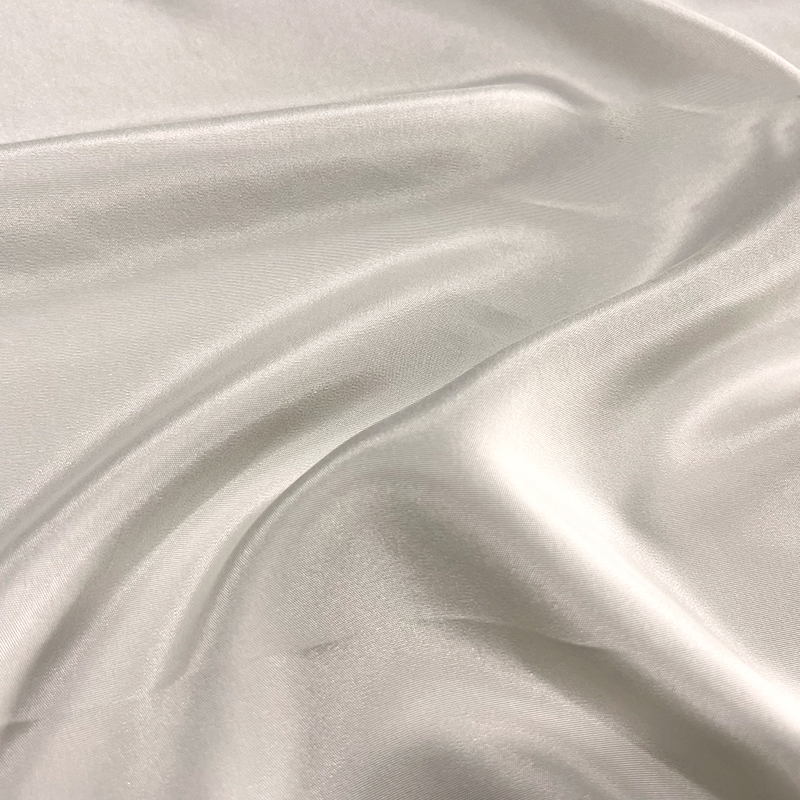
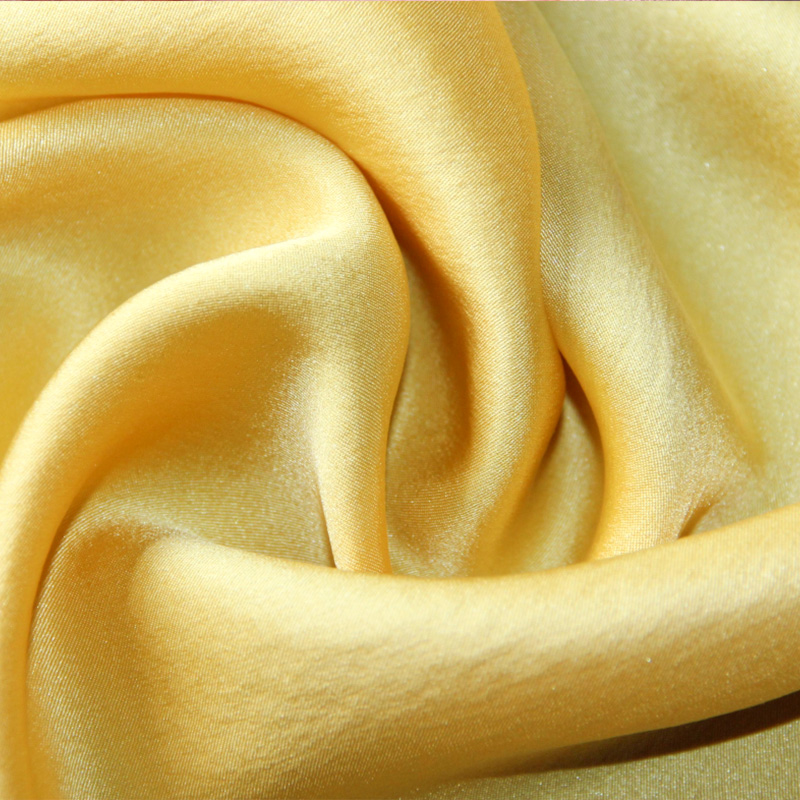
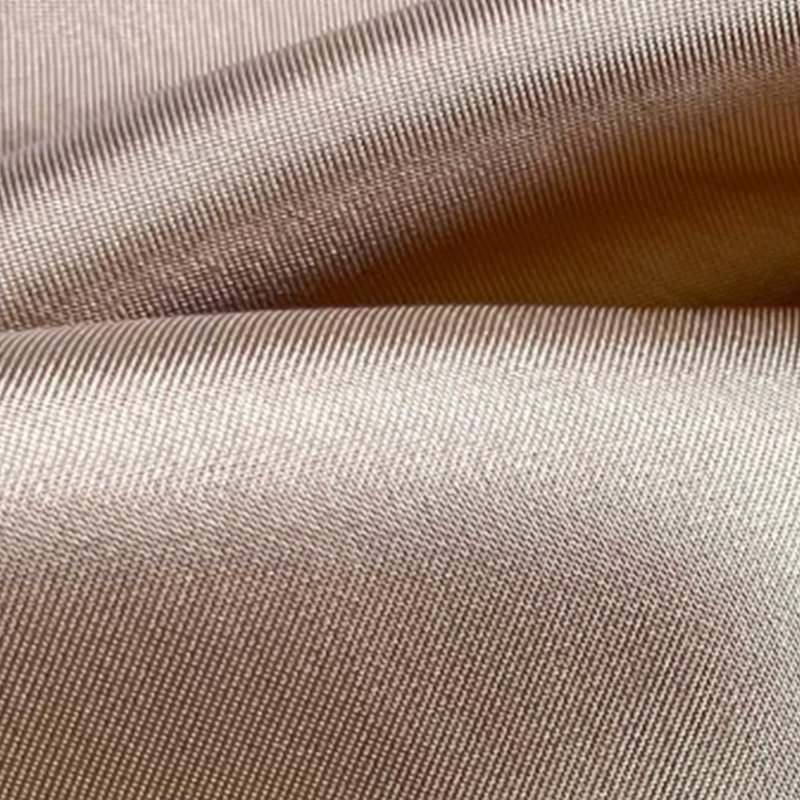
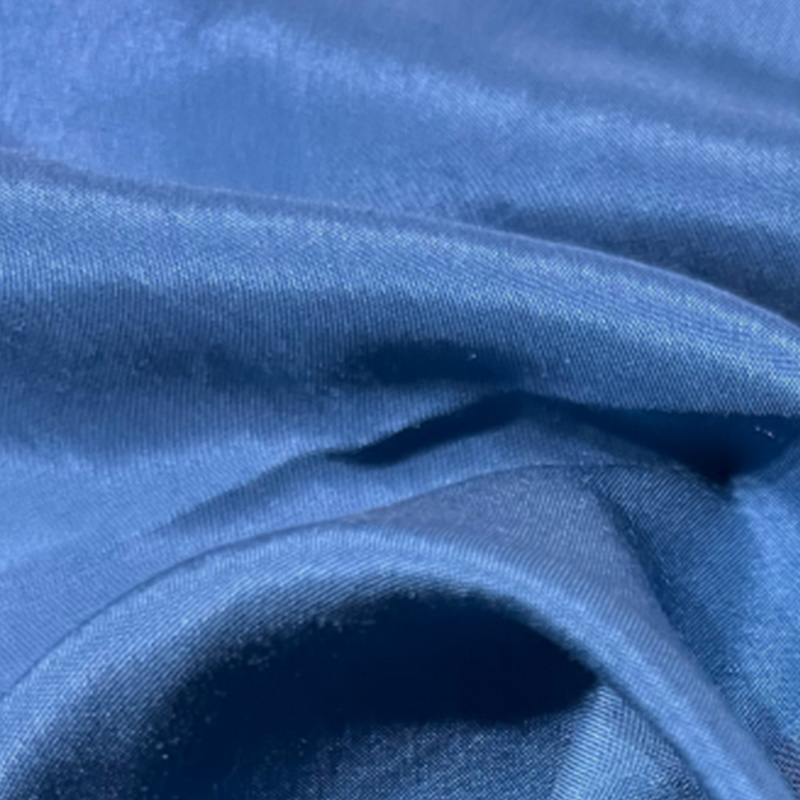
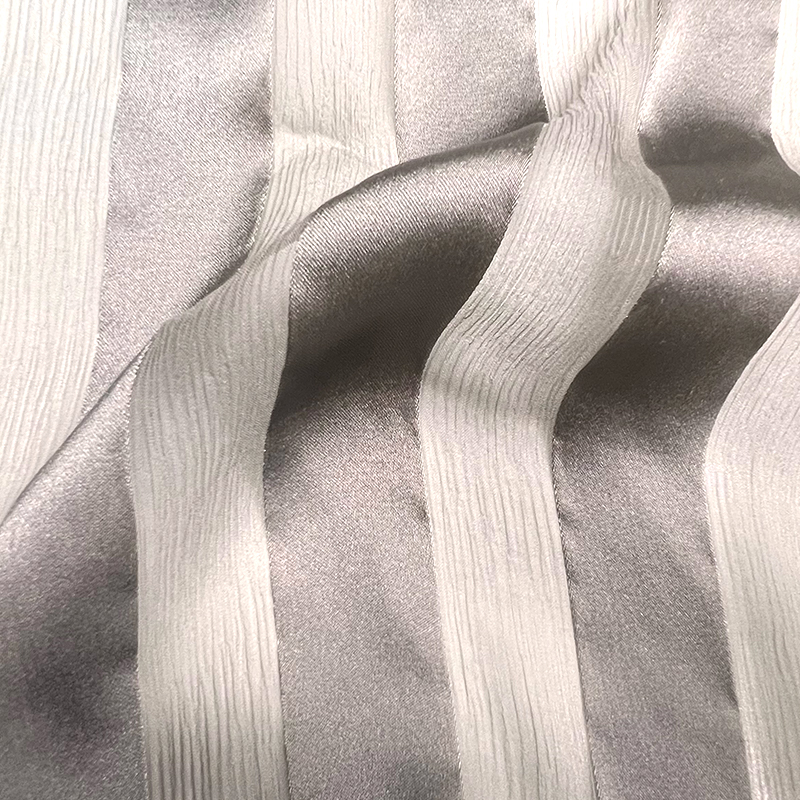
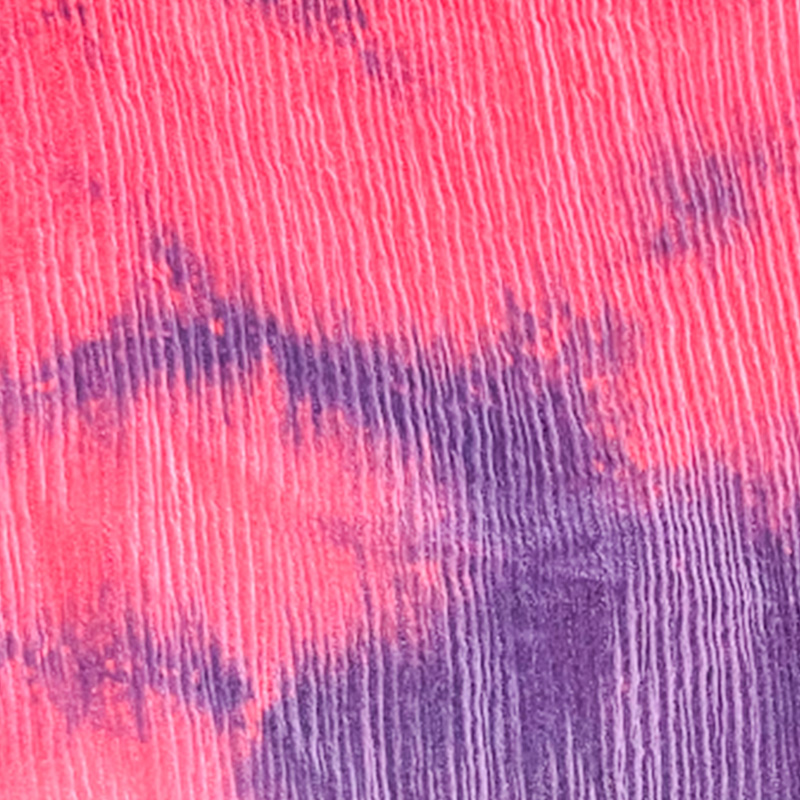
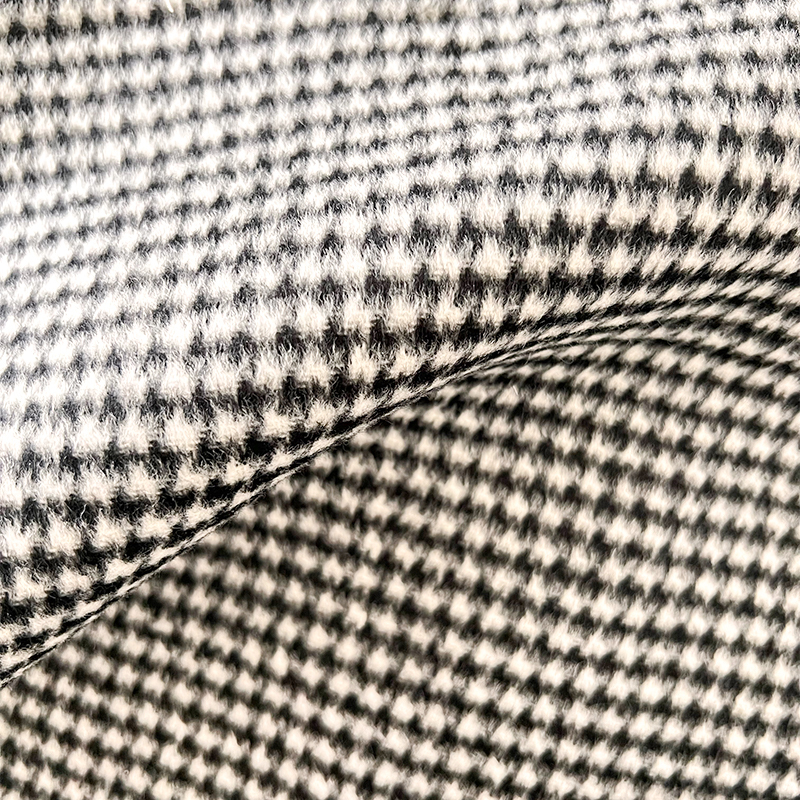
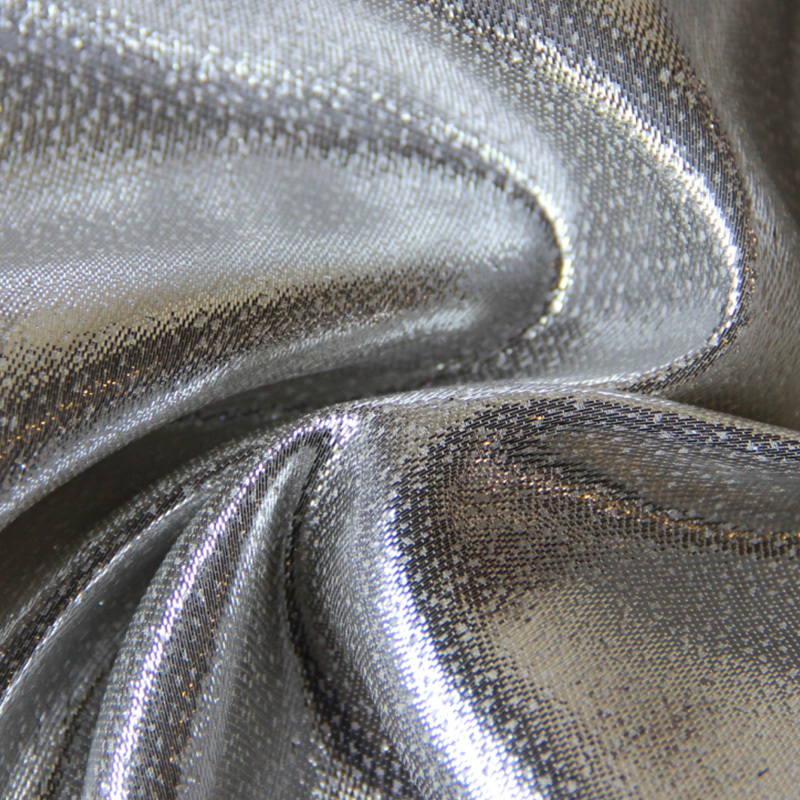
Texture is one of the most noticeable differences between Noil silk and other silk types such as mulberry silk, tussah silk, and charmeuse silk. Noil silk has a slightly rougher and nubby feel, giving it a natural, organic appearance. In contrast, mulberry and charmeuse silks are smooth, lustrous, and glossy, which creates a luxurious drape and sheen.
Advantages of Noil Silk Texture
- Provides a casual, textured look that suits layered or rustic designs.
- Reduces the slippery feel commonly associated with smooth silk, making sewing and handling easier.
- Adds visual interest through subtle irregularities and natural fiber variations.
Comparison with Smooth Silk Variants
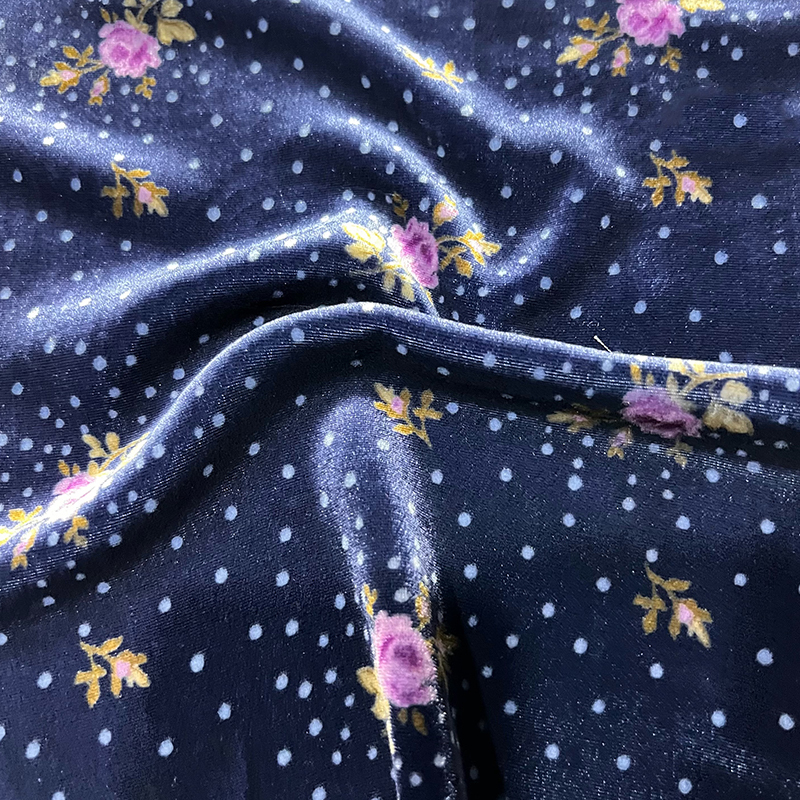
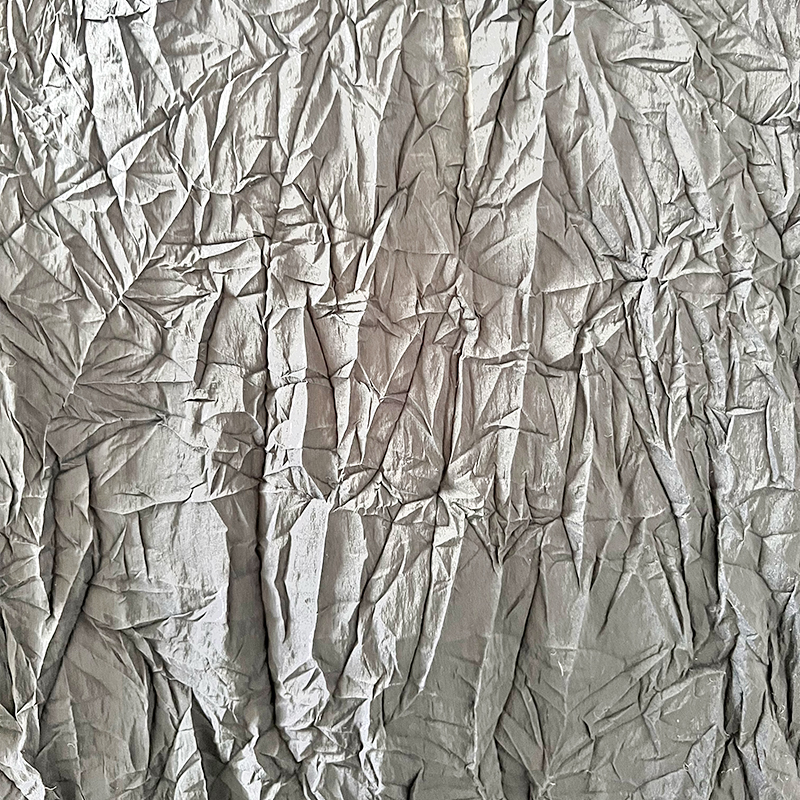
Mulberry silk and charmeuse silk are prized for their consistent smoothness and reflective sheen. These fabrics are ideal for formal wear, evening gowns, and high-end home textiles. Tussah silk, a wild silk variant, has a coarser texture than mulberry silk but is still smoother than Noil silk. Designers often choose smooth silks when a glossy, elegant finish is desired, whereas Noil silk is preferred for textured, relaxed, or bohemian styles.
Durability Comparison Among Silk Types
Durability is another key factor when selecting silk fabrics. Noil silk, made from shorter fibers, is less strong than long-filament mulberry silk but still offers reasonable durability for casual garments and decorative textiles. Tussah silk is naturally more resilient due to its thicker fiber structure, while charmeuse silk, despite its luxurious look, can be prone to snagging and wear over time.
Durability Advantages of Noil Silk
- Resists wrinkling and holds shape well in casual garments.
- Lower sheen reduces visible signs of wear and tear compared to glossy silk.
- Suitable for everyday wear, accessories, and home textiles that require moderate strength.
Comparison Table of Silk Variants
| Silk Type | Texture | Durability | Typical Applications |
| Noil Silk | Textured, matte, nubby | Moderate, suitable for casual wear | Casual apparel, scarves, home décor |
| Mulberry Silk | Smooth, glossy, uniform | High, long-lasting | Evening gowns, luxury apparel, fine bedding |
| Tussah Silk | Coarser than mulberry, slightly textured | High, naturally resilient | Outerwear, casual dresses, accessories |
| Charmeuse Silk | Smooth, lustrous, glossy | Moderate, prone to snagging | Formal wear, lingerie, high-end bedding |
Conclusion: Choosing the Right Silk for Your Needs
Noil silk offers a unique combination of texture, matte finish, and moderate durability, making it suitable for casual garments, accessories, and home décor. Smooth silks such as mulberry and charmeuse provide luxury, luster, and durability for formal and high-end applications, while tussah silk offers natural resilience with a slightly coarser feel. Understanding the differences in texture and durability enables designers and consumers to select the most appropriate silk variant for their specific use, balancing aesthetics, comfort, and long-term performance.
 previous post