中文简体
中文简体 Français
 Deutsch
 italiano
Tussah Silk Fabric: The Complete Guide to the Luxurious Wild Silk
Content
- 1 Introduction: The Allure of Wild Silk
- 2 What is Tussah Silk? Definition and Origins
- 3 Historical and Cultural Significance
- 4 Production Process: From Forest Cocoon to Luxurious Fabric
- 5 Properties and Characteristics of Tussah Silk
- 6 Applications and Uses of Tussah Silk Fabric
- 7 Care and Maintenance
- 8 Market Trends and Future Outlook
- 9 Conclusion
Introduction: The Allure of Wild Silk
When one thinks of silk, images of smooth, lustrous fabric from cultivated silkworms often come to mind. However, the world of silk is far more diverse. Tussah silk, also known as tasar or tussar silk, stands out as a remarkable and distinctive member of the silk family. Produced by wild silkworms in forested habitats, Tussah silk is celebrated for its natural golden hue, richly textured surface, and unique aesthetic charm. Unlike its more common mulberry silk counterpart, Tussah silk offers a beautiful earthy elegance that has been cherished in traditional garments for centuries and is now gaining renewed appreciation in global fashion and sustainable design circles. This guide delves into the origins, properties, production, and multifaceted uses of this captivating wild silk fabric.
What is Tussah Silk? Definition and Origins
Tussah silk is a type of wild silk fibre produced by silkworms of the Antheraea genus, most notably Antheraea mylitta and Antheraea proylei. These silkworms thrive in forest environments, feeding on a variety of trees like oak (Quercus), sal (Shorea robusta), and arjun (Terminalia arjuna), rather than being domesticated and fed exclusively on mulberry leaves.
This fundamental difference in diet and habitat is what classifies it as a "non-mulberry" or "vanya" (wild) silk. It results in a fibre with distinct characteristics:
-
Source: Wild forest silkworms (Antheraea species).
-
Primary Producers: India is the world's largest producer of tropical Tussah silk, with significant production also in China, Japan, and Sri Lanka.
-
Key Characteristic: Known for its natural beige-to-gold colour, coarser texture, and characteristic slubs (thick, irregular spots in the yarn).
Historical and Cultural Significance
The history of Tussah silk is deeply intertwined with forest-based sericulture, particularly in the Indian subcontinent. For generations, rural and tribal communities have been involved in harvesting Tussah cocoons from forest trees. Historical and textile studies classify Tussah among the major wild silks of India, alongside Eri and Muga, holding significant economic and cultural weight.
Statistical data indicates a steady, long-term growth in its importance, with Indian tasar raw silk production growing at an average of about 4.7% per year over several decades. This growth underscores its enduring value as a sustainable livelihood and a precious textile heritage.
Production Process: From Forest Cocoon to Luxurious Fabric
The journey of Tussah silk from cocoon to fabric involves several specialized steps that preserve its unique wild character:
-
Rearing & Harvesting: Silkworms are reared in semi-wild conditions on plantation or forest trees. Cocoons are carefully harvested from the host trees and sorted by size and quality.
-
Cooking & Degumming: Unlike mulberry silk, Tussah silk has a higher content of the gum-like protein sericin, which binds the filaments together. The cocoons are cooked in hot water, sometimes with mild chemicals, to soften and partially remove this sericin, a process that makes the filament easier to unwind.
-
Reeling & Spinning: The continuous filament is reeled from the cocoon. Due to the nature of the wild cocoon and the degumming process, the filament is often shorter. Shorter fibres and waste are spun into yarn, which contributes to the fabric's characteristic textured appearance. Research shows that wet-reeling techniques produce Tussah yarn with better strength and cohesion.
-
Weaving & Finishing: The yarn is then woven, often on handlooms, into fabric. Finishing processes are designed to enhance its natural handle and subtle sheen while maintaining its prized texture.
Properties and Characteristics of Tussah Silk
Tussah silk's appeal lies in a unique combination of physical and chemical properties that distinguish it from other silks.
Physical Properties
-
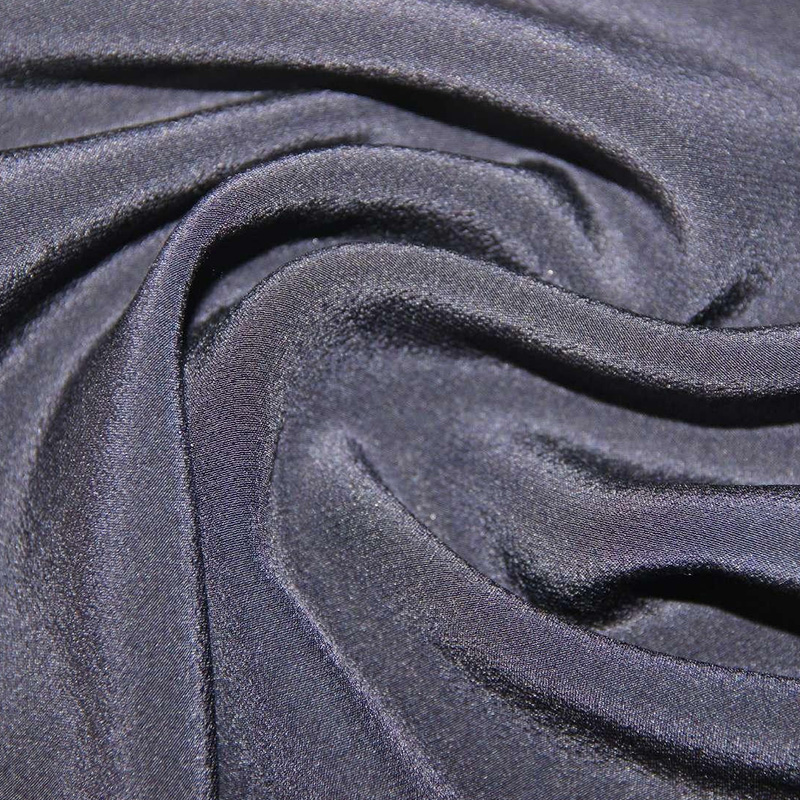
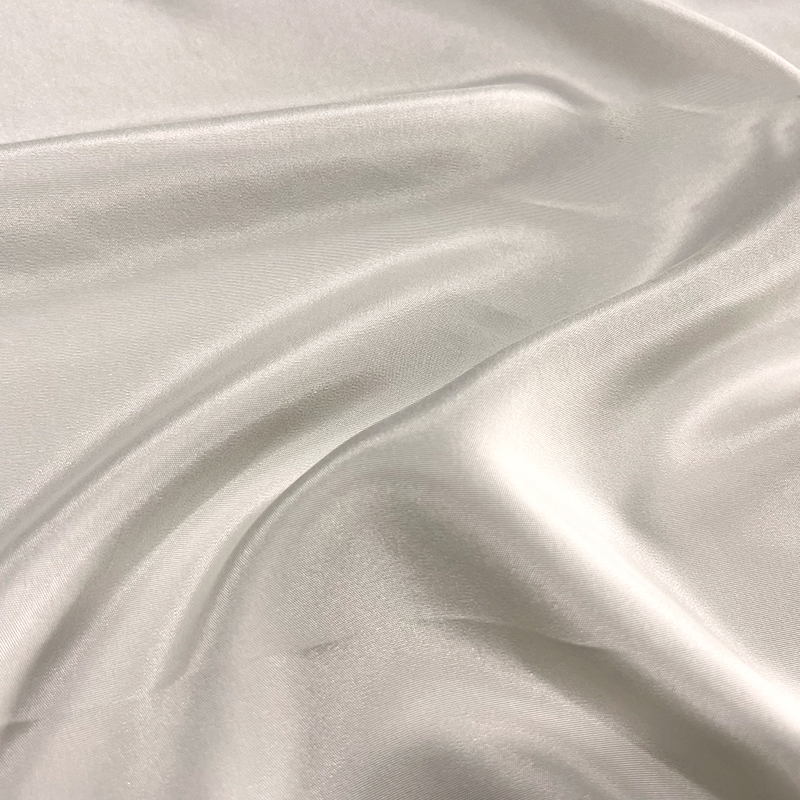
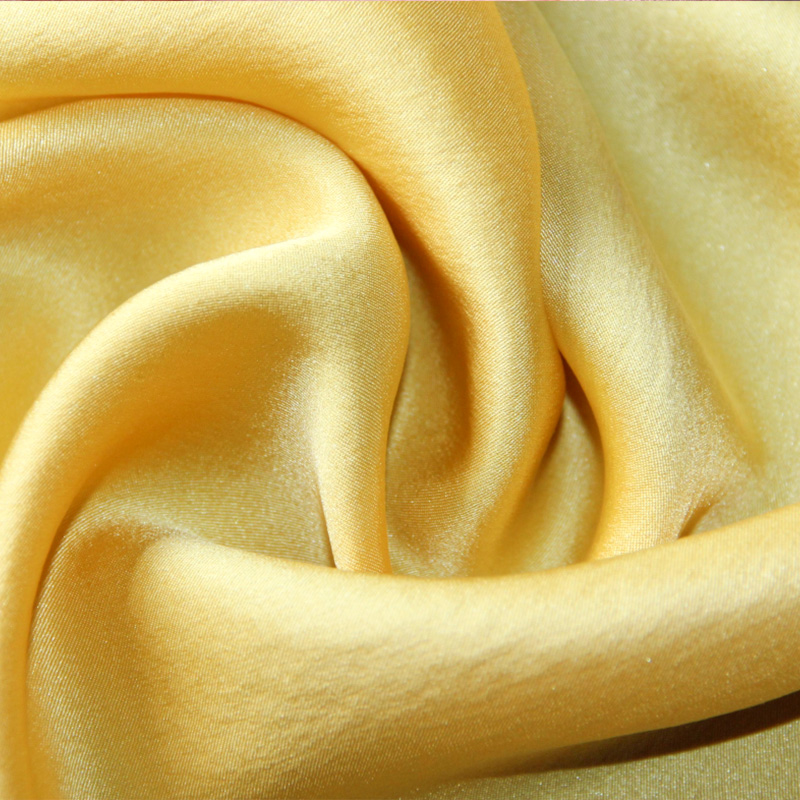
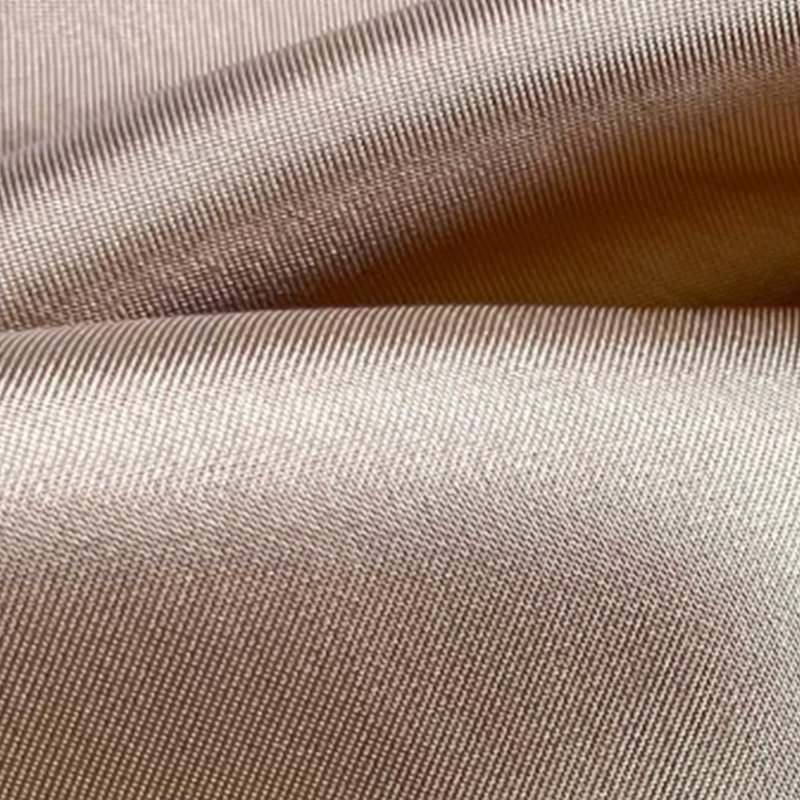
Appearance & Texture: Its most defining features are its natural golden colour and coarse, textured feel with visible slubs, offering a rustic, organic look compared to the smoothness of mulberry silk.
-
Strength & Durability: Tussah is a strong natural fibre, though its tenacity is generally slightly lower than that of mulberry silk. Its inherent strength makes it durable for garments.
-
Thermal & Comfort Properties: Like other silks, it has good moisture regain and thermoregulation, often described as providing comfort in both warm and cool weather.
-
Elasticity: Studies on blended yarns show that Tussah's elastic performance differs from mulberry silk, contributing to the specific drape and recovery of fabrics that contain it.
Chemical Composition
Tussah silk shares the basic protein structure of all silks, composed primarily of fibroin (structural core) and sericin (gum coating). However, microstructural differences exist. Scientific studies using techniques like X-ray diffraction and thermal analysis show that wild silk films, including those from Tussah, can exhibit higher thermal stability and slightly different crystallinity profiles compared to mulberry silk films. This robust structure underpins its durability.
Comparison: Tussah Silk vs. Mulberry Silk
| Feature | Tussah (Wild) Silk | Mulberry (Cultivated) Silk |
|---|---|---|
| Source | Wild Antheraea silkworms | Domesticated Bombyx mori silkworms |
| Diet | Oak, Sal, Arjun leaves | Exclusively mulberry leaves |
| Colour | Natural beige, brown, gold | Naturally white or off-white |
| Texture | Coarse, dry handle, slubbed | Exceptionally smooth, soft, uniform |
| Lustre | Subdued, earthy sheen | High, brilliant shine |
| Filament | Often shorter, more textured | Long, continuous, and fine |
Applications and Uses of Tussah Silk Fabric
Tussah silk’s versatility allows it to be used across traditional and modern applications.
-
Fashion and Apparel: It is a beloved fabric for ethnic and traditional wear, especially in India for sarees, salwar suits, dupattas, and stoles. Its textured body provides an excellent base for hand embroidery, block printing, and painting. Globally, contemporary designers value it for blouses, jackets, kaftans, and scarves, where its organic texture adds depth and interest.
-
Home Furnishings: The fabric’s durability and aesthetic make it suitable for luxury curtains, cushion covers, wall hangings, and table linens, adding a touch of natural elegance to home decor.
-
Technical and Industrial Uses: Historically, its good insulation and resistance to acids have made it suitable for specialized uses like protective workwear and electrical insulation.
-
Innovative and Biomedical Applications: Following the broader trend of silk innovation, Tussah silk fibroin is being researched for potential in biomedical applications. Its properties make it a candidate for exploration in areas like tissue engineering and biodegradable functional materials, similar to advancements seen with other silk types.
Care and Maintenance
To preserve the beauty and longevity of Tussah silk garments:
-
Cleaning: Dry cleaning is often recommended, especially for structured garments or those with intricate work. Some plain Tussah fabrics may be hand-washed gently with a mild detergent in cold water.
-
Drying: Always air dry in the shade. Avoid wringing and direct sunlight, which can weaken fibres and fade the natural colour.
-
Ironing: Iron on a low or silk setting while the fabric is still slightly damp, or use a protective cloth. Avoid high heat.
-
Storage: Store in a cool, dry place, preferably wrapped in breathable cotton. Avoid plastic bags, which can trap moisture.
Market Trends and Future Outlook
The global silk market is experiencing growth, driven by demand for luxury, natural, and sustainable textiles. Within this landscape, non-mulberry silks like Tussah occupy a unique niche. They appeal to consumers seeking authenticity, textural character, and a connection to traditional craftsmanship.
The future of Tussah silk is likely to be shaped by:
-
Sustainable and Ethical Fashion: As a wild silk, its production can align with eco-friendly and forest-based livelihoods, attracting conscious consumers.
-
Product Diversification: Blending Tussah with other natural fibres (e.g., cotton, wool) for contemporary apparel and home textiles.
-
Technological Innovation: Research into improving reeling, weaving, and finishing techniques, as well as exploring its potential in high-value non-textile applications.
Conclusion
Tussah silk fabric is more than just a textile; it is a testament to nature’s variety and traditional human ingenuity. With its distinctive golden texture, inherent durability, and deep cultural roots, it offers a luxurious yet grounded alternative to conventional silks. Whether crafted into a timeless saree, a modern designer jacket, or an elegant home accessory, Tussah silk carries with it the untamed spirit of the forest, making each piece uniquely captivating. For the discerning buyer or designer, it represents a choice that celebrates natural beauty, artisan heritage, and sustainable style.
 previous post